

As a supplier of Strap Sealing Machines, one of the most frequently asked questions I encounter is whether our machines can seal different thicknesses of straps. This is a crucial concern for many businesses that deal with various packaging requirements. In this blog, I'll delve into the capabilities of our Strap Sealing Machines in handling different strap thicknesses, exploring the technology behind it, the benefits, and some practical considerations.
The Technology Behind Strap Sealing Machines
To understand whether a Strap Sealing Machine can seal different thicknesses of straps, we first need to look at how these machines work. Most Strap Sealing Machines use heat or friction to bond the straps together. Heat sealing involves melting the strap material at the joint and then pressing it together to form a strong seal. Friction sealing, on the other hand, generates heat through friction between the straps, which also causes the material to fuse.
Our Strap Sealing Machines are designed with advanced technology that allows for precise control of the sealing process. They are equipped with adjustable settings for temperature, pressure, and sealing time. These settings can be customized to accommodate different strap thicknesses and materials. For example, thicker straps generally require more heat and pressure to form a reliable seal, while thinner straps may need less.
Can Our Strap Sealing Machines Seal Different Thicknesses?
The short answer is yes. Our Strap Sealing Machines are highly versatile and can seal a wide range of strap thicknesses. Whether you're using thin straps for light packaging or thick straps for heavy-duty applications, our machines can handle the job.
We offer different models of Strap Sealing Machines, each with its own range of compatible strap thicknesses. Some of our entry-level models are suitable for straps ranging from 0.5mm to 1.5mm in thickness, which are commonly used for small to medium-sized packages. Our more advanced models, on the other hand, can seal straps up to 3mm or even thicker, making them ideal for large and heavy items.
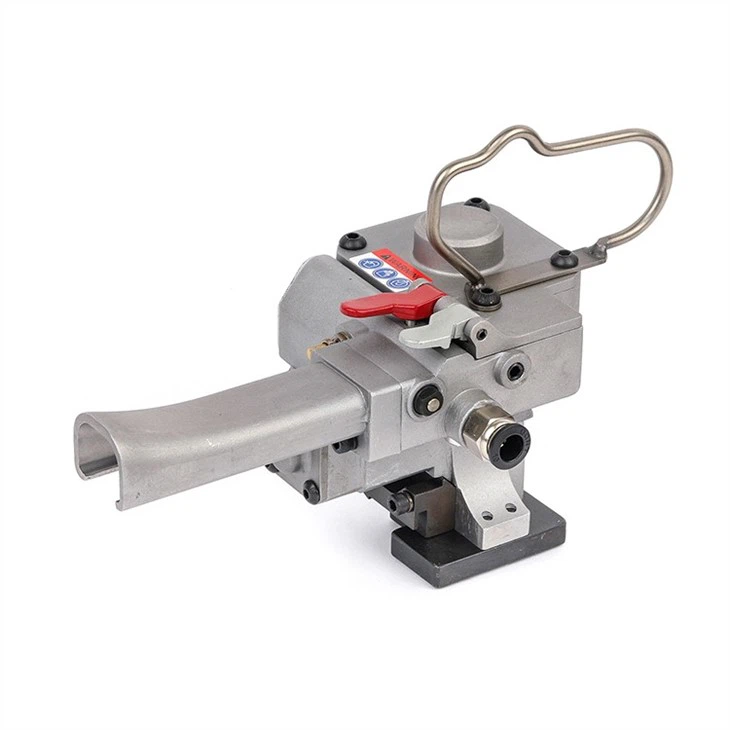

To ensure consistent and reliable sealing across different strap thicknesses, our machines are equipped with sensors and feedback systems. These systems monitor the sealing process in real-time and adjust the settings as needed to maintain optimal sealing conditions. For example, if the machine detects that a thicker strap is being used, it will automatically increase the heat and pressure to ensure a proper seal.
Benefits of Using a Strap Sealing Machine for Different Strap Thicknesses
There are several benefits to using a Strap Sealing Machine that can handle different strap thicknesses.
Cost-Effectiveness
By investing in a single machine that can seal multiple strap thicknesses, businesses can save money on equipment costs. Instead of purchasing separate machines for different strap sizes, they can use one machine for all their packaging needs. This not only reduces the initial investment but also lowers maintenance and operating costs in the long run.
Flexibility
A Strap Sealing Machine that can seal different strap thicknesses provides businesses with greater flexibility in their packaging operations. They can easily switch between different strap sizes depending on the requirements of each package, without having to worry about compatibility issues. This allows for more efficient and streamlined packaging processes.
Improved Productivity
With a Strap Sealing Machine that can handle different strap thicknesses, businesses can increase their productivity. They can quickly and easily seal packages of various sizes and weights, without having to spend time adjusting the machine for each different strap thickness. This results in faster packaging times and higher throughput.
Practical Considerations
While our Strap Sealing Machines are designed to seal different strap thicknesses, there are some practical considerations to keep in mind.
Strap Material
Different strap materials have different melting points and properties, which can affect the sealing process. For example, polypropylene (PP) straps are commonly used for light to medium packaging, while polyester (PET) straps are more suitable for heavy-duty applications. Our machines can be adjusted to accommodate different strap materials, but it's important to ensure that the settings are optimized for the specific material being used.
Sealing Quality
The quality of the seal can vary depending on the strap thickness and material. Thicker straps may require more time and pressure to form a strong seal, while thinner straps may be more prone to damage if the heat or pressure is too high. It's important to test the sealing process with different strap thicknesses and materials to ensure that the desired sealing quality is achieved.
Maintenance
Regular maintenance is essential to keep the Strap Sealing Machine in good working condition. This includes cleaning the machine, checking the seals and belts, and replacing any worn or damaged parts. Proper maintenance can help to ensure consistent sealing performance across different strap thicknesses.
Related Products
In addition to our Strap Sealing Machines, we also offer a range of other strapping tools and equipment. These products are designed to work together to provide a complete packaging solution.
- Banding Sealer: Our Banding Sealers are ideal for sealing bands around products or packages. They are available in different models and sizes to suit various applications.
- Pneumatic Strapping Tool: Our Pneumatic Strapping Tools are powered by compressed air and are suitable for high-volume strapping applications. They offer fast and efficient strapping with consistent tension.
- Strapping Tensioner and Sealer: Our Strapping Tensioners and Sealers are used to tension and seal straps. They are available in manual, battery-powered, and pneumatic models.
Conclusion
In conclusion, our Strap Sealing Machines are capable of sealing different thicknesses of straps, thanks to their advanced technology and adjustable settings. They offer a cost-effective, flexible, and productive solution for businesses with diverse packaging needs. However, it's important to consider the strap material, sealing quality, and maintenance requirements to ensure optimal performance.
If you're interested in learning more about our Strap Sealing Machines or other strapping tools, please don't hesitate to contact us. Our team of experts is ready to assist you in finding the right solution for your packaging needs.
References
- Packaging Machinery Manufacturers Institute (PMMI). (2023). Packaging Machinery Technology Trends.
- Smith, J. (2022). Strapping and Sealing Techniques for Industrial Packaging.