

Hey there! As a supplier of steel strapping sealers, I often get asked about the temperature range in which these handy tools can operate. It's a crucial question, especially for businesses that rely on steel strapping in various environments. So, let's dive right in and explore the ins and outs of the operating temperature range for steel strapping sealers.
First off, let's understand why temperature matters. Steel strapping sealers are mechanical or pneumatic devices used to secure steel straps around packages, pallets, or other items. They work by crimping or sealing the steel strap to create a tight and secure bond. The performance of these sealers can be significantly affected by temperature. Extreme cold can make the steel strap more brittle, increasing the risk of breakage during the sealing process. On the other hand, extreme heat can cause the sealer's components to expand, potentially leading to misalignment or reduced sealing force.
So, what's the ideal temperature range for a steel strapping sealer? Well, most manufacturers recommend operating these tools in a temperature range between 10°C (50°F) and 40°C (104°F). This range provides the best balance between the flexibility of the steel strap and the optimal performance of the sealer's mechanical and pneumatic components.
In colder temperatures, below 10°C (50°F), the steel strap becomes stiffer and more prone to cracking. This can make it difficult for the sealer to create a proper seal, and the strap may break under stress. To mitigate these issues, it's important to take some precautions. If you're working in a cold environment, you can pre - warm the steel strap slightly to increase its flexibility. You can also use a sealer with a higher sealing force to compensate for the increased stiffness of the strap.
On the flip side, when the temperature rises above 40°C (104°F), the sealer's components can start to expand. This can lead to problems such as misaligned jaws, reduced sealing force, and increased wear and tear on the tool. To deal with high - temperature conditions, it's a good idea to take breaks during extended use to allow the sealer to cool down. You can also keep the sealer in a shaded area when not in use and ensure proper ventilation around the tool.
Now, let me tell you a bit about the different types of steel strapping sealers we offer as a supplier. We have a wide range of Steel Straping Tool that are designed to meet various needs. Whether you're looking for a manual sealer for small - scale operations or a pneumatic sealer for high - volume production, we've got you covered.
Our CJ - 25A Industrial Steel Strapping Cutter is a great addition to any steel strapping setup. It's designed to cut through steel straps cleanly and efficiently, making the strapping process even smoother. And if you're in need of a more automated solution, our Pneumatic Steel Strapping Machine is a top - notch choice. It can handle high - speed strapping with ease, improving productivity and reducing labor costs.
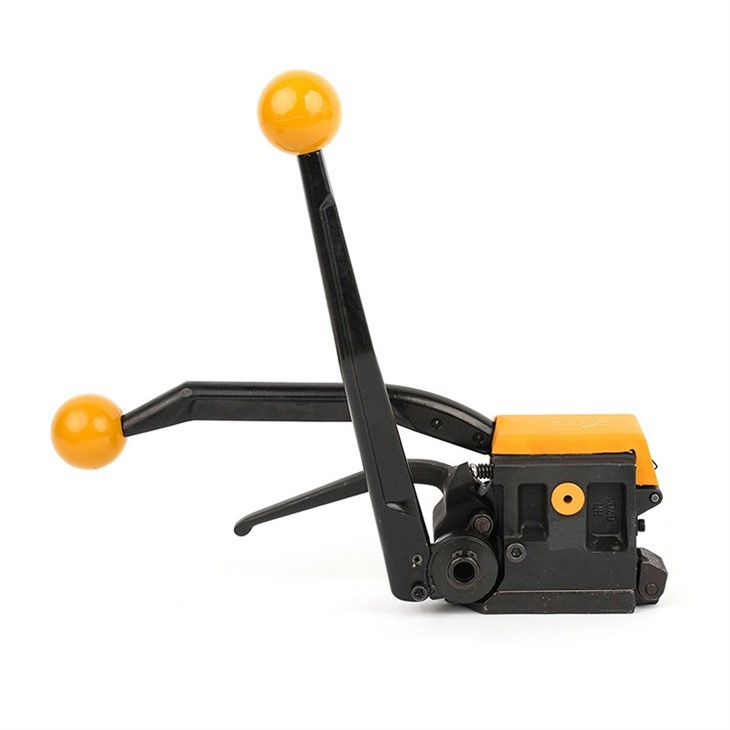
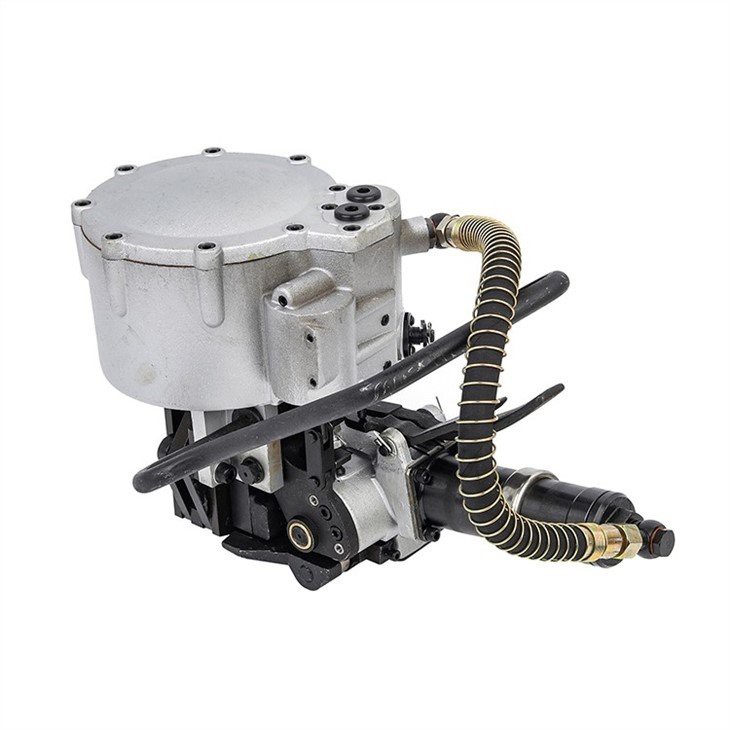
When choosing a steel strapping sealer, it's important to consider not only the temperature range but also other factors such as the type of steel strap you'll be using, the volume of strapping you need to do, and your budget. We're here to help you make the right choice. Our team of experts can provide you with detailed information about each product and offer personalized advice based on your specific requirements.
If you're in the market for a steel strapping sealer or any related tools, don't hesitate to reach out. We're always ready to have a chat about your needs and find the best solutions for your business. Whether you're a small local business or a large industrial enterprise, we can offer you high - quality products at competitive prices.
In conclusion, understanding the temperature range in which a steel strapping sealer can operate is essential for ensuring its proper performance and longevity. By following the recommended temperature guidelines and taking appropriate precautions in extreme conditions, you can get the most out of your steel strapping equipment. So, if you have any questions or are interested in purchasing our products, feel free to contact us. We look forward to working with you to meet all your steel strapping needs.
References:
- Industry standards and guidelines for steel strapping tools
- Manufacturer's product manuals and specifications