

Hey there! As a supplier of Banding Tensioner Tools, I've seen my fair share of issues that customers run into. In this blog, I'll be talking about the common problems with these tools and how you can deal with them.
1. Inconsistent Tensioning
One of the most common problems with banding tensioner tools is inconsistent tensioning. You might find that sometimes the strap is too loose, and other times it's way too tight. This can be a real headache, especially when you're trying to secure loads uniformly.
There are a few reasons why this might happen. First off, the tool might be worn out. Over time, the internal components of the tensioner can get damaged or worn down, which affects its ability to apply consistent tension. Another reason could be improper adjustment. If the tension setting on the tool isn't calibrated correctly, you're going to get inconsistent results.
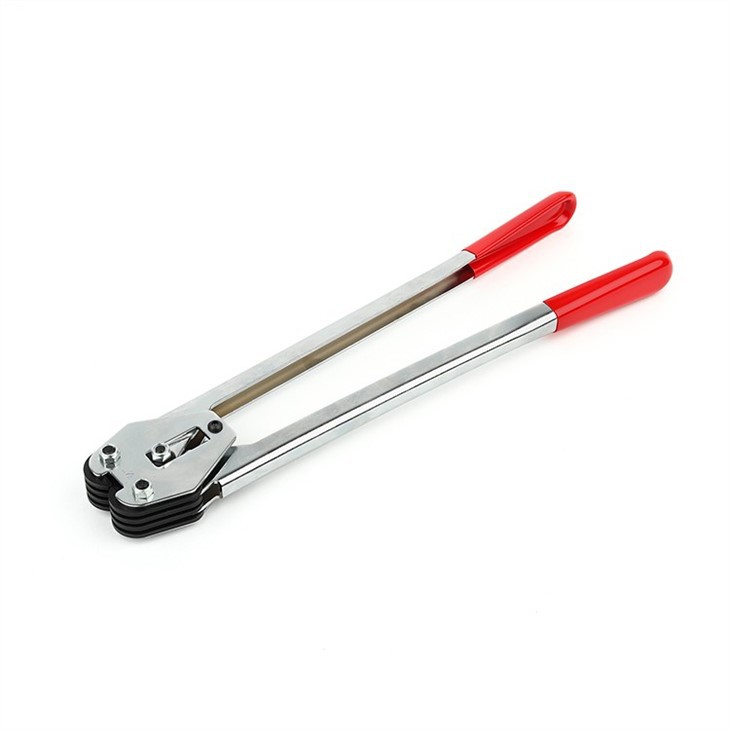
To fix this issue, you should regularly inspect your tool for signs of wear and tear. If you notice any damaged parts, replace them as soon as possible. Also, make sure to follow the manufacturer's instructions when adjusting the tension settings. You can check out our Plastic Strapping Tensioner for more information on proper use and maintenance.
2. Difficulty in Strapping Thick or Hard - to - Handle Straps
Some banding tensioner tools struggle when it comes to strapping thick or hard - to - handle straps. These straps require more force to tension properly, and if your tool isn't up to the task, you'll end up with a sub - par job.
The problem often lies in the power and design of the tool. If the motor or mechanical components of the tensioner aren't powerful enough, they won't be able to generate the necessary force to tension thick straps. Additionally, the tool's design might not be optimized for handling these types of straps, leading to jams or inefficiencies.
To overcome this problem, you might need to invest in a more powerful tool. Our Battery Powered Plastic Strapping Tool is designed to handle a wide range of strap thicknesses and materials, providing the power you need for even the toughest jobs.
3. Jamming Issues
Jamming is another common problem with banding tensioner tools. It can occur when the strap gets stuck inside the tool, preventing it from functioning properly. This can be caused by a variety of factors, such as dirt and debris in the tool, misaligned straps, or damaged components.
Dirt and debris can accumulate over time, especially if the tool is used in a dirty environment. This can clog the internal mechanisms of the tensioner, leading to jams. Misaligned straps can also cause problems, as they might not feed through the tool smoothly. And if there are any damaged components, such as a broken gear or a bent guide, it can disrupt the normal operation of the tool.
To prevent jamming, keep your tool clean. Regularly wipe it down and remove any dirt or debris. Make sure to align the strap properly before inserting it into the tool. If you suspect that there are damaged components, have them replaced right away. You can also refer to the user manual of our tools for detailed cleaning and maintenance instructions.
4. Poor Sealing
When using a banding tensioner tool, proper sealing is crucial to ensure that the strap stays in place. However, many users experience poor sealing issues. This can result in the strap coming loose over time, which defeats the purpose of using the tool in the first place.
The quality of the sealing can be affected by several factors. The temperature setting of the sealer might be incorrect. If it's too low, the seal won't be strong enough; if it's too high, it can damage the strap. The condition of the sealing elements, such as the heating element or the sealing jaws, also plays a role. Worn - out sealing elements won't be able to create a proper seal.
To improve sealing, make sure to set the temperature correctly according to the type of strap you're using. Check the sealing elements regularly for wear and tear and replace them if necessary. Our Banding Sealer is designed to provide reliable sealing, but proper maintenance is still key.
5. Battery Life Problems (for Battery - Powered Tools)
If you're using a battery - powered banding tensioner tool, battery life can be a major concern. You don't want to be in the middle of a job and have your tool run out of power.
There are a few reasons why battery life might be an issue. The battery itself could be old or damaged. Over time, batteries lose their ability to hold a charge. Another factor could be improper charging habits. If you don't charge the battery correctly, it can reduce its overall lifespan.
To extend the battery life of your tool, make sure to use a high - quality battery. Follow the manufacturer's charging instructions carefully. Don't overcharge or undercharge the battery. If you notice that the battery life is significantly reduced, it might be time to replace the battery.
6. Noise and Vibration
Some banding tensioner tools can be quite noisy and vibrate a lot during operation. This can be not only annoying but also a sign of underlying problems. Excessive noise and vibration can indicate that the tool is not balanced properly or that there are loose components.
A tool that is out of balance can cause uneven wear on the internal parts, leading to more serious problems down the line. Loose components can also affect the performance of the tool and increase the risk of damage.
To address this issue, check if the tool is properly assembled. Make sure all the components are tightened securely. If the noise and vibration persist, it might be a sign of a more serious problem, and you should have the tool inspected by a professional.
Conclusion
In conclusion, while banding tensioner tools are incredibly useful for securing loads, they can come with their fair share of problems. However, most of these issues can be easily prevented or fixed with proper maintenance, correct usage, and, if necessary, the right replacement parts.
As a supplier, we're committed to providing high - quality banding tensioner tools and the support you need to keep them running smoothly. If you're facing any of these problems or have any questions about our products, don't hesitate to reach out to us for more information and to discuss your procurement needs. We're here to help you find the best solutions for your strapping requirements.

References
- Manufacturer's manuals of banding tensioner tools
- Industry reports on strapping tool performance and maintenance