

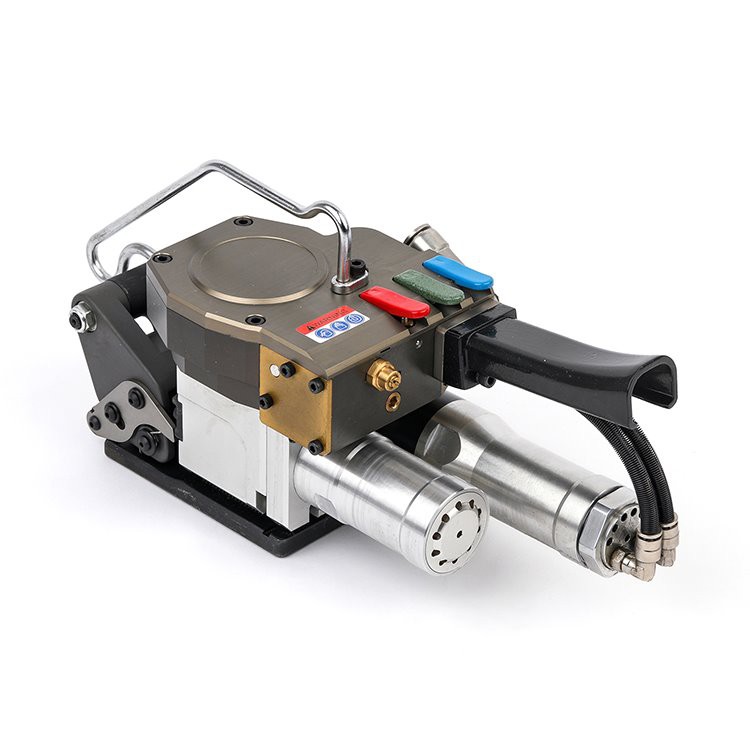
In the fields of logistics, steel processing, timber packaging, building materials production and manufacturing, pneumatic strapping tools have become necessary equipment to improve packaging efficiency and ensure transportation safety. However, a variety of pneumatic strapping tool models are available on the market, each with different strains, strap widths, and functional configurations. Inappropriate selection not only affects packaging quality, but also increases equipment maintenance costs.
As a professional pneumatic strapping tool supplier, we recommend that you make a comprehensive evaluation from the following six aspects and choose the equipment best suited to your own production needs.
1.Equipment selection based on Strapping Type
Pneumatic strapping tools usually require a specific type of binding.
Common strapping include:
PET Plastic Bundles
PP polypropylene Bundles
Polyester fiber Bundles
High-strength composite bundles
Different devices support different binding materials and specifications.
For example:
PET plastic strapping for heavy goods
PP strapping for light and medium cargo
Before selecting the model, make sure the device is fully compatible with the strapping used.
2.Weight Cargo Weight Tension Force
Tension force is one of the important performance indicators of pneumatic strapping tools.
In general:
Cargo Type | Recommended Tension Force
Light Packaging | 1000-2000N
Medium cargo | 2000-400N
Heavy Cargoes | 400N and above
For example:
Carton and light palletized goods can be selected for medium to low tension equipment.
Heavy products like steel coils, steel pipes and wood require high-pressure models.
Proper pull will ensure the safety of the packaging while preventing damage to the packing belt.
3. Model selected based on Strap Width
Different pneumatic strapping tools support different strap widths.
Common specifications include:
13mm
16mm
19mm
25mm
32mm
For example:
Small packages are usually bundled in 13-16mm.
Heavy industry packaging commonly used 19-32mm plastic-coated steel strapping.
Equipment must match the width of the belt to ensure effective tension and welding.
4. Consider Working Frequency and Production Efficiency
The volume of packaging directly affects the choice of equipment.
For:
Small and medium enterprises
Features:
Low packaging volume
Intermittent use
Standard pneumatic strapping tools are a good fit.
Large Factories
Features:
Long-term continuing operations
High intensity packaging requirements
Recommended Selection:
Industrial-scale model
High abrasion resistance structural design
High-power pneumatic system
This can improve the stability of the equipment and reduce the failure rate.
5. Pay attention to air source and operating environment
The work of Pneumatic strapping tools mainly depends on compressed air, so it is necessary to consider the gas source conditions in the field.
Key Confirmations:
Atmospheric pressure range
Gas source stability
Air compressor capacity
Air circuit configuration
Commonly used operational pressure:
0.5 MPa
0.6 MPa
0.7 MPa
Also consider:
High temperatures
a dusty environment
Humid environment
Outdoor operating environment
Ensure that equipment can be adapted to actual working conditions.
6.Choose reliable suppliers and after-sales service
Pneumatic strapping tools are long-used equipment, so the technical support capabilities of suppliers are also important.
Recommended considerations:
Manufacturing experience
Product quality certification
Spare parts supply capacity
Technical training services
Aftermarket response time
Quality suppliers can not only provide reliable products, but also assist customers with equipment selection, commissioning and follow-up maintenance.
Common Myths in Type Selection of Pneumatic Strapping Tool Selection
Many businesses are prone to the following mistakes when shopping:
Focus on price rather than quality
Choose ones with too much tension or too low
Ignore belt compatibility
Regardless of future capacity growth
Ignoring after-sales service guarantees.
The right choice should be based on actual application needs, rather than simply pursuing low-cost procurement.
Conclusion:
Choosing the right pneumatic strapping tool requires a combination of factors, including strap type, tension requirements, packing width specifications, production efficiency, air supply conditions, supplier capabilities, etc.. Scientific and rational selection can not only improve packaging quality and efficiency, but also reduce equipment failure rate and operating cost. Choosing high a high-performance, reliable, and durable pneumatic strapping tool essential to improve overall production efficiency for enterprises that require long-term, stable packing packaging operations.
Frequently Asked Questions
Q1: What type of binding is suitable for pneumatic strapping tools?
A: Mainly suitable for PET strapping, PP packing and some high strength polyester packing. Specific applicability depends on the type of equipment.
Q2: The higher tension, the better?
Answer: Not necessarily. Tension shall match the weight of the goods and the specification of the bundles. Too much tension can damage the strapping.