

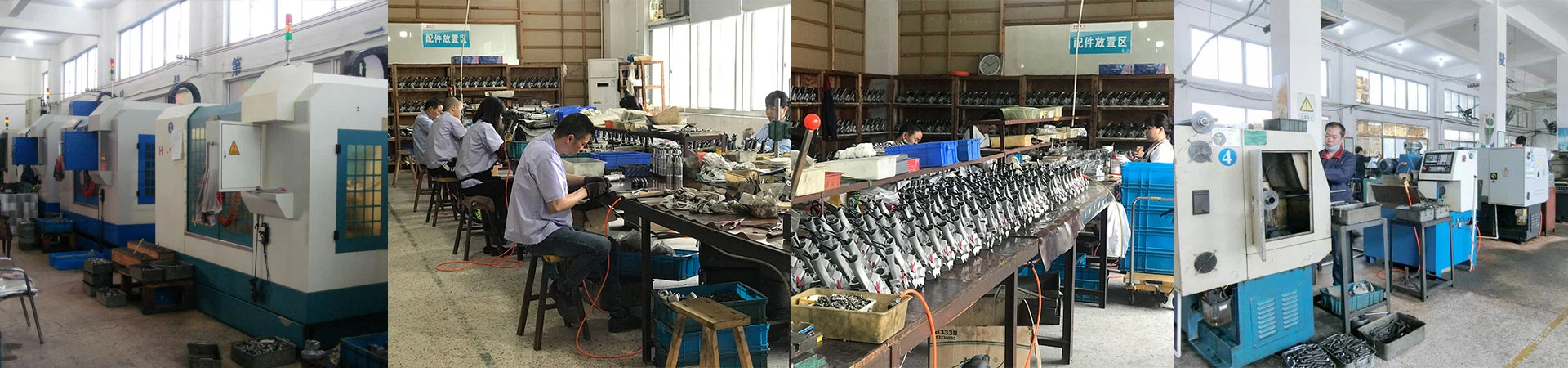
In the packaging industry, plastic strapping machines play an indispensable role. It uses its high efficiency and convenience to firmly bundle various items together, thus providing necessary guarantees for the transportation and storage of products. However, if the problem of loose bundling occurs frequently, it may have a variety of adverse effects on production activities. This situation may not only cause the items to scatter during transportation, thereby reducing work efficiency, but also lead to a decline in packaging quality, further damaging the image of the company. Therefore, effectively solving the problem of loose bundling of plastic strapping machines is of great significance to improving production efficiency, ensuring the quality of packaging, and further enhancing the competitiveness of enterprises.
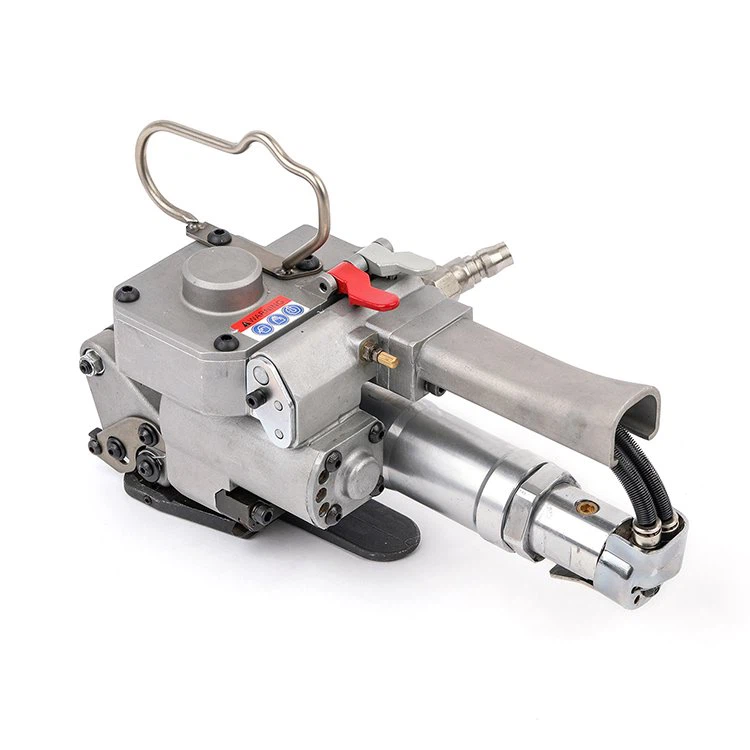
Tension adjustment device and bundling tightness
Working principle of tension adjustment device
1. Analysis of the structure of tension adjustment device: The tension adjustment device of the plastic strapping machine is usually composed of multiple components such as tension controller, tension arm, spring, etc. As a key component, the tension controller is mainly responsible for receiving and processing the signal sent by the sensor to accurately control the amplitude of tension. The tension arm is connected to the strapping belt and the tension controller, and its function is to control the tension by adjusting the position of the strapping belt. The spring provides the necessary elasticity for the adjustment of tension, thereby ensuring that the tension remains stable.
2. Describes how to adjust the tension of the strapping tape: When the strapping tape passes through the tension adjustment device, the tension controller will change the pressure applied by the spring to the strapping tape by adjusting the position of the tension arm according to the predetermined tension value, thereby achieving effective adjustment of the strapping tape tension. For example, when the tension needs to be increased, the tension controller will guide the tension arm to move closer to the strapping tape, thereby increasing the pressure applied by the spring to the strapping tape and further increasing the tension of the strapping tape.
Effect of tension on tightness of strapping
1. Too low tension is the main reason for loose strapping: If the tension is too small, the strapping tape cannot generate enough tension to tightly bind the item after passing around the item. During the transportation or handling of the item, the strapping tape may become loose due to the shaking of the item, which may eventually lead to insufficient tightness of the strapping. For example, for those items with heavy weight or irregular shapes, if the tension of the strapping tape is insufficient, it will be very difficult to maintain its stability during transportation.
2. Excessive tension can cause other problems: Although the right amount of tension can ensure the tightness of the bundle, too much tension can also cause problems. From one perspective, this may cause the strapping to be overstretched, shortening its service life and possibly breaking during bundling. From another perspective, too much tension may cause damage to the items being tied, especially those that are fragile or easily scratched.
How to adjust the tension correctly
1. Regarding different models of plastic strapping machines, there may be differences in the tension adjustment area. There is usually a conspicuous knob or button on the side or back of the machine to adjust its tension. The tension of some advanced strapping machines can be precisely adjusted through a specific menu on its operating panel.
2. Detailed steps and precautions for adjusting tension: When adjusting the tension, you first need to preliminarily determine an appropriate tension based on the weight, shape and material of the items being tied. Next, turn on the power of the strapping machine, put the strapping tape in it, and then perform several trial strappings. When conducting trial bundling, carefully observe the tightness of the strapping tape. If the strapping is not tight enough, gradually increase its tension; if the strapping tape is observed to be too tight or shows signs of breaking, the tension should be appropriately reduced. During the adjustment process, we need to ensure that the adjustment amplitude is not too large each time to prevent excessive tension adjustment. At the same time, during the tension adjustment process, it is necessary to ensure that the machine is completely stopped to prevent any emergencies.
3. Method of using auxiliary tools to accurately adjust the tension: In order to achieve more accurate tension adjustment, a tension tester is a feasible tool. A tension tester is installed on the path of the strapping tape to determine the actual tension value. Based on the measurement data and referring to the required tension criteria, the tension adjustment equipment is finely adjusted. This technology can adjust the tension more accurately, especially in application scenarios that require a high degree of tightness.
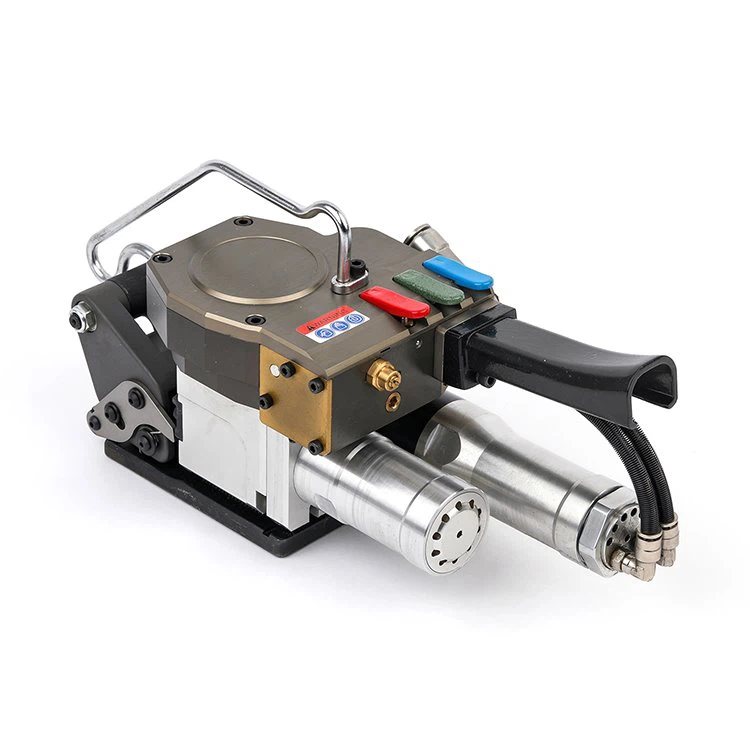
The quality of strapping and loose strapping
The impact of strapping quality on strapping effect
1. The tightness of strapping is affected by material differences: For example, polypropylene (PP) and polyester (PET) are common strapping materials. PP strapping is relatively cheap, but its tensile strength is not very strong, so it is more suitable for handling lighter items. When using poor quality PP strapping to tie heavy items, it may not be able to withstand enough tension, resulting in insufficient tightness. PET strapping is particularly suitable for strapping heavy items due to its excellent tensile strength and toughness. However, if the material of PET strapping is not pure, its performance will also be affected, which may result in insufficient tightness of the strapping.
2. Uneven thickness and width are the reasons for loose strapping: The uniform thickness and width of the strapping play a key role in the tightness of the strapping. If the thickness of the strapping is uneven, the thinner part may break due to force during the strapping process, or fail to provide sufficient tension, resulting in insufficient tightness of the strapping. If the width of the strapping tape is uneven, it may deviate during the conveying and winding process, which will not only affect the stability of the strapping, but may also eventually lead to insufficient tightness of the strapping.
How to choose the right strapping tape
1. When choosing the material of the strapping tape, it should be determined according to the characteristics of the strapping items: for lightweight items, such as cartons or foam, you can consider using more economical PP strapping tape. For heavier items, such as metal and wood, it is recommended to choose PET strapping tape with higher tensile strength. For those items that need to be moisture-proof and corrosion-resistant, you also need to consider choosing strapping tape materials with specific characteristics.
2. About how to accurately measure and match the thickness and width of the strapping tape: You can use a micrometer to measure the thickness of the strapping tape, and make multiple measurements in different areas of the strapping tape, and then take the average value to ensure the accuracy of the measurement. The width can be measured by a caliper. In the process of selecting strapping tape, you need to choose the appropriate thickness and width according to the specific specifications of the plastic strapping machine. Usually, the thickness and width of the applicable strapping tape will be clearly marked in the instructions for use of the strapping machine, so these ranges should be strictly followed when selecting.
3. Methods for evaluating the tensile strength and toughness of strapping tape: The tensile strength of strapping tape can be evaluated by conducting a simple tensile test. Select a strapping tape, fix both ends, and then slowly apply tension with your hands or tools to observe the maximum tension that the strapping tape can withstand before breaking. In terms of toughness, the strapping tape can be bent several times to observe whether it is easy to crack or break. High-quality strapping tape should have excellent tensile capacity and excellent toughness.
Tips for identifying inferior strapping tape
1. Evaluate the quality of the product by observing its appearance: High-quality strapping tape should have a smooth surface, uniform color, and should not have obvious bubbles, impurities or scratches. Inferior strapping tape may have a rough surface, obvious defects, and uneven and dull colors. In addition, by observing the edges of the strapping tape, we can find that its edges are neat and smooth, which indicates that the production process is quite excellent and its quality is quite reliable.
2. To judge the quality of the strapping tape, you can do a simple test: for example, perform a tensile test, pull the strapping tape by hand, feel its tensile strength, if it is easily broken, the quality will be relatively poor. In addition, you can perform multiple bending tests, bend the strapping tape several times, if there is a break or obvious crease, this indicates that its toughness is insufficient and the quality is poor.
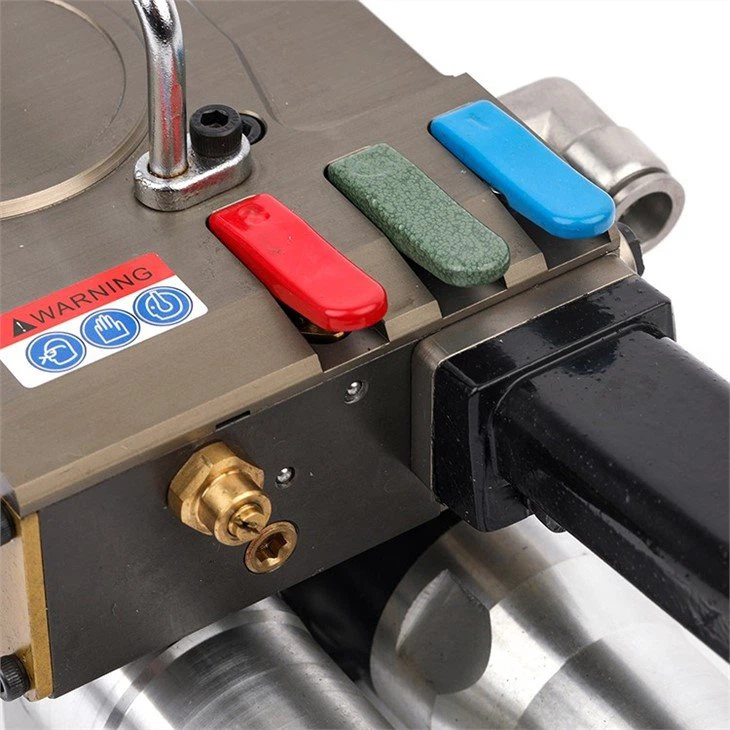
Roller wear and loose strapping
The role of rollers in plastic strapping machines
1. About the working principle of conveying strapping tape: The roller is the core part of the plastic strapping machine for conveying strapping tape. When the machine starts, the motor drives the roller to rotate, and the strapping tape is pulled out of the reel through the friction between the roller and the strapping tape, and then transmitted to the strapping position according to the predetermined path.
2. In the process of conveying the strapping tape, the roller not only maintains the tension of the strapping tape, but also plays a certain role in maintaining the tension of the strapping tape. Appropriate roller pressure can ensure that the strapping tape maintains appropriate tension during the conveying process, thereby providing a stable environment for subsequent strapping operations. If the pressure distribution of the roller is uneven or insufficient, this may cause the tension of the strapping to become unstable, which will have an adverse effect on the tightness of the strapping.
Reasons for loose strapping due to roller wear
1. After the roller is worn, the change in its friction will affect the strapping: As the use time increases, the surface of the roller will gradually wear out. The worn roller surface will become rougher or smoother, which will affect the friction between it and the strapping. If the friction is reduced, the roller cannot effectively push the strapping forward, which will cause the strapping to be not smooth and unable to provide sufficient tension during strapping, resulting in insufficient tightness of the strapping.
2. How the deformation of the roller affects the normal transmission of the strapping: When the roller is under pressure for a long time or is subjected to external impact, it may deform. The deformed roller no longer presents a regular circle, which may cause the transmission speed of the strapping to be uneven when it rotates, and may even cause it to jump. This situation may interfere with the normal transmission process of the strapping, making the strapping position less precise, and finally may cause the strapping to be less compact
Methods for dealing with roller wear
1. Regularly checking the wear of the roller is key: Regularly checking the roller is an important measure to prevent loose bundling. During the inspection, we mainly focus on the wear condition of the roller surface, including whether there are obvious signs of wear, dents or shedding. When you rotate the roller by hand, you can check whether it rotates smoothly and whether there are any jams or unusual sounds. We can also measure the diameter of the roller and compare it with its original size to determine whether its size has changed due to wear.
2. For lightly worn rollers, the repair method is to gently polish its surface with sandpaper to remove the rough wear on the surface, thereby restoring its surface smoothness and friction. After polishing, wipe the roller with a clean cloth to remove debris on it, and apply an appropriate amount of lubricating oil, which can reduce the friction between the roller and the strapping strap, thereby extending the service life of the roller.
3. In the case of severe wear of the roller, the replacement steps and precautions include: If the roller is too worn to be repaired for continued use, then replacement becomes necessary. First, you need to turn off the power of the strapping machine and ensure that the machine is always in safe working condition. Next, you need to use appropriate tools, such as a wrench or screwdriver, to remove the screws or nuts that fix the roller and remove the worn roller. During the installation of the new roller, be sure to pay attention to the placement direction and specific position of the roller to ensure that it can accurately match other components. After the installation is completed, start the trial run program, carefully check the rotation status of the roller and the transmission efficiency of the strapping belt, and make further adjustments if necessary.
Heating system failure and loose strapping
Working mechanism of heating system
1. The heating system of the plastic strapping machine is mainly composed of a heating plate, a temperature controller and related electronic circuits. These components work together to form the key part of the machine. The heating plate is a component that directly generates heat energy. When current flows through it, the heating plate will heat up, causing the two ends of the strapping tape to be melted by heat. The main responsibility of the thermostat is to monitor and manage the temperature of the heating plate to ensure that it operates normally within the appropriate temperature range. Once the temperature rises to the preset value, the temperature controller will disconnect the heating circuit; when the temperature drops to a certain level, the circuit will be reconnected to ensure that the heating plate can continue to heat.
2. In the process of strapping welding, the heating link plays a vital role. It is a decisive step to achieve the success of strapping welding. Only when the two ends of the strapping tape melt to a suitable level at high temperature can they be tightly combined under the influence of pressure to form a compact bundling effect. If the heating is insufficient, the strapping tape cannot be completely welded, which may result in loose strapping; overheating may cause carbonization and embrittlement of the strapping tape, which will also have a negative impact on the strapping effect.
Reasons for loose strapping caused by heating system failure
1. Damage to the heating plate leads to ineffective welding of the strapping tape: During long-term use, the heating plate may be damaged due to factors such as aging, overload or short circuit. The damaged heating plate cannot be heated normally, which causes the two ends of the strapping tape to be unable to be heated and melted, and thus cannot be welded, making the strapping not tight enough.
2. Abnormal temperature control may cause insufficient or excessive heating: When there is a problem with the temperature controller, the temperature of the heating plate may not be accurately controlled. If the set temperature of the temperature controller is too low or the temperature sensing component fails, this may result in insufficient heating and unstable welding of the strapping tape; relatively speaking, if the temperature controller fails, causing the heating plate to continue to heat up, the excessive temperature may cause the strapping tape to melt excessively, thereby losing its original strength, which will also make the strapping less tight.
Methods for troubleshooting heating system problems
1. To check if the heater is damaged, first turn off the power of the strapping machine and wait patiently for the heater to cool down. Next, use a multimeter to measure the resistance value of the heater. Under normal circumstances, the heater should have a certain resistance value. If the measurement results show that the resistance value is infinite or has a large difference from the nominal value, then this means that the heater may be damaged. In addition, we can directly observe the surface of the heater to see if there are obvious signs such as breakage and burning.
2. About the operation steps of thermostat accuracy detection: When testing the thermostat, you need to use a thermometer to assist. Place the thermometer close to the heater, then start the heating system and check whether the temperature displayed by the thermometer matches the temperature set by the thermostat. If the deviation between the two is too large, then this may mean that there is a problem with the thermostat. You may consider recalibrating the thermostat, but if the problem is still unresolved, then the thermostat needs to be replaced.
3. The key steps to diagnose heating circuit failure include: carefully check whether the heating circuit is damaged, short-circuited or in poor contact. Please carefully observe the outer skin of the line to see if there are signs of damage or aging, and whether the connection point of the line is stable. For those circuits equipped with plugs, you need to make sure that the plug is fully connected. You can use a test pen to detect whether the line is powered on. If any problems are detected in the line, it should be repaired or replaced immediately.
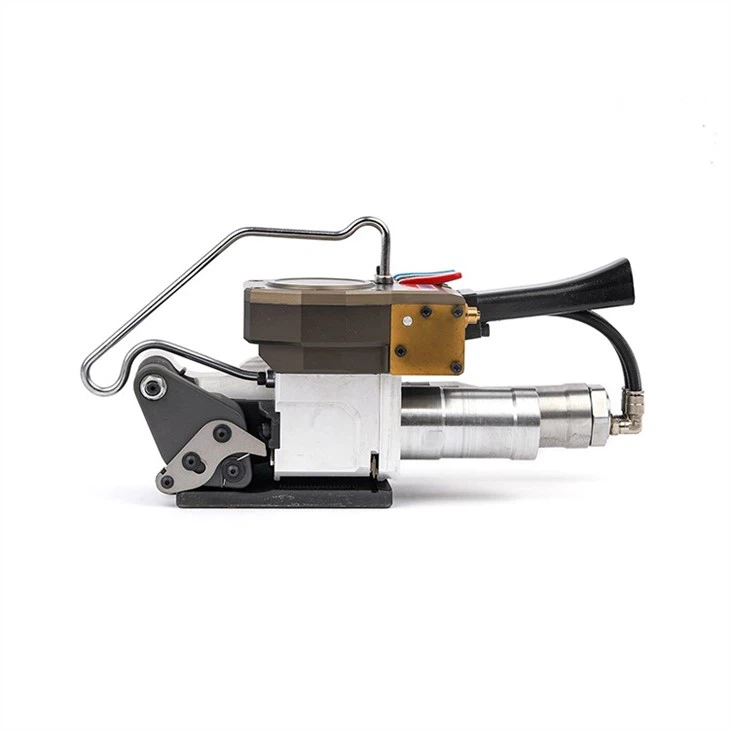
Operation process and loose bundling
The importance of correct operation of plastic strapping machine
1. In order to ensure the quality of bundling, standardized operation is crucial: a correct operation process is the key to ensure the normal operation and bundling quality of plastic strapping machine. Through standardized operation process, it can be ensured that all parts can work together, so that the strapping belt can be conveyed, wound and welded according to the predetermined path, and finally a tight bundling is achieved. If the operation method is not appropriate, it may cause a series of problems such as unsmooth strapping and inaccurate bundling angles, which will directly have an adverse effect on the tightness of the bundling.
2. Common problems that may lead to loose bundling due to improper operation: For example, if the length of the feeding belt is not properly controlled or the feeding belt is too short, the strapping belt cannot completely surround the item, resulting in insufficient bundling; if the feeding belt is too long, too much strapping belt may be left after the bundling is completed, which will not only damage its appearance, but also cause the strapping belt to become loose. For example, if the strapping angle is not set properly, this will cause the strapping belt to be not evenly stressed, which may lead to loose bundling. In addition, if the preheating time of the equipment is ignored and the bundling is performed when the heating system temperature does not meet the standard, this may cause the welding of the strapping belt to be not stable enough, resulting in the problem of loose bundling.
Correct operation steps of plastic strapping machine
1. Before the equipment is officially started, the first task is to check whether the appearance of the strapping machine is damaged and whether the various parts are firmly installed. Next, it is necessary to confirm whether the power connection is normal and check whether the voltage meets the standard of the equipment. Then, fix the appropriate strapping belt on the reel and ensure that one end of the strapping belt passes through the feeding device until it reaches the predetermined bundling location. At the same time, the relevant parameters of the tension adjustment device and the length of the strapping should be appropriately adjusted according to the size and weight of the bundled items.
2. Standard steps for strapping, bundling, welding and other operations: First, turn on the power of the strapping machine, and then press the strapping button, so that the strapping tape will be automatically fed out and rotate around the item. Next, when you press the strapping button, the machine will tighten the strapping tape and heat and weld the two ends of the strapping tape. When performing the welding operation, the appropriate pressure level must be maintained to ensure that the welding process of the strapping tape can be stable. Once the welding process is completed, the machine will automatically disconnect the excess strapping tape to complete a round of strapping operation.
3. After completing the operation, the key points of cleaning and maintenance of the equipment include: turning off the power of the strapping machine and removing dust and other debris from the surface of the machine. Make sure to check whether there is unused strapping tape on the strapping tape reel and replenish it quickly when necessary. At the same time, check whether there are abnormalities in key components such as heating plates and rollers, and take immediate measures if problems are found. In order to extend the service life of the equipment, regular full-scale maintenance and care are required, such as adding lubricating oil and tightening screws
Common operating errors and correction methods
1. In order to solve the problem of improper control of the feeding belt length, if the feeding belt length is set too short, you can consider appropriately increasing the preset value of the feeding belt length. Before the next bundling, the first thing to do is to test the feeding belt to check whether its length is appropriate. If the feeding belt length is too long, you can shorten the set value of the feeding belt length and make corresponding adjustments by testing the feeding belt. Many cutting-edge strapping machines are equipped with the function of automatically adjusting the feeding belt length, which can automatically adjust the feeding belt length according to the size of the bundled items. The operator should have a deep understanding of this function and operate it reasonably.
2. About the improper adjustment method of the strapping angle: Before starting to strap, you must ensure that the placement of the items is stable and the strapping head of the strapping machine should be perpendicular to the surface of the items. Once the strapping angle is found to be wrong, the strapping process should be terminated immediately and the placement of the items or the angle of the strapping machine should be readjusted. Some auxiliary positioning devices can be installed on the strapping machine to help the operator accurately control the strapping angle.
3. For the problem of ignoring the preheating time of the equipment, the provisions of the equipment manual should be strictly followed. After starting the strapping machine, wait patiently for sufficient preheating time to ensure that the heating system can reach its normal operating temperature. You can install a timer on the side of the equipment to remind the operator whether the preheating time has reached the requirement. If the strapping is performed without sufficient preheating, if it is found that the strapping is not tight enough, the operation should be stopped immediately, and the strapping operation should be performed after the equipment is preheated again.
Sixth, Conclusion
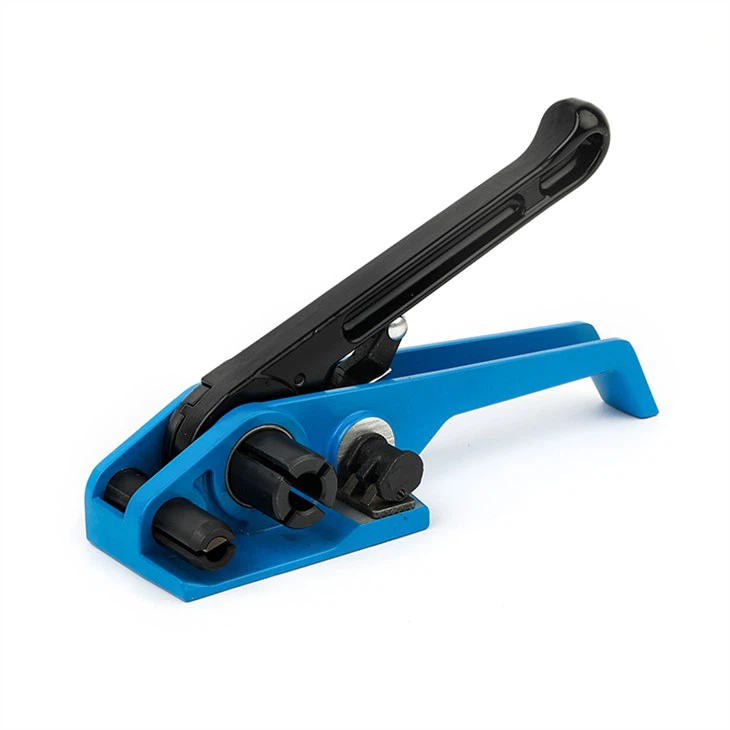
In order to solve the problem of insufficient bundling of plastic strapping machines, we need to consider and deal with it from multiple dimensions. The core factors to ensure the tightness of the strapping include: correctly adjusting the tension adjustment equipment, selecting strapping tape of appropriate quality, timely handling the wear of the rollers, checking and repairing the faults of the heating system, and strictly following the correct operating procedures. At the same time, regular maintenance and maintenance of plastic strapping machines, strengthening the training of operators, and making them familiar with the performance of the equipment and the correct operation methods are very critical to prevent the occurrence of loose strapping problems. The successful implementation of these measures can not only improve the working efficiency of plastic strapping machines and ensure the stability of packaging quality, but also help to extend the service life of the equipment, thus bringing positive effects to the daily production and operation of enterprises. With the continuous advancement of science and technology, we have reason to believe that plastic strapping machines in the future will become more intelligent and efficient, thus bringing higher quality services to the packaging industry.