

Hey there! As a supplier of Strapping Dispensers, I often get asked about the weight capacity of these handy tools. It's a crucial question, especially when you're looking to secure heavy loads efficiently and safely. In this blog, I'll break down everything you need to know about the weight capacity of strapping dispensers.
First off, let's understand what a strapping dispenser is. If you're not familiar, Strapping Dispensers are devices used to hold and dispense strapping materials, like Strapping PET, which is a popular choice due to its strength and durability. They come in various types, including handheld, tabletop, and automated models, each designed to suit different applications and workloads.
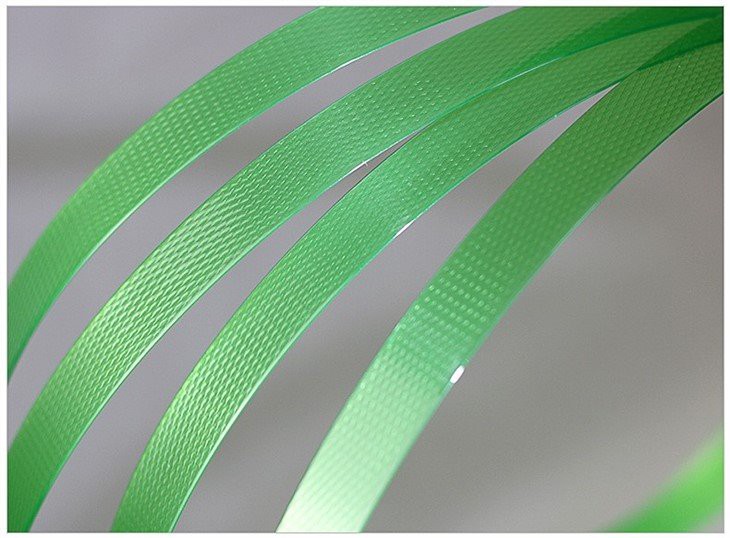
The weight capacity of a strapping dispenser isn't a one - size - fits - all number. It depends on several factors. One of the most significant factors is the type of strapping material being used. For example, Strapping PET has different tensile strengths based on its thickness and width. Thicker and wider PET strapping can handle heavier loads compared to thinner ones.
Let's talk about the different types of strapping dispensers and their typical weight capacities.
Handheld Strapping Dispensers
These are the most basic and portable type of strapping dispensers. They're great for small - scale operations or for quickly securing lighter loads on the go. Handheld dispensers usually have a lower weight capacity, typically suitable for loads up to 500 pounds. This is because they're designed to be operated manually, and the user needs to be able to handle the tensioning process.

For instance, if you're in a small warehouse and need to strap together a few boxes of light merchandise, a handheld dispenser would do the job just fine. But if you're dealing with large, heavy pallets, you'll probably need something more robust.
Tabletop Strapping Dispensers
Tabletop dispensers offer a step up in terms of weight capacity. They're often used in medium - sized businesses where you need to strap a moderate number of packages regularly. These dispensers can handle loads ranging from 500 pounds to 2000 pounds.
They're designed to be placed on a workbench or table, and they usually have a more stable base and better tensioning mechanisms compared to handheld models. This allows them to apply more force when tightening the strapping around heavier loads. For example, if you're a medium - sized e - commerce business shipping out boxes of various sizes and weights, a tabletop dispenser could be a great fit.
Automated Strapping Dispensers
When it comes to heavy - duty applications, automated strapping dispensers are the way to go. These machines are designed to handle high - volume and heavy - weight loads with ease. They can typically handle loads of 2000 pounds or more.
Automated dispensers are often used in large warehouses, manufacturing plants, and shipping facilities. They can be integrated into a production line, allowing for continuous and efficient strapping of heavy pallets and large items. For example, in a furniture manufacturing plant, where large and heavy pieces need to be secured for shipping, an automated strapping dispenser would be indispensable.
Another factor that affects the weight capacity of a strapping dispenser is the quality of the dispenser itself. A well - built dispenser with high - quality components can handle more stress and tension, which means it can secure heavier loads. Cheaper, low - quality dispensers may break or malfunction when trying to handle heavy loads, so it's important to invest in a good one.
The environment in which the dispenser is used also plays a role. If the dispenser is used in a harsh environment, such as a factory with a lot of dust or moisture, it may affect its performance and weight - handling capabilities. Regular maintenance and proper storage can help mitigate these issues and ensure that the dispenser maintains its weight capacity over time.
Now, let's talk about how to determine the right weight capacity for your needs. First, assess the type of loads you'll be strapping. If you're mainly dealing with small, light packages, a handheld or tabletop dispenser with a lower weight capacity may be sufficient. But if you're shipping large, heavy items or pallets, you'll need an automated dispenser with a higher weight capacity.
It's also a good idea to consider your future growth. If you expect your business to expand and your strapping needs to increase, it may be wise to invest in a dispenser with a higher weight capacity than you currently need. This way, you won't have to replace the dispenser as your business grows.
In addition to the weight capacity, you also need to consider the type of strapping material. As I mentioned earlier, Strapping PET is a popular choice, but there are other options like steel strapping, which is even stronger and can handle extremely heavy loads. However, steel strapping is more expensive and can be more difficult to work with.
If you're still not sure which strapping dispenser and weight capacity are right for you, don't hesitate to reach out. As a supplier of Strapping Dispensers, I've got the expertise to help you make the best choice for your business. Whether you're a small startup or a large corporation, I can provide you with the right strapping solution to meet your needs.
So, if you're in the market for a strapping dispenser and want to learn more about weight capacities or any other aspect of these products, feel free to contact me. We can have a chat, discuss your specific requirements, and find the perfect dispenser for you. Let's work together to make your strapping process more efficient and reliable.
References
- Packaging Industry Handbook - A comprehensive guide on packaging equipment and materials.
- Strapping Material Manufacturers' Specifications - For detailed information on the strength and performance of different strapping materials.