

The durability of a box strapping tool is a critical factor that directly impacts its performance, cost - effectiveness, and overall value for users. As a trusted supplier of Box Strapping Tool, we understand the significance of durability in these essential tools. In this blog, we will explore what durability means for a box strapping tool, the factors that influence it, and how to assess and ensure the long - term reliability of these products.
Defining Durability in Box Strapping Tools
Durability, in the context of box strapping tools, refers to the ability of the tool to withstand the rigors of regular use over an extended period without significant degradation in performance. A durable strapping tool should be able to maintain its functionality, accuracy, and efficiency even when subjected to continuous tensioning, sealing, and cutting operations.
From a user's perspective, a durable tool means fewer breakdowns, less downtime for repairs, and lower long - term costs. For businesses that rely on box strapping for packaging and shipping, this translates into increased productivity and reduced operational disruptions.
Factors Influencing the Durability of Box Strapping Tools
1. Material Quality
The materials used in the construction of a box strapping tool play a fundamental role in determining its durability. High - quality metals such as stainless steel or hardened alloys are often used for components that experience high stress, such as the tensioning mechanism and the cutting blade. These materials offer excellent resistance to wear, corrosion, and deformation.
Plastics used in the tool's body and handles also need to be of good quality. They should be strong enough to withstand impacts and stresses during normal use, as well as resistant to environmental factors such as UV radiation and chemicals.
2. Design and Engineering
A well - designed box strapping tool is more likely to be durable. The design should ensure that the internal components are properly aligned and protected from external contaminants. For example, a tool with a sealed housing can prevent dust and debris from entering the mechanism, which could otherwise cause premature wear.
The engineering of the tool should also take into account the forces involved in the strapping process. A balanced design that distributes stress evenly across the components can reduce the risk of component failure. For instance, the tensioning system should be designed to apply force smoothly and consistently, minimizing the strain on individual parts.
3. Manufacturing Processes
The manufacturing processes used to produce the box strapping tool can have a significant impact on its durability. Precision machining ensures that the components are made to exact specifications, which is crucial for proper fit and function. High - quality welding and assembly techniques are also essential to ensure that the tool's parts are securely joined together.
Quality control measures during manufacturing are equally important. Each tool should be thoroughly tested to ensure that it meets the required standards for performance and durability before it leaves the factory.
4. Usage and Maintenance
The way a box strapping tool is used and maintained also affects its durability. Overloading the tool by using it with strapping materials that are too thick or too strong for its design can cause excessive wear and damage. Similarly, improper handling, such as dropping the tool or using it in harsh environments without proper protection, can shorten its lifespan.
Regular maintenance is essential for keeping a box strapping tool in good working condition. This includes cleaning the tool after use to remove dirt and debris, lubricating moving parts to reduce friction, and inspecting the tool for signs of wear or damage. Replacing worn - out components in a timely manner can prevent further damage and extend the tool's lifespan.
Assessing the Durability of Box Strapping Tools
When choosing a box strapping tool, it is important to assess its durability to ensure that it meets your needs. Here are some ways to evaluate the durability of a tool:
1. Read Product Reviews
Online product reviews can provide valuable insights into the real - world durability of a box strapping tool. Look for reviews from customers who have used the tool for an extended period and pay attention to their comments about its performance, reliability, and any issues they have encountered.
2. Check Manufacturer's Specifications
The manufacturer's specifications can give you an idea of the tool's expected lifespan and durability. Look for information about the materials used, the maximum load capacity, and any warranties or guarantees offered. A manufacturer that stands behind its product with a long - term warranty is often an indication of confidence in the tool's durability.
3. Inspect the Tool in Person
If possible, inspect the tool in person before making a purchase. Check the quality of the materials, the construction of the components, and the overall build of the tool. Look for signs of poor workmanship, such as rough edges, loose parts, or inconsistent finishes.
Ensuring the Long - Term Durability of Box Strapping Tools
As a supplier of Box Strapping Tool, we recommend the following steps to ensure the long - term durability of your strapping tools:
1. Choose the Right Tool for the Job
Select a box strapping tool that is suitable for the type and volume of strapping you need to do. Using a tool that is under - powered or over - sized for the task can lead to premature wear and damage.
2. Provide Proper Training
Ensure that your employees are properly trained in the use and maintenance of the box strapping tool. This includes teaching them how to operate the tool correctly, how to perform basic maintenance tasks, and how to identify signs of wear or damage.
3. Follow the Manufacturer's Recommendations
Adhere to the manufacturer's guidelines for usage, maintenance, and replacement of parts. This will help to ensure that the tool operates at its optimal level and that its lifespan is maximized.
4. Use Compatible Strapping Materials
Using the right type of strapping material is crucial for the durability of the tool. Make sure that the strapping you use is compatible with the tool's specifications in terms of width, thickness, and strength. For example, if you are using a Poly Cord Strapping Kit, ensure that the tool is designed to work with poly cord strapping.
Our Commitment as a Supplier
As a leading supplier of box strapping tools, we are committed to providing our customers with high - quality, durable products. We source our tools from reputable manufacturers who use the latest materials and manufacturing processes to ensure the best possible durability.
In addition to offering durable tools, we also provide comprehensive support to our customers. This includes technical advice on tool selection, usage, and maintenance, as well as prompt replacement of parts when needed. Our goal is to help our customers get the most out of their box strapping tools and minimize any disruptions to their operations.
Conclusion
The durability of a box strapping tool is a crucial consideration for anyone involved in packaging and shipping. By understanding the factors that influence durability, assessing the quality of the tool before purchase, and taking proper care of it during use, you can ensure that your box strapping tool provides reliable performance over a long period.
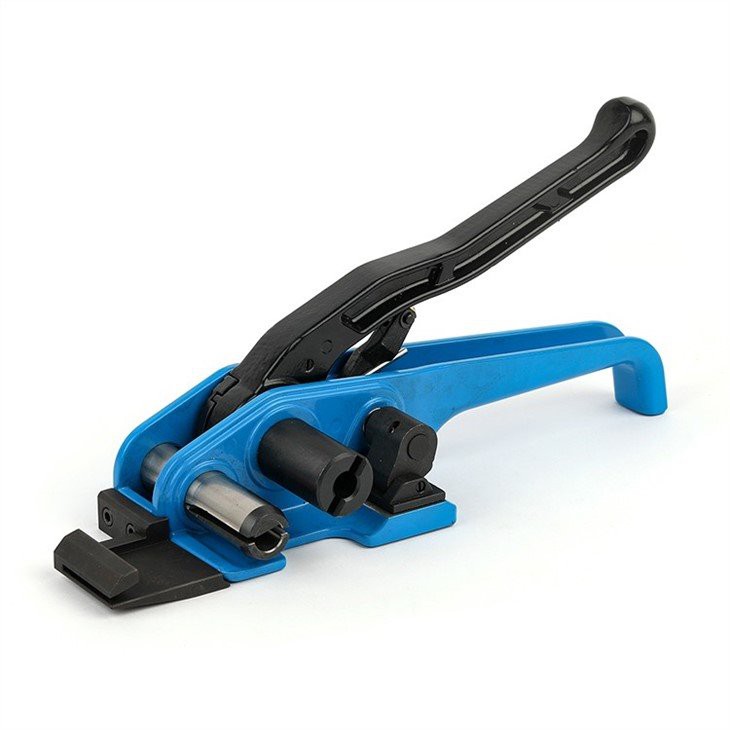

If you are in the market for a durable box strapping tool, Manual Strapping Tensioner or any other related products, we invite you to contact us for more information. Our team of experts is ready to assist you in finding the right solution for your specific needs. We look forward to the opportunity to work with you and help you enhance your packaging operations.
References
- Industry standards for box strapping tools
- Manufacturer's product literature and specifications
- Customer feedback and case studies on box strapping tool durability