

Hey there! As a supplier of Strapping PET, I've been in the packaging game for quite a while, and I often get asked about how Strapping PET stacks up against paper strapping. So, I thought I'd take the time to break it down for you in this blog post.
Strength and Durability
Let's start with the biggie - strength. Strapping PET is a real heavyweight in this department. It's made from polyethylene terephthalate, a type of plastic that's known for its high tensile strength. This means it can handle a lot of tension without breaking. Whether you're strapping down heavy machinery or a large pallet of goods, Strapping PET can hold up.
On the other hand, paper strapping is more lightweight. It's great for lighter loads and products that don't require a lot of force to keep them secure. But if you're dealing with something that's bulky or heavy, paper strapping might not be up to the task. It can tear or break under pressure, which could lead to your packages coming loose during transit.
For example, if you're shipping a pallet of bricks, Strapping PET is the obvious choice. It can withstand the weight and the jostling that comes with transportation. But if you're bundling a stack of magazines, paper strapping would do the job just fine.
Weather Resistance
Another important factor to consider is how well the strapping holds up in different weather conditions. Strapping PET is highly resistant to moisture, UV rays, and temperature changes. This makes it ideal for outdoor use or for products that need to be stored in less-than-ideal environments.
Paper strapping, however, is not as weather-resistant. It can get wet and become weak, losing its ability to hold packages together. And if it's exposed to sunlight for too long, it can start to degrade. So, if your products are going to be outside or in a humid warehouse, Strapping PET is the way to go.
Let's say you're shipping construction materials to a job site. The materials might be sitting outside for a few days before they're used, and there's a chance of rain. In this case, Strapping PET would protect your products better than paper strapping.
Cost-Effectiveness
Cost is always a concern when it comes to packaging. Strapping PET might seem more expensive upfront, but it can actually save you money in the long run. Because it's stronger and more durable, you don't need to use as much of it. You also won't have to worry about your packages coming loose and having to re-strap them, which can save you time and labor costs.
Paper strapping is cheaper per unit, but you might need to use more of it to achieve the same level of security. And if it fails during transit, you could end up with damaged products and unhappy customers. So, when you factor in the cost of potential losses, Strapping PET can be a more cost-effective option.
For instance, if you're a large-scale manufacturer shipping thousands of products every month, the savings from using Strapping PET can really add up over time.
Environmental Impact
In today's world, environmental impact is a big deal. Strapping PET is recyclable, which means it can be reused and turned into new products. This helps reduce waste and is better for the planet.
Paper strapping is also environmentally friendly, as it's made from renewable resources. However, the production process for paper strapping can be more energy-intensive and can result in more waste. So, while both options have their environmental benefits, Strapping PET might be the more sustainable choice overall.
If you're a company that's committed to reducing its carbon footprint, choosing Strapping PET can be a step in the right direction.
Ease of Use
When it comes to ease of use, both Strapping PET and paper strapping have their pros and cons. Strapping PET can be a bit more difficult to work with because it's stiffer. You might need special tools, like Strapping Dispensers, to apply it properly. But once you get the hang of it, it's not too bad.
Paper strapping is more flexible and easier to handle. You can use it with simple hand tools, which makes it a good option for small businesses or for tasks that don't require a lot of strapping.
For example, if you're a small e-commerce business shipping a few packages a day, paper strapping might be the easier choice. But if you're a large warehouse with high-volume shipping, Strapping PET, along with the right tools, can make the process more efficient.
Aesthetics
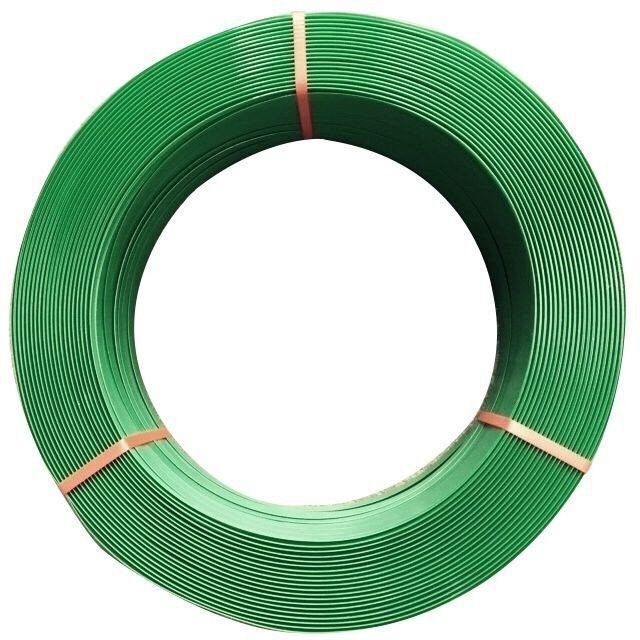
Let's not forget about how the strapping looks. Strapping PET has a clean, professional appearance that can enhance the look of your packages. It comes in different colors, so you can choose one that matches your brand or the type of product you're shipping.
Paper strapping has a more rustic, natural look. It can give your packages a more artisanal or eco-friendly vibe, which might be appealing to certain customers.
So, depending on your brand image and the type of products you're selling, you might prefer one over the other.
Conclusion
In conclusion, Strapping PET and paper strapping both have their own advantages and disadvantages. Strapping PET is stronger, more weather-resistant, and more cost-effective in the long run. It's also more environmentally friendly and has a professional appearance. On the other hand, paper strapping is cheaper upfront, easier to use, and has a more natural look.
If you're still not sure which one is right for you, I'd be happy to help. As a Strapping PET supplier, I have a lot of experience and can provide you with more detailed information based on your specific needs. Whether you're a small business or a large corporation, I can offer solutions that fit your budget and requirements.

If you're interested in learning more or want to discuss your packaging needs, feel free to reach out. I'm here to help you make the best choice for your business.
References
- Packaging Industry Reports
- Research on Strapping Materials
- Customer Feedback and Case Studies