

As a reputable pneumatic tensioner supplier in the industry, I've witnessed firsthand the various applications and benefits these tools bring to the table. Pneumatic tensioners are a staple in many packaging and strapping operations, offering high efficiency and consistent tensioning capabilities. They rely on compressed air to generate the power needed for tightening and securing straps around various items, from small packages to large pallets. However, like any other technology, pneumatic tensioners are not without their disadvantages. In this blog, I'll delve into some of the drawbacks that users might encounter when working with pneumatic tensioners.
1. Dependency on Compressed Air Supply
One of the most significant disadvantages of pneumatic tensioners is their reliance on a compressed air supply. This requirement limits the mobility of the tool. Unlike Manual Strapping Tensioner, which can be used anywhere without the need for an external power source, pneumatic tensioners need to be connected to an air compressor. This means that in areas where there is no access to a reliable compressed air system, the use of pneumatic tensioners becomes impractical.
Moreover, setting up and maintaining a compressed air system can be costly. The initial investment in an air compressor, along with the necessary hoses and fittings, can be quite substantial. Additionally, there are ongoing costs associated with operating the compressor, such as electricity or fuel consumption, as well as maintenance and repair expenses. Any issues with the air compressor, such as leaks or mechanical failures, can also disrupt the operation of the pneumatic tensioner, leading to downtime and potential loss of productivity.
2. Noise Pollution
Pneumatic tensioners are known for being quite noisy during operation. The release of compressed air and the mechanical components working together create a significant amount of noise, which can be a nuisance to operators and those working in the vicinity. Prolonged exposure to high - level noise can lead to hearing problems for the workers, including hearing loss and tinnitus.
To mitigate the noise issue, operators often need to wear hearing protection equipment, such as earplugs or earmuffs. However, this can be uncomfortable for long - term use and may also interfere with communication among the workers. In some workplaces, the noise generated by pneumatic tensioners may even violate noise regulations, which can result in fines and legal issues for the company.
3. Moisture and Contamination Risks
Compressed air systems can introduce moisture and contaminants into the pneumatic tensioner. Moisture can accumulate in the air lines due to condensation, especially in environments with high humidity. This moisture can then enter the tool, causing corrosion of the internal components. Corrosion can lead to a decrease in the performance of the tensioner, resulting in inconsistent tensioning and potential breakdowns.
In addition to moisture, contaminants such as dust and debris can also find their way into the air lines and the tool. These contaminants can clog the air passages and damage the seals and valves inside the pneumatic tensioner. Regular maintenance, including the use of air filters and dryers, is required to prevent moisture and contamination issues. However, this adds to the overall maintenance cost and workload.
4. Limited Tension Adjustability
While pneumatic tensioners offer high - speed operation and can achieve relatively high tension levels, they may have limitations when it comes to precise tension adjustability. In some applications, such as those involving delicate or fragile items, precise control over the tension is crucial. Pneumatic tensioners may not be as flexible as other types of tensioners, such as Manual Strapping Tool, which allow operators to adjust the tension manually according to the specific requirements of the job.
The tension settings on pneumatic tensioners are often based on the pressure of the compressed air supply. Adjusting the air pressure can change the tension, but it may not provide a fine - tuned adjustment. This can lead to over - tensioning or under - tensioning of the straps, which can pose risks to the packaged items. Over - tensioning can damage the items, while under - tensioning may result in the straps coming loose during handling or transportation.
5. Cost of Ownership
The cost of owning and operating a pneumatic tensioner is relatively high. As mentioned earlier, the initial investment in the tool itself, along with the air compressor and related accessories, is significant. In addition to the purchase cost, there are ongoing costs such as energy consumption, maintenance, and repair.
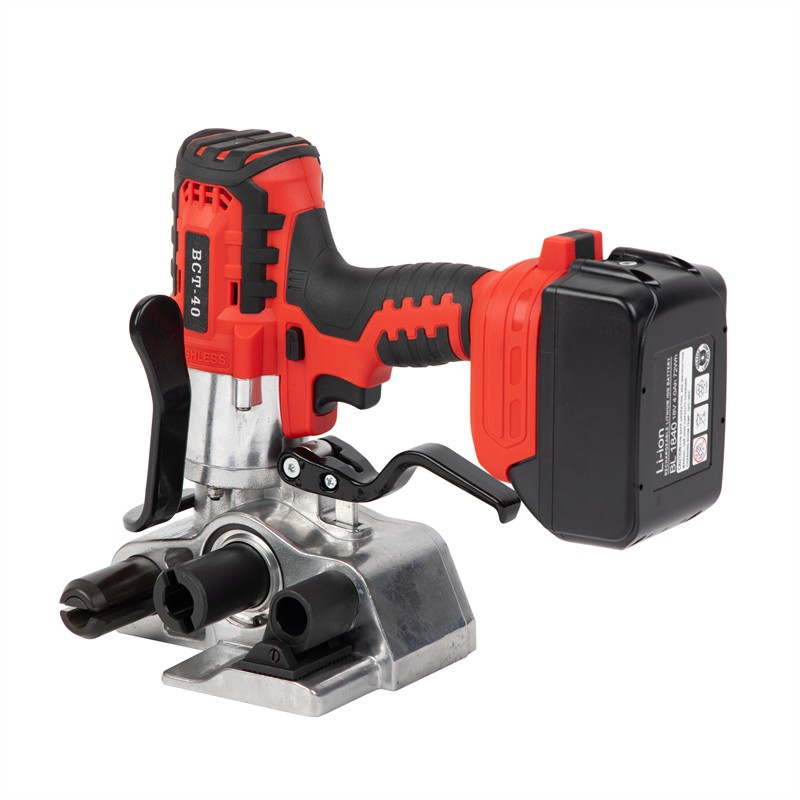
The need for regular maintenance, including cleaning, lubrication, and component replacement, adds to the overall cost. Moreover, if the pneumatic tensioner breaks down, the repair costs can be substantial, especially if specialized parts or technical expertise are required. In comparison, other types of strapping tools, such as the BCT40 Battery Operated Strapping Machine For Cord Strapping 40mm, may have a lower cost of ownership due to their simpler operation and reduced reliance on external equipment.
6. Complexity of Operation and Maintenance
Pneumatic tensioners are more complex to operate and maintain compared to some other types of strapping tools. Operators need to have a certain level of training to understand how to use the tool safely and effectively, especially when it comes to adjusting the air pressure and tension settings. Incorrect operation can lead to poor performance, damage to the tool, or even safety hazards.
Maintenance of pneumatic tensioners also requires technical knowledge. Troubleshooting issues such as air leaks, pressure problems, and component failures can be challenging. Companies may need to invest in training their maintenance staff or hire external technicians to perform the necessary repairs and servicing. This complexity can be a deterrent for some small and medium - sized businesses that may not have the resources or expertise to handle pneumatic tensioners effectively.
Despite these disadvantages, pneumatic tensioners still have their place in the market. They are well - suited for high - volume, heavy - duty strapping applications where speed and consistent tensioning are essential. At our company, we understand the drawbacks of pneumatic tensioners and are committed to providing our customers with comprehensive support and solutions. We offer a range of strapping tools, including alternatives to pneumatic tensioners, to meet the diverse needs of our clients.
If you're considering investing in a strapping tool and are concerned about the disadvantages of pneumatic tensioners, we encourage you to reach out to us. Our team of experts can help you evaluate your requirements and recommend the most suitable solution for your business. We can also provide detailed information about the features, benefits, and limitations of different strapping tools, so you can make an informed decision. Whether you need a Manual Strapping Tensioner, a BCT40 Battery Operated Strapping Machine For Cord Strapping 40mm, or a Manual Strapping Tool, we're here to assist you in finding the right tool for your packaging needs.

Contact us today to start a discussion about your strapping requirements and explore the options available. We look forward to working with you to improve your packaging efficiency and quality.
References
- Packaging Machinery Manufacturers Institute (PMMI). "Guide to Strapping Tools and Equipment."
- Industrial Press Handbook on Compressed Air Systems and Pneumatic Tools.
- Various industry - specific research papers on strapping technology and equipment performance.