

Optimizing the use of a plastic strapping tool is crucial for businesses aiming to enhance efficiency, reduce costs, and ensure the secure packaging of their products. As a plastic strapping tool supplier, I've seen firsthand how the right techniques and practices can transform the strapping process. In this blog, I'll share some valuable insights on how to get the most out of your plastic strapping tools.
Understanding Your Plastic Strapping Tool
Before you can optimize the use of your plastic strapping tool, it's essential to understand its features and capabilities. Different tools are designed for specific applications, and knowing the ins and outs of your chosen tool will help you achieve better results.
Types of Plastic Strapping Tools
There are several types of plastic strapping tools available on the market, each with its own advantages and limitations. Some of the most common types include:
- Manual Strapping Tools: These tools are operated by hand and are suitable for low-volume strapping applications. They are typically lightweight, portable, and easy to use. Manual Strapping Tensioner is a great example of a manual tool that can provide reliable strapping for small to medium-sized packages.
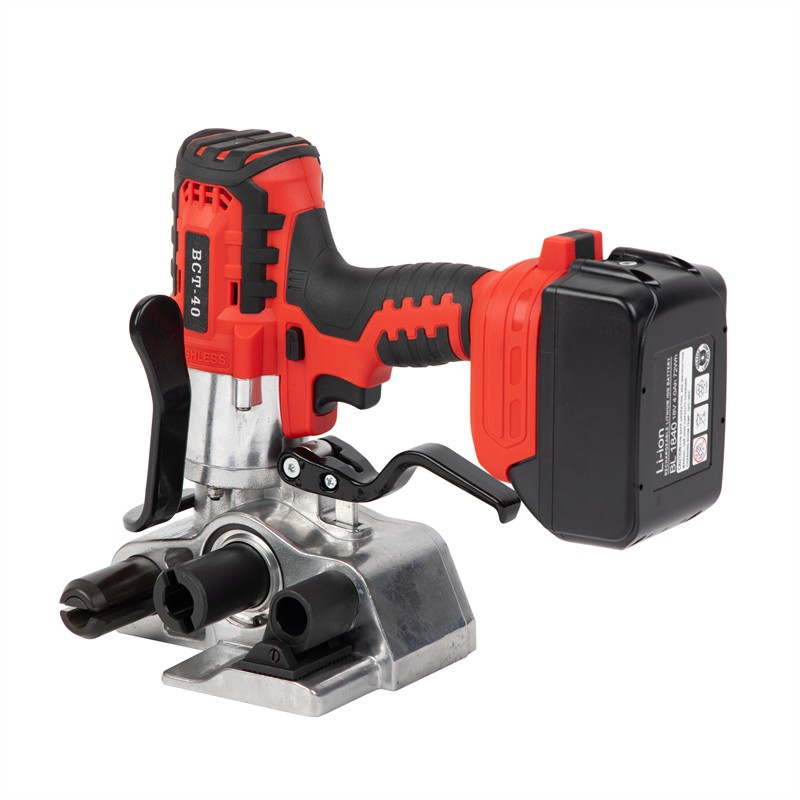
- Battery-Operated Strapping Tools: These tools are powered by rechargeable batteries and offer greater efficiency and convenience compared to manual tools. They are ideal for high-volume strapping applications and can significantly reduce the time and effort required for strapping. The BCT40 Battery Operated Strapping Machine For Cord Strapping 40mm is a powerful and versatile battery-operated tool that can handle a wide range of strapping tasks.
- Pneumatic Strapping Tools: These tools are powered by compressed air and are known for their high speed and strength. They are commonly used in industrial settings where large volumes of packages need to be strapped quickly and securely.
- Box Strapping Tools: These tools are specifically designed for strapping boxes and are often used in the packaging industry. They are available in both manual and automatic versions and can provide a tight and secure strap around the box. Box Strapping Tool is a popular choice for box strapping applications.
Tool Features and Settings
Once you've chosen the right type of plastic strapping tool for your needs, it's important to familiarize yourself with its features and settings. Most tools come with adjustable tension settings, which allow you to control the tightness of the strap. It's important to set the tension correctly to ensure that the strap is tight enough to hold the package securely but not so tight that it damages the product or the strap itself.
Some tools also come with additional features such as automatic strap feeding, sealing, and cutting, which can further enhance efficiency and productivity. Make sure to read the user manual carefully and understand how to use these features to get the most out of your tool.
Preparing the Strapping Material
The quality and condition of the strapping material can have a significant impact on the performance of your plastic strapping tool. Here are some tips on how to prepare the strapping material for optimal use:
Choosing the Right Strapping Material
There are several types of plastic strapping materials available, including polypropylene (PP), polyester (PET), and nylon. Each material has its own unique properties and is suitable for different applications. For example, PP strapping is lightweight, flexible, and cost-effective, making it a popular choice for general-purpose strapping. PET strapping, on the other hand, is stronger and more durable, making it ideal for heavy-duty applications.
When choosing the right strapping material, consider the weight and size of the package, the type of product being shipped, and the environmental conditions during transit. It's also important to choose a high-quality strapping material that is free from defects and has a consistent thickness and width.
Inspecting the Strapping Material
Before using the strapping material, it's important to inspect it for any signs of damage or defects. Look for cuts, tears, or frayed edges, as these can affect the performance of the tool and the integrity of the strap. If you notice any damage, replace the strapping material immediately to avoid any issues during the strapping process.
Storing the Strapping Material
Proper storage of the strapping material is also important to ensure its quality and performance. Store the strapping material in a cool, dry place away from direct sunlight and moisture. Avoid storing the strapping material in areas where it may be exposed to chemicals or other contaminants, as this can damage the material and affect its performance.

Proper Tool Operation
Once you've chosen the right plastic strapping tool and prepared the strapping material, it's time to start using the tool. Here are some tips on how to operate the tool properly for optimal efficiency:
Positioning the Tool
Proper positioning of the tool is crucial for achieving a tight and secure strap. Make sure to position the tool directly over the package and align it with the strap path. This will ensure that the strap is applied evenly and that the tension is distributed evenly across the package.
Applying the Strap
When applying the strap, make sure to feed it through the tool smoothly and evenly. Avoid pulling the strap too tightly or too loosely, as this can affect the tension and the integrity of the strap. Once the strap is in place, use the tool to tension the strap to the desired level.
Sealing and Cutting the Strap
After the strap has been tensioned, it's time to seal and cut it. Most plastic strapping tools come with a built-in sealing and cutting mechanism, which makes this process quick and easy. Make sure to follow the manufacturer's instructions carefully when using the sealing and cutting mechanism to ensure a proper seal and a clean cut.
Maintaining the Tool
Regular maintenance of the plastic strapping tool is essential to ensure its optimal performance and longevity. Make sure to clean the tool regularly to remove any dirt, debris, or strap residue. Lubricate the moving parts of the tool as recommended by the manufacturer to prevent wear and tear. It's also important to replace any worn or damaged parts promptly to avoid any issues during the strapping process.
Training and Safety
Proper training and safety procedures are essential when using a plastic strapping tool. Here are some tips on how to ensure the safety of your employees and the proper use of the tool:
Training Employees
Make sure to provide comprehensive training to your employees on how to use the plastic strapping tool properly. This should include training on tool operation, maintenance, and safety procedures. Provide hands-on training and allow employees to practice using the tool under supervision until they are comfortable and confident.
Following Safety Procedures
Establish and enforce strict safety procedures when using the plastic strapping tool. This should include wearing appropriate personal protective equipment (PPE), such as gloves and safety glasses, to prevent injuries. Make sure to keep the work area clean and free from clutter to avoid tripping hazards. It's also important to follow the manufacturer's instructions carefully when using the tool to ensure a safe and proper operation.
Regular Inspections
Regularly inspect the plastic strapping tool and the work area to ensure that everything is in good working condition. Look for any signs of wear and tear, damage, or malfunction. If you notice any issues, make sure to address them promptly to prevent any accidents or injuries.
Conclusion
Optimizing the use of a plastic strapping tool is essential for businesses looking to improve efficiency, reduce costs, and ensure the secure packaging of their products. By understanding the different types of plastic strapping tools, preparing the strapping material properly, operating the tool correctly, and following proper training and safety procedures, you can get the most out of your plastic strapping tool and achieve better results.
If you're interested in learning more about our plastic strapping tools or have any questions about how to optimize their use, please don't hesitate to contact us. We're here to help you find the right solution for your needs and ensure that you get the most out of your investment.
References
- Packaging Machinery Manufacturers Institute (PMMI). (2023). Plastic Strapping Tools: A Guide to Selection and Use.
- Strapping Products Manufacturers Association (SPMA). (2023). Best Practices for Plastic Strapping Tool Operation.
- Manufacturer's User Manuals for Plastic Strapping Tools.