

Banding tensioner tools are essential equipment in various industries, especially those involved in packaging and shipping. These tools ensure that strapping materials are tightened properly around packages, providing stability and security during transit. As a supplier of banding tensioner tools, I understand the importance of keeping these tools in optimal working condition. In this blog post, I will share some effective troubleshooting tips to help you address common issues with banding tensioner tools.
Understanding the Banding Tensioner Tool
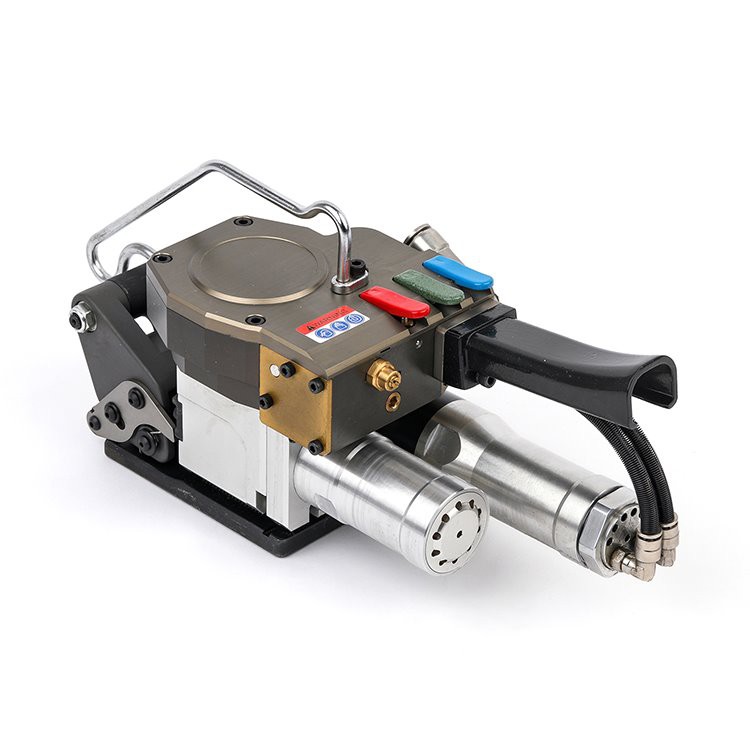
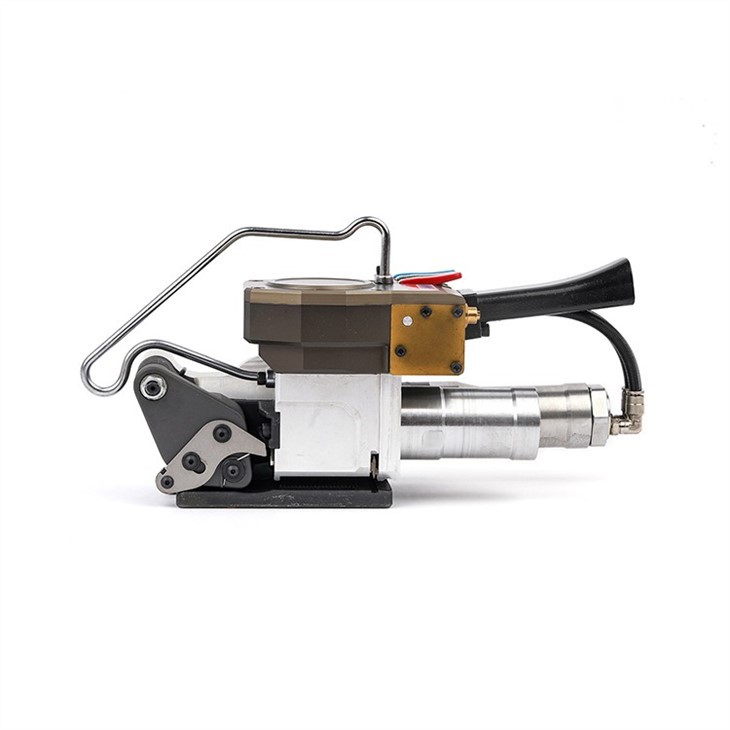
Before diving into troubleshooting, it's crucial to have a basic understanding of how a banding tensioner tool works. A typical banding tensioner tool consists of several components, including a tensioning mechanism, a sealing mechanism, and a handle for operation. The tensioning mechanism is responsible for tightening the strapping around the package, while the sealing mechanism secures the ends of the strapping together. The handle provides the user with the necessary leverage to operate the tool.
Common Issues and Troubleshooting Steps
1. Tool Not Tensioning Properly
One of the most common issues with banding tensioner tools is the inability to tension the strapping properly. This can result in loose or unevenly tightened straps, which can compromise the integrity of the package.
- Check the Strapping Material: Ensure that you are using the correct type and size of strapping material for your tool. Using the wrong strapping can cause the tool to malfunction. For example, if the strapping is too thick or too thin, the tensioning mechanism may not be able to grip it effectively.
- Inspect the Tensioning Wheels: The tensioning wheels are responsible for gripping and tightening the strapping. Over time, these wheels can become worn or dirty, which can affect their performance. Clean the tensioning wheels regularly and replace them if they are damaged.
- Adjust the Tension Settings: Most banding tensioner tools have adjustable tension settings. If the tool is not tensioning the strapping tightly enough, try increasing the tension setting. Conversely, if the straps are too tight, reduce the tension setting.
2. Sealing Problems
Another common issue is problems with the sealing mechanism. If the strapping is not sealed properly, the package may come apart during transit.
- Check the Sealing Element: The sealing element is responsible for melting or bonding the ends of the strapping together. Make sure that the sealing element is in good condition and that it is heating up properly. If the sealing element is damaged or not functioning correctly, it may need to be replaced.
- Inspect the Sealing Pressure: The sealing pressure is also an important factor in achieving a proper seal. If the sealing pressure is too low, the straps may not be sealed tightly enough. If the pressure is too high, the strapping may be damaged. Adjust the sealing pressure according to the manufacturer's recommendations.
- Clean the Sealing Area: Dirt and debris can accumulate in the sealing area, which can prevent the strapping from sealing properly. Clean the sealing area regularly to ensure a clean and smooth surface for sealing.
3. Tool Jamming
Tool jamming is another frustrating issue that can occur with banding tensioner tools. This can happen when the strapping gets stuck in the tool, preventing it from operating properly.
- Remove the Strapping: If the tool is jammed, the first step is to remove the strapping carefully. Use a pair of pliers or a screwdriver to gently pull the strapping out of the tool. Be careful not to damage the tool or the strapping.
- Check for Obstructions: Inspect the tool for any obstructions, such as broken pieces of strapping or debris. Remove any obstructions that you find and clean the tool thoroughly.
- Lubricate the Moving Parts: Proper lubrication is essential for the smooth operation of the banding tensioner tool. Lubricate the moving parts, such as the tensioning wheels and the sealing mechanism, regularly to prevent jamming.
4. Air Leaks (for Pneumatic Tools)
If you are using a pneumatic banding tensioner tool, air leaks can be a common problem. Air leaks can cause the tool to lose power and operate inefficiently.
- Check the Air Hoses: Inspect the air hoses for any signs of damage, such as cracks or holes. Replace any damaged air hoses immediately.
- Tighten the Connections: Make sure that all the air connections are tight and secure. Loose connections can cause air leaks. Use a wrench to tighten the connections if necessary.
- Test the Air Pressure: Check the air pressure of the tool using a pressure gauge. Make sure that the air pressure is within the recommended range for the tool. If the air pressure is too low, the tool may not operate properly.
Preventive Maintenance
In addition to troubleshooting, preventive maintenance is key to keeping your banding tensioner tool in good working condition. Here are some preventive maintenance tips:
- Clean the Tool Regularly: After each use, clean the tool thoroughly to remove any dirt, debris, or strapping residue. Use a clean cloth and a mild cleaning solution to wipe down the tool.
- Lubricate the Moving Parts: Lubricate the moving parts of the tool regularly to prevent wear and tear. Use a high-quality lubricant recommended by the tool manufacturer.
- Inspect the Tool for Damage: Regularly inspect the tool for any signs of damage, such as cracks, dents, or worn parts. Replace any damaged parts immediately to prevent further damage to the tool.
- Store the Tool Properly: When not in use, store the tool in a clean, dry place. Avoid storing the tool in extreme temperatures or humid environments, as this can damage the tool.
Conclusion
Troubleshooting a banding tensioner tool can be a challenging task, but with the right knowledge and tools, it can be done effectively. By following the troubleshooting tips and preventive maintenance suggestions outlined in this blog post, you can keep your banding tensioner tool in optimal working condition and ensure that your packages are properly secured.
If you are experiencing persistent problems with your banding tensioner tool or if you need assistance with choosing the right tool for your needs, please don't hesitate to contact us. We are a leading supplier of banding tensioner tools, Pneumatic Plastic Strapping Tool, Pneumatic Pp Pet Strapping Machine, and Strap Sealing Machine. Our team of experts is always ready to provide you with the support and guidance you need. We look forward to helping you with your packaging and shipping needs.
References
- Manufacturer's manuals for banding tensioner tools
- Industry best practices for tool maintenance and troubleshooting