

Optimizing the use of poly strapping with a Poly Strapping Sealer is crucial for businesses aiming to enhance efficiency, reduce costs, and improve overall packaging quality. As a supplier of Poly Strapping Sealers, I am well - versed in the best practices and techniques to get the most out of your strapping operations.
Understanding Poly Strapping and Its Sealer
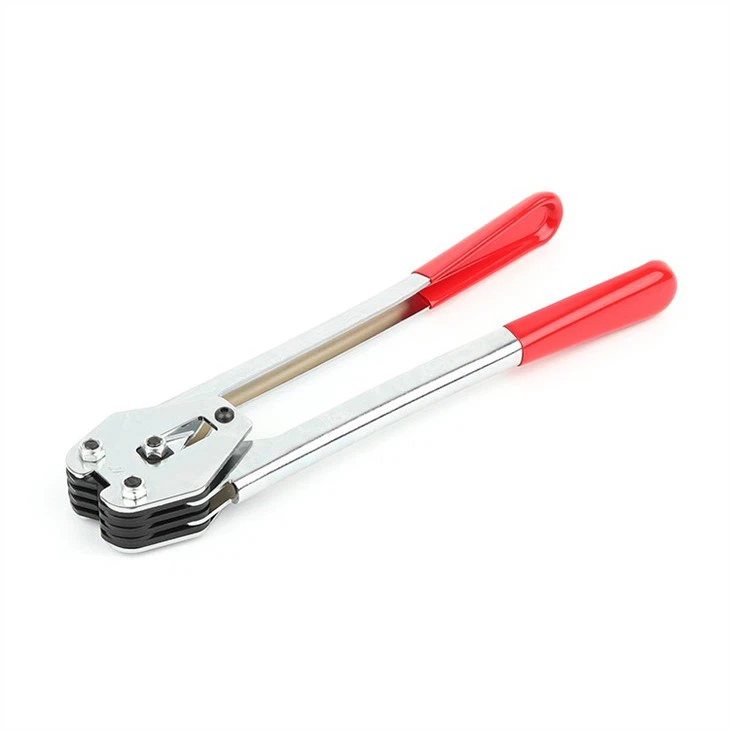
Poly strapping, commonly made from materials like polypropylene (PP) or polyester (PET), is widely used for bundling products, securing packages, and palletizing goods. It offers excellent strength - to - weight ratio, flexibility, and resistance to corrosion. A Poly Strapping Sealer is a tool designed to join the ends of the poly strapping, creating a secure and reliable seal. There are different types of sealers available, including manual, pneumatic, and battery - operated models, each suitable for various applications and production volumes.
Selecting the Right Poly Strapping
The first step in optimizing the use of poly strapping with a sealer is to choose the appropriate type of strapping. Consider the weight and size of the items you are strapping. For lighter loads, polypropylene strapping is a cost - effective option. It is lightweight, flexible, and has good shock - absorbing properties. On the other hand, polyester strapping is stronger and more resistant to elongation, making it ideal for heavy - duty applications and long - term storage.
If you are dealing with sharp - edged products, edge - protected strapping might be necessary to prevent the strapping from cutting or fraying. Additionally, UV - stabilized strapping should be used for outdoor applications to prevent degradation from sunlight exposure.
Proper Installation of the Poly Strapping Sealer
Before using the sealer, ensure it is properly installed and calibrated. Read the manufacturer's instructions carefully. If it is a pneumatic sealer, connect it to a clean and dry air supply with the correct pressure. For battery - operated sealers, make sure the battery is fully charged.
The sealer should be mounted securely in a location that allows easy access to the strapping process. Adjust the height and angle of the sealer to ensure a smooth and efficient strapping operation. This will not only improve the sealing quality but also reduce operator fatigue.
Operator Training
Well - trained operators are essential for optimizing the use of poly strapping and the sealer. Provide comprehensive training on how to operate the sealer safely and effectively. Operators should learn how to load the strapping into the sealer, adjust the tension, and create a proper seal.
Training should also cover maintenance procedures, such as cleaning the sealer regularly to prevent dust and debris from affecting its performance. Teach operators to recognize common problems, like improper sealing or jamming, and how to troubleshoot them.
Tension Adjustment
Proper tension adjustment is key to achieving a secure and reliable strapping job. If the tension is too low, the strapping may come loose during handling and transportation. Conversely, excessive tension can damage the products or break the strapping.
Most Poly Strapping Sealers allow for easy tension adjustment. When starting a new strapping job, test the tension on a sample package. Use a tension gauge to measure the tension accurately. Adjust the sealer settings until you achieve the optimal tension for your specific application. This may require some trial and error, but it is well worth the effort to ensure the integrity of your packages.
Seal Quality
The quality of the seal directly affects the strength and reliability of the strapping. Different types of sealers create different types of seals, such as heat - sealed or friction - welded seals.
For heat - sealed strapping, ensure that the sealer's heating element is at the correct temperature. If the temperature is too low, the seal may not be strong enough. If it is too high, the strapping may melt excessively, weakening the seal. Friction - welded seals rely on the sealer's ability to generate friction to bond the strapping ends. Make sure the friction - generating components are in good condition.
Regularly inspect the seals for signs of weakness, such as cracks or incomplete bonding. If you notice any issues, adjust the sealer settings or perform maintenance as needed.
Maintenance of the Poly Strapping Sealer
Regular maintenance is crucial for the long - term performance of the sealer. Clean the sealer after each use to remove any dirt, dust, or strapping residue. Lubricate moving parts according to the manufacturer's recommendations to ensure smooth operation.
Check the sealer's cutting blade regularly. A dull blade can lead to uneven cuts and poor sealing. Replace the blade when it shows signs of wear. Also, inspect the battery or air supply components (depending on the type of sealer) for any leaks or malfunctions.
Cost - Saving Strategies
Optimizing the use of poly strapping with a sealer can also lead to cost savings. Use the appropriate width and thickness of the strapping for your application. Using overly thick or wide strapping than necessary will increase costs without adding significant benefits.
Another cost - saving strategy is to reduce waste. Train operators to use the strapping efficiently, avoiding unnecessary cutting or excessive use. Additionally, consider purchasing strapping and sealer supplies in bulk to take advantage of volume discounts.
Complementary Products
In addition to the Poly Strapping Sealer, there are other complementary products that can enhance the strapping process. For example, Strapping Sealer Tool can be used for specific applications where a more precise and efficient sealing is required. The Banding Sealer is also a great option for lighter - duty banding tasks. And if you are looking for a high - volume, automated solution, the Pneumatic Pet Strapping Machine can significantly improve productivity.
Conclusion
Optimizing the use of poly strapping with a Poly Strapping Sealer involves a combination of selecting the right materials, proper installation, operator training, tension adjustment, seal quality control, maintenance, and cost - saving strategies. By following these guidelines, you can improve the efficiency of your strapping operations, reduce costs, and ensure the safety and integrity of your packages.
If you are interested in learning more about our Poly Strapping Sealers or have any questions regarding optimizing your strapping process, please feel free to contact us. We are committed to helping you find the best solutions for your packaging needs.

References
- Packaging Machinery Manufacturers Institute. (2023). Best Practices for Strapping Operations.
- Strapping Products Association International. (2023). Guide to Poly Strapping and Sealing.