

Testing a new plastic strapping tool is a crucial process that ensures its reliability, efficiency, and safety for various applications. As a plastic strapping tool supplier, I understand the importance of thorough testing to provide our customers with high-quality products. In this blog, I will share a comprehensive guide on how to test a new plastic strapping tool, covering different aspects from initial inspection to performance evaluation.
Pre - testing Inspection
Before starting any functional tests, a visual inspection of the plastic strapping tool is essential. First, check the overall physical condition of the tool. Look for any signs of damage, such as cracks, dents, or loose parts. A damaged tool may not only perform poorly but also pose a safety risk to the operator.
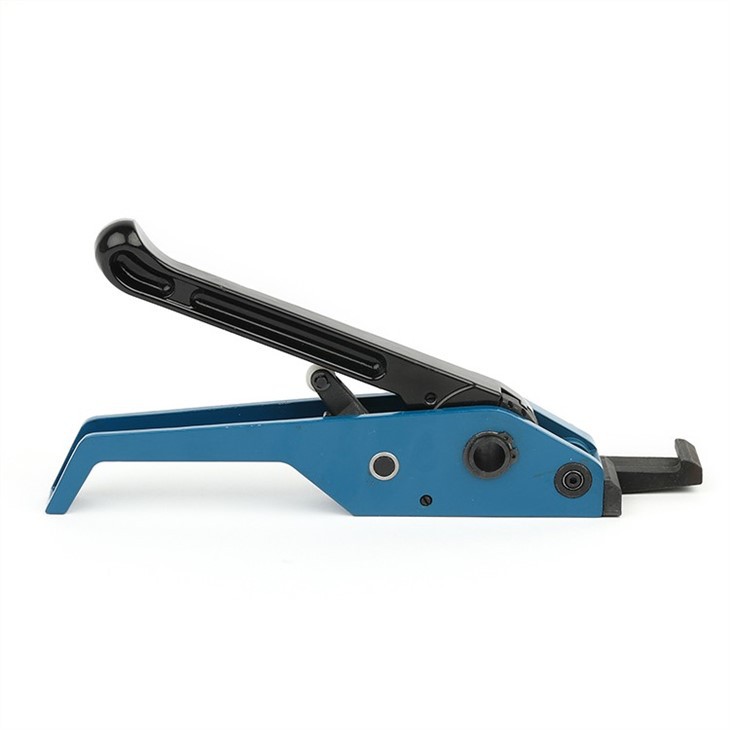
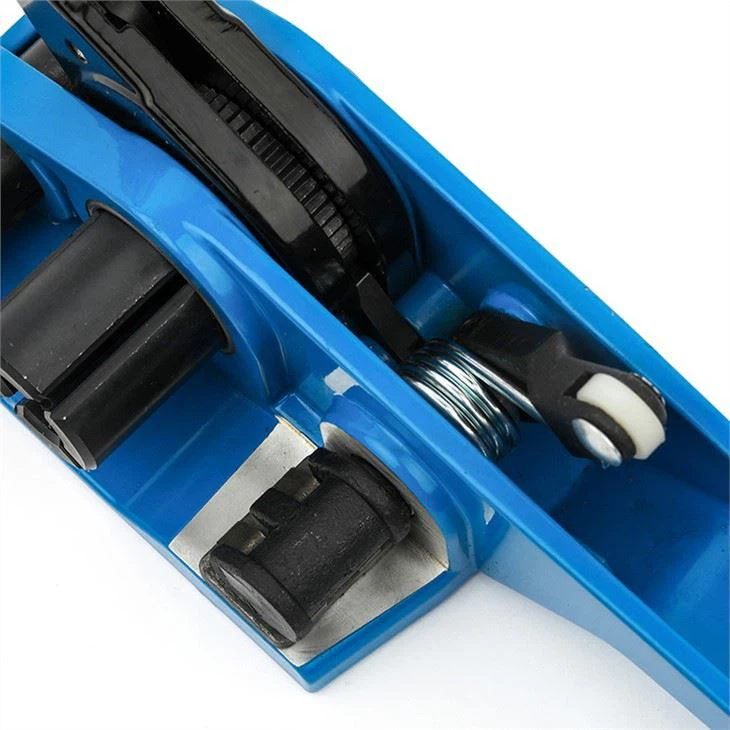
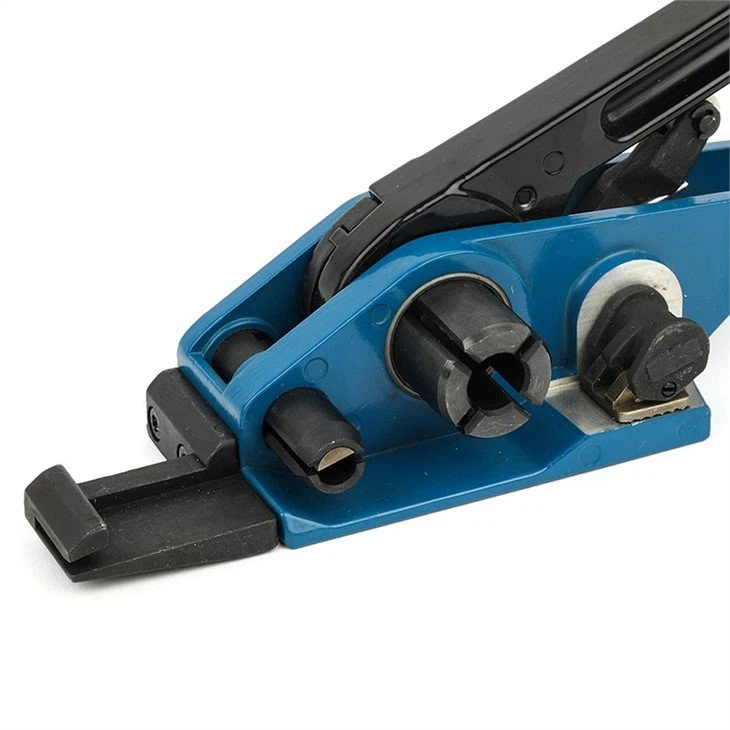
Examine the components of the tool carefully. For example, if it is a Plastic Strapping Tool, check the strapping feed mechanism. Ensure that the path for the plastic strap is clear and free from any obstructions. The cutting blade should be sharp and properly aligned. A dull or misaligned blade can lead to incomplete cuts, which may compromise the integrity of the strapped package.
Inspect the tensioning device, especially if it is a Cord Strap Tensioner. The tensioning wheel or mechanism should rotate smoothly without any excessive resistance or jerks. Check the adjustment settings to make sure they are functioning correctly and can be easily adjusted to achieve the desired tension level.
Power and Energy Tests
If the plastic strapping tool is battery - operated, such as the BCT40 Battery Operated Strapping Machine For Cord Strapping 40mm, test the battery performance. Charge the battery fully and then measure the runtime of the tool. Use the tool continuously until the battery runs out. Compare the actual runtime with the manufacturer's specifications. A significant deviation may indicate a problem with the battery or the power consumption of the tool.
For tools that are powered by electricity, check the power cord for any signs of damage. Plug the tool into a reliable power source and ensure that it powers on without any issues. Monitor the power consumption during normal operation to ensure it is within the expected range.
Strapping Performance Tests
Tensioning Test
The tensioning ability of the plastic strapping tool is a critical factor. To test the tensioning performance, use a standard plastic strap of the recommended width and thickness. Place the strap around a test object, such as a wooden block or a metal cylinder. Activate the tensioning function of the tool and gradually increase the tension to the maximum setting.
Measure the tension force using a tension meter. Compare the measured tension with the tool's specified tension range. If the measured tension is significantly lower or higher than the specified range, the tensioning mechanism may need adjustment or repair. Repeat the test multiple times to ensure consistency.
Sealing and Joining Test
If the plastic strapping tool has a sealing or joining function, test it thoroughly. There are different types of sealing methods, such as heat sealing and friction welding. For heat - sealed strapping, check the temperature control of the heating element. The sealing time and temperature should be set according to the type of plastic strap being used.
After sealing the strap, inspect the joint. The joint should be strong and uniform. Try to pull the strap apart at the joint to test its strength. A weak joint may indicate problems with the sealing mechanism, such as incorrect temperature settings or a worn - out heating element.
Cutting Test
The cutting function of the plastic strapping tool should also be tested. Use the tool to cut the plastic strap at different tension levels. The cut should be clean and straight. A jagged or incomplete cut may be due to a dull blade or a misaligned cutting mechanism.
Inspect the blade after each cut. If there are signs of excessive wear or damage, the blade may need to be replaced. Repeat the cutting test multiple times to ensure the consistency of the cutting performance.
Safety Tests
Safety is of utmost importance when using a plastic strapping tool. Test the safety features of the tool, such as the safety switch. The safety switch should prevent the tool from operating accidentally. Try to operate the tool without activating the safety switch to ensure it does not start.
Check the guards and shields on the tool. They should be properly installed and provide adequate protection for the operator. For example, the guard around the cutting blade should prevent the operator's fingers from coming into contact with the blade during operation.

Durability and Long - term Performance Tests
To assess the durability of the plastic strapping tool, conduct a long - term performance test. Operate the tool continuously for an extended period, simulating real - world usage conditions. Monitor the tool's performance during this test, including the tensioning, sealing, and cutting functions.
Check for any signs of wear and tear on the components. Pay special attention to the moving parts, such as the tensioning wheels, gears, and the cutting blade. If any parts show excessive wear, it may indicate a design flaw or a problem with the quality of the materials used.
Ergonomic Tests
Ergonomics is an important aspect of a plastic strapping tool, as it affects the operator's comfort and productivity. Test the weight and balance of the tool. A well - balanced tool is easier to handle and reduces operator fatigue.
Check the grip of the tool. The grip should be comfortable and provide a secure hold. The controls of the tool should be easy to reach and operate, even when the operator is wearing gloves.
Conclusion
Testing a new plastic strapping tool is a multi - step process that involves a variety of tests to ensure its performance, safety, and durability. By following the steps outlined in this blog, you can thoroughly evaluate a new plastic strapping tool and identify any potential issues before it is put into regular use.
If you are in the market for a high - quality plastic strapping tool, we are here to assist you. Our Plastic Strapping Tool products are rigorously tested to meet the highest standards. Whether you need a Cord Strap Tensioner or a BCT40 Battery Operated Strapping Machine For Cord Strapping 40mm, we have the right solution for your needs. Contact us to discuss your requirements and start the procurement process.
References
- Industry standards for plastic strapping tools
- Manufacturer's manuals for plastic strapping tools