

Ensuring the safety of workers when using a Cord Strap Tensioner is of utmost importance. As a supplier of Cord Strap Tensioners, I understand the significance of providing comprehensive safety guidelines to our customers. In this blog, I will share some key measures to ensure the well - being of workers during the operation of these tools.
Pre - operation Preparation
Training and Familiarization
Before workers start using a Cord Strap Tensioner, they must receive thorough training. Training should cover the basic functions of the tool, such as how to load the cord strap, adjust the tension, and operate the tensioning mechanism. A hands - on demonstration is highly recommended. Workers need to be familiar with the Cord Strap Tensioner they are using, including its various parts, buttons, and levers. This training should also include safety procedures, such as what to do in case of a malfunction or an emergency.
Inspection of the Tool
Before each use, workers should conduct a detailed inspection of the Cord Strap Tensioner. Check for any visible signs of damage, such as cracks in the body, loose parts, or frayed cords. Inspect the tensioning mechanism to ensure it is working smoothly. If any issues are found, the tool should not be used and should be reported to the supervisor immediately for repair or replacement.
Personal Protective Equipment (PPE)
Workers should always wear appropriate PPE when using a Cord Strap Tensioner. This includes safety glasses to protect the eyes from any flying debris, gloves to provide a better grip on the tool and protect the hands from cuts and abrasions, and safety shoes to prevent foot injuries in case the tool is accidentally dropped.
During Operation
Proper Positioning
Workers should stand in a stable position when using the Cord Strap Tensioner. They should keep their feet shoulder - width apart and maintain a good balance. This helps to prevent falls and ensures that they have full control over the tool. The tool should be held firmly with both hands, and the operator should avoid over - reaching or making sudden movements.
Tension Adjustment
When adjusting the tension of the cord strap, workers should follow the manufacturer's instructions carefully. Over - tensioning the strap can cause the tool to malfunction or even break, which can be dangerous. Under - tensioning, on the other hand, may result in the strap coming loose during transportation or storage. It is important to use the appropriate tension for the specific application.
Cord Strap Handling
When handling the cord strap, workers should be careful not to let it get caught in the moving parts of the tool. They should also avoid sharp bends or kinks in the strap, as this can weaken the strap and increase the risk of breakage. If the strap needs to be cut, use a sharp and appropriate cutting tool, and make sure to cut it cleanly.
Avoiding Obstructions
The work area should be clear of any obstructions. Workers should ensure that there are no cables, hoses, or other objects that could interfere with the operation of the Cord Strap Tensioner. This reduces the risk of tripping and also ensures that the tool can be operated freely.
Maintenance and Storage
Regular Maintenance
Regular maintenance of the Cord Strap Tensioner is essential for its safe operation. This includes cleaning the tool after each use to remove any dirt, debris, or residue. Lubricate the moving parts as recommended by the manufacturer to ensure smooth operation. Check the tensioning mechanism, gears, and other components regularly for wear and tear. Replace any worn - out parts promptly.
Proper Storage
When not in use, the Cord Strap Tensioner should be stored in a dry, clean place. It should be stored in a way that protects it from damage. Do not stack heavy objects on top of the tool, as this can cause deformation or breakage. Keep the tool out of reach of unauthorized personnel.
Emergency Procedures
Malfunction Response
In case of a malfunction, workers should immediately stop using the tool. They should not attempt to repair the tool themselves unless they are trained to do so. Instead, they should report the problem to the supervisor or the maintenance department. If there is a risk of injury due to the malfunction, such as a loose part or a jammed mechanism, the area should be evacuated and the tool should be isolated.
Injury Treatment
In the event of an injury, first - aid should be administered immediately. Workers should be trained in basic first - aid procedures, such as how to stop bleeding, treat cuts, and provide CPR if necessary. After providing first - aid, the injured worker should be taken to a medical facility for further treatment.
Choosing the Right Cord Strap Tensioner
As a supplier, we offer a wide range of Cord Strap Tensioners to meet different customer needs. When choosing a tensioner, consider the following factors:
Application Requirements
The type of application will determine the appropriate tensioner. For light - duty applications, a manual Manual Strapping Tool may be sufficient. For heavy - duty applications, an automated Cord Strap Machine may be more suitable.
Compatibility
Ensure that the tensioner is compatible with the type and size of the cord strap you are using. Using an incompatible tool can lead to poor performance and safety issues.

Quality and Durability
Invest in a high - quality tensioner that is built to last. A durable tool will not only provide better performance but also reduce the risk of malfunctions and accidents.
Conclusion
Ensuring the safety of workers when using a Cord Strap Tensioner is a multi - faceted process that involves pre - operation preparation, proper operation, maintenance, and emergency response. By following the guidelines outlined in this blog, workers can use our Cord Strap Tensioners safely and efficiently.
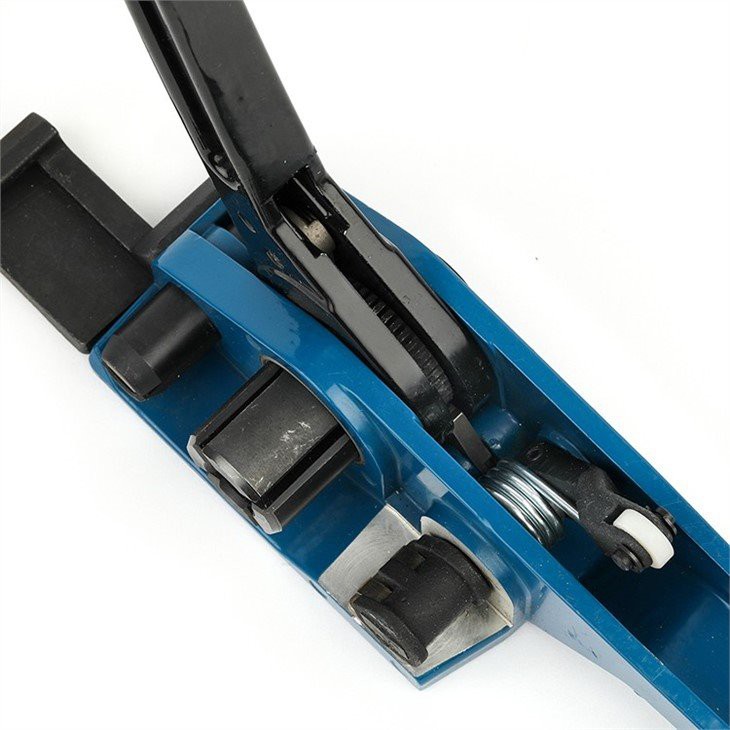
If you are interested in purchasing our Cord Strap Tensioners or have any questions about their safety and operation, please feel free to contact us for more information and to start a procurement discussion.

References
- Industry safety standards for strapping tools
- Manufacturer's manuals for Cord Strap Tensioners