

Hey there! As a supplier of Pneumatic Tensioners, I've seen firsthand how crucial it is to optimize the tensioning process. A well - optimized tensioning process not only ensures the safety and stability of your strapped goods but also boosts efficiency and saves you time and money. In this blog, I'm gonna share some tips on how to optimize the tensioning process with a pneumatic tensioner.
Understanding Your Pneumatic Tensioner
First things first, you gotta understand what a Pneumatic Tensioner is and how it works. A pneumatic tensioner uses compressed air to generate the force needed to tighten straps around your packages or loads. It's a popular choice in many industries because it's powerful, fast, and relatively easy to operate.
When you're using a pneumatic tensioner, the key is to make sure it's compatible with the type of strap you're using. Different straps, like cord straps or plastic straps, have different properties, and your tensioner needs to be able to handle them properly. For example, a Cord Strap Tensioner is specifically designed to work with cord straps, which are often more flexible and have different tension requirements compared to plastic straps. If you're using plastic straps, you might want to consider a Plastic Strapping Tool.
Pre - operation Checks
Before you start tensioning, it's super important to do some pre - operation checks. First, inspect the pneumatic tensioner for any visible damage. Look for cracks in the housing, loose parts, or any signs of wear and tear. A damaged tensioner can not only give you inconsistent tension but also pose a safety risk.
Next, check the air supply. Make sure the air compressor is working properly and that the air pressure is set within the recommended range for your tensioner. If the air pressure is too low, the tensioner won't be able to generate enough force to tighten the strap properly. On the other hand, if it's too high, it could damage the tensioner or the strap.
Also, check the strap itself. Ensure that it's in good condition, without any cuts, frays, or knots. A damaged strap can break during the tensioning process, causing your load to become unsecured.
Proper Strap Placement
The way you place the strap around your load can have a big impact on the tensioning process. First, make sure the strap is centered around the load. If it's off - center, the tension won't be evenly distributed, which can lead to an unstable load.
When you're feeding the strap through the tensioner, follow the manufacturer's instructions carefully. Different tensioners have different ways of feeding the strap, and getting it wrong can result in jams or improper tensioning. For example, some tensioners require you to feed the strap in a specific direction or with a certain amount of slack.
Adjusting the Tension
One of the most important steps in optimizing the tensioning process is adjusting the tension correctly. Most pneumatic tensioners allow you to adjust the tension level according to your needs. You want to find the right balance between too loose and too tight.
If the strap is too loose, your load won't be secure, and it could shift or come apart during transportation. On the other hand, if it's too tight, it could damage the load or the strap itself. The ideal tension depends on the type of load you're strapping and the type of strap you're using. For example, fragile loads might require a lower tension to avoid damage, while heavy or large loads might need a higher tension to keep them stable.
To adjust the tension, you usually have to turn a knob or use a pressure - regulating valve on the tensioner. It might take a few tries to get it just right, so it's a good idea to do some test runs on a similar load before you start strapping all your products.
Maintaining the Tensioner
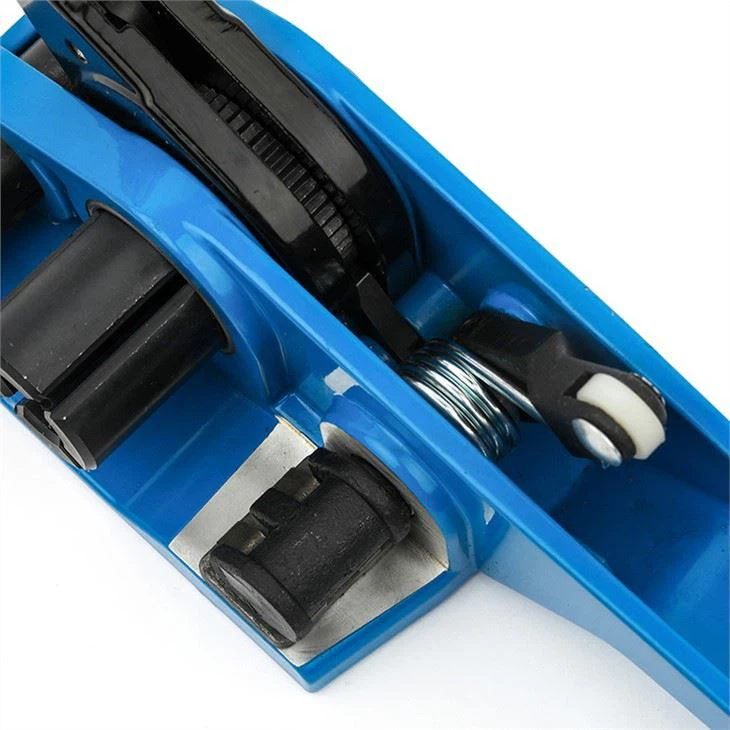
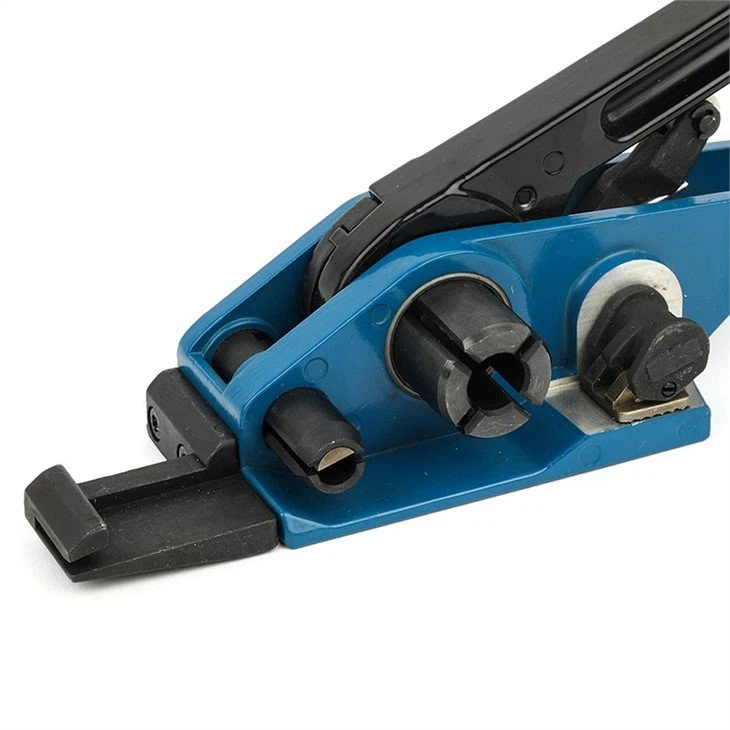
Regular maintenance is key to keeping your pneumatic tensioner in good working condition and optimizing the tensioning process. After each use, clean the tensioner to remove any dirt, debris, or strap residue. This can prevent jams and ensure smooth operation.
Lubricate the moving parts of the tensioner as recommended by the manufacturer. Lubrication reduces friction, which not only makes the tensioner easier to operate but also extends its lifespan.
Also, replace any worn - out parts promptly. Over time, parts like the tensioning wheels, grippers, or seals can wear down, which can affect the performance of the tensioner. By replacing these parts when needed, you can keep the tensioner working at its best.
Training Your Operators
Even if you have the best pneumatic tensioner and follow all the optimization steps, it won't do much good if your operators don't know how to use it properly. That's why it's essential to provide proper training to your staff.
Training should cover everything from the basic operation of the tensioner to pre - operation checks, strap placement, tension adjustment, and maintenance. Make sure your operators understand the importance of following the safety guidelines and the manufacturer's instructions.
You can also encourage your operators to share their experiences and feedback. They might have some practical tips or suggestions for improving the tensioning process based on their day - to - day work.
Troubleshooting Common Issues
Even with the best practices in place, you might still encounter some issues during the tensioning process. Here are some common problems and how to fix them:
Jams: If the strap gets jammed in the tensioner, first turn off the air supply. Then, carefully remove the jammed strap, making sure not to damage the tensioner. Check for any debris or obstructions in the tensioner and clean it if necessary.
Inconsistent Tension: If the tension is inconsistent, check the air pressure, the strap condition, and the tension adjustment settings. Make sure the air pressure is stable and within the recommended range, the strap is in good condition, and the tension adjustment is set correctly.
Strap Breakage: If the strap keeps breaking during tensioning, it could be due to a few reasons. Check the strap for any damage, make sure the tension isn't set too high, and ensure that the tensioner is compatible with the strap.
Conclusion
Optimizing the tensioning process with a pneumatic tensioner is all about understanding the equipment, following best practices, and continuous improvement. By doing pre - operation checks, proper strap placement, adjusting the tension correctly, maintaining the tensioner, training your operators, and troubleshooting issues promptly, you can ensure a more efficient, safe, and reliable tensioning process.
If you're looking to improve your tensioning process or need a high - quality pneumatic tensioner, we're here to help. As a leading supplier of pneumatic tensioners, we offer a wide range of products that are designed to meet your specific needs. Contact us to start a conversation about your requirements and let's work together to find the best solution for you.
References
- Manufacturer's manuals of pneumatic tensioners
- Industry best practices for strapping and tensioning
- Safety guidelines for using pneumatic tools