

When it comes to securing packages, products, or materials, pneumatic banding tools are a reliable and efficient choice. As a leading supplier of pneumatic banding tools, I understand the importance of selecting the right tool for your specific needs. In this blog post, I will guide you through the process of choosing the perfect pneumatic banding tool, ensuring that you make an informed decision that meets your requirements and budget.
Understanding Pneumatic Banding Tools
Pneumatic banding tools are powered by compressed air, making them ideal for high-volume applications. They offer several advantages over manual or electric tools, including increased speed, consistency, and ease of use. These tools are commonly used in industries such as manufacturing, logistics, and shipping, where securing loads quickly and securely is essential.
There are two main types of pneumatic banding tools: tensioners and sealers. Tensioners are used to tighten the band around the load, while sealers are used to join the ends of the band together. Some tools combine both functions, offering a more streamlined and efficient solution.
Factors to Consider When Choosing a Pneumatic Banding Tool
1. Banding Material
The first step in choosing the right pneumatic banding tool is to consider the type of banding material you will be using. The most common materials are polypropylene (PP) and polyester (PET). PP bands are lightweight, flexible, and cost-effective, making them suitable for light to medium-duty applications. PET bands, on the other hand, are stronger, more durable, and resistant to elongation, making them ideal for heavy-duty applications.
When selecting a tool, ensure that it is compatible with the banding material you have chosen. Some tools are designed to work with specific materials, while others offer more versatility.
2. Band Width and Thickness
The width and thickness of the banding material also play a crucial role in determining the right tool for your needs. Different tools are designed to handle different band widths and thicknesses, so it's important to choose a tool that can accommodate the size of the bands you will be using.
For example, if you are using narrow bands for light-duty applications, you may need a tool with a smaller jaw opening. Conversely, if you are using wider bands for heavy-duty applications, you will need a tool with a larger jaw opening and more powerful tensioning capabilities.
3. Tensioning Force
The tensioning force of a pneumatic banding tool refers to the amount of force it can apply to tighten the band around the load. The required tensioning force depends on the type of application and the weight of the load. For light-duty applications, a lower tensioning force may be sufficient, while heavy-duty applications require a higher tensioning force to ensure a secure and tight fit.
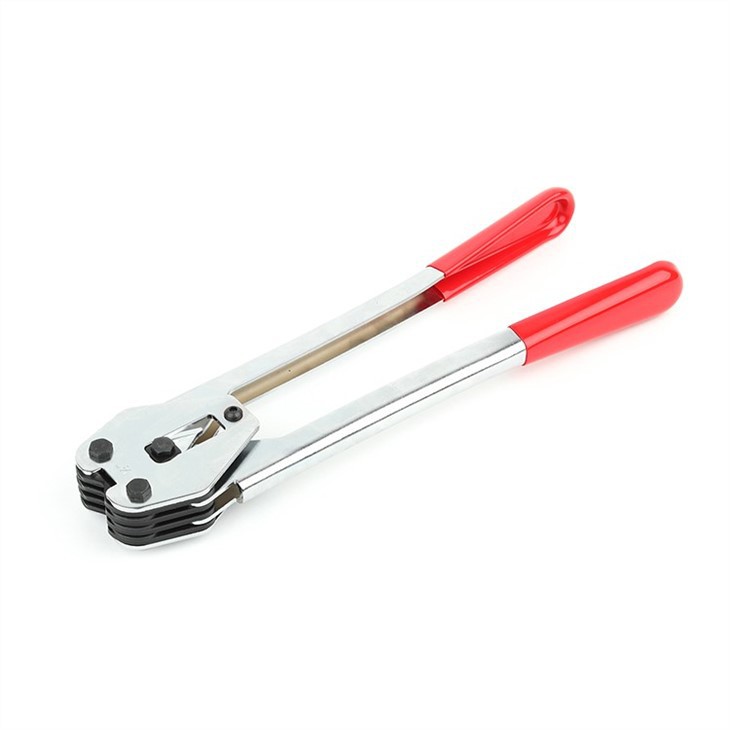

When choosing a tool, consider the maximum tensioning force it can provide and ensure that it meets the requirements of your application. Some tools allow you to adjust the tensioning force, giving you more flexibility and control.
4. Sealing Method
There are several sealing methods available for pneumatic banding tools, including friction welding, heat sealing, and metal seals. Each method has its own advantages and disadvantages, so it's important to choose the one that best suits your needs.
Friction welding is a popular sealing method that uses friction to melt the banding material and create a strong bond. It is fast, reliable, and suitable for both PP and PET bands. Heat sealing, on the other hand, uses heat to melt the banding material and create a seal. It is more precise and offers a stronger bond, but it may require more time and energy.
Metal seals are another option for sealing bands. They are easy to use and provide a secure and reliable seal. However, they may be more expensive and require additional equipment to apply.
5. Ergonomics and Ease of Use
Since pneumatic banding tools are often used for extended periods of time, it's important to choose a tool that is comfortable to hold and easy to operate. Look for tools with ergonomic designs, such as padded handles and lightweight construction, to reduce fatigue and improve productivity.
In addition, consider the ease of maintenance and repair. A tool that is easy to disassemble, clean, and replace parts will save you time and money in the long run.
6. Compatibility with Existing Equipment
If you already have existing pneumatic equipment in your facility, such as air compressors and hoses, it's important to choose a pneumatic banding tool that is compatible with your existing system. Ensure that the tool has the same air pressure requirements and fittings as your other equipment to avoid any compatibility issues.
7. Cost and Budget
Finally, consider the cost and budget when choosing a pneumatic banding tool. While it's important to invest in a high-quality tool that meets your needs, you also need to ensure that it fits within your budget. Compare the prices of different tools and consider the long-term costs, such as maintenance and replacement parts, before making a decision.
Our Product Recommendations
As a supplier of pneumatic banding tools, we offer a wide range of products to meet the needs of different applications. Here are some of our recommended products:
- Poly Banding Tool: This tool is designed for use with polypropylene bands and offers a high level of performance and reliability. It features a lightweight and ergonomic design, making it easy to use for extended periods of time.
- Poly Strapping Sealer: This sealer is specifically designed for polypropylene and polyester bands and uses friction welding to create a strong and secure seal. It is fast, efficient, and easy to operate.
- Banding Sealer: This versatile sealer can be used with both PP and PET bands and offers a range of sealing options, including friction welding and metal seals. It is suitable for a variety of applications and provides a reliable and durable seal.
Contact Us for More Information
Choosing the right pneumatic banding tool is an important decision that can have a significant impact on the efficiency and effectiveness of your packaging operations. If you have any questions or need further assistance in selecting the right tool for your needs, please do not hesitate to contact us. Our team of experts is available to provide you with personalized advice and support to help you make the best choice for your business.
We look forward to working with you and helping you find the perfect pneumatic banding tool for your application.
References
- "Pneumatic Banding Tools: A Guide to Selection and Use." Packaging World.
- "Choosing the Right Strapping Tool for Your Application." Strapping Products, Inc.
- "Pneumatic Banding Tools: How to Choose the Right One." Industrial Packaging.