

Operating a hand strapping tool safely is of utmost importance to prevent accidents and ensure efficient packaging operations. As a trusted Hand Strapping Tool supplier, we understand the significance of providing comprehensive guidance on safe usage. In this blog, we will delve into the key steps and best practices for operating a hand strapping tool safely.
Pre - operation Preparation
Before using a hand strapping tool, it is essential to conduct a thorough inspection. Check the tool for any visible damage, such as cracks in the handle, loose parts, or worn - out components. A damaged tool can malfunction during operation, leading to potential hazards. If you find any issues, refrain from using the tool and contact our support team for assistance.
Select the appropriate strapping material for your application. The type of strapping, whether it is polypropylene (PP) or polyethylene terephthalate (PET), can impact the performance of the tool. Different tools are designed to work optimally with specific strapping materials. Ensure that the width and thickness of the strapping are compatible with the hand strapping tool. For instance, some tools are designed for 1/2 - inch wide strapping, while others can accommodate 3/4 - inch or wider.
Familiarize yourself with the user manual. Each hand strapping tool has its unique features and operating procedures. The manual provides detailed instructions on assembly, adjustment, and maintenance. By reading and understanding the manual, you can avoid common mistakes and ensure the tool is used correctly.
Personal Protective Equipment (PPE)
Wearing the right PPE is a crucial part of safe operation. Safety glasses should be worn to protect your eyes from flying debris, especially when cutting the strapping. Gloves are also recommended to prevent cuts and abrasions on your hands. The sharp edges of the strapping and the cutting mechanism of the tool can cause serious injuries if proper protection is not worn.
If you are working in an environment where there is a risk of falling objects or heavy machinery, consider wearing a hard hat and safety shoes. These additional protective measures can safeguard you from potential workplace hazards.
Loading the Strapping
When loading the strapping into the tool, make sure to follow the correct procedure. First, open the tool's strapping path according to the manufacturer's instructions. Insert the end of the strapping into the designated slot, ensuring that it feeds smoothly through the tool. Avoid kinks or twists in the strapping, as this can cause jams and affect the tool's performance.
Some hand strapping tools have adjustable guides to help keep the strapping in place. Adjust these guides to match the width of the strapping. This will ensure that the strapping is properly aligned during the tensioning and sealing process.
Tensioning the Strapping
The tensioning process is a critical step in securing the load. Place the tool around the package, ensuring that the strapping is positioned evenly around the item. Begin to tension the strapping by operating the tensioning lever or mechanism on the tool. Apply a consistent and even force to achieve the desired tension.
Over - tensioning the strapping can damage the package or cause the strapping to break. Under - tensioning, on the other hand, may result in the strapping coming loose during transit. The ideal tension depends on the size and weight of the package, as well as the type of strapping used. As a general rule, the strapping should be tight enough to hold the package securely but not so tight that it deforms the package.
Sealing the Strapping
Once the desired tension is achieved, it's time to seal the strapping. Different hand strapping tools use various sealing methods, such as friction welding, metal seals, or heat sealing. If your tool uses metal seals, place the seal over the overlapping ends of the strapping and use the tool's sealing mechanism to crimp the seal tightly.
For friction - welded or heat - sealed tools, activate the sealing function according to the instructions. This may involve pressing a button or operating a lever. Ensure that the seal is strong and secure. A weak seal can cause the strapping to come apart, leading to the package being unsecured.
Cutting the Strapping
After the strapping is sealed, use the cutting mechanism of the tool to cut the excess strapping. Before cutting, make sure that your fingers are clear of the cutting area. Apply a firm and steady pressure on the cutting lever to ensure a clean cut. Avoid using excessive force, as this can damage the tool or cause the strapping to fray.
When cutting the strapping, be aware of the direction in which the cut end will fly. Stand clear of the path to prevent any injuries from the sharp end of the cut strapping.
Maintenance and Inspection
Regular maintenance is essential for the safe and efficient operation of the hand strapping tool. Clean the tool after each use to remove any dirt, debris, or residue from the strapping. This helps prevent jams and ensures the tool's moving parts function smoothly.
Inspect the tool regularly for signs of wear and tear. Check the tensioning mechanism, cutting blade, and sealing components. If any parts are worn or damaged, replace them immediately. Using a tool with worn - out parts can compromise its performance and safety.
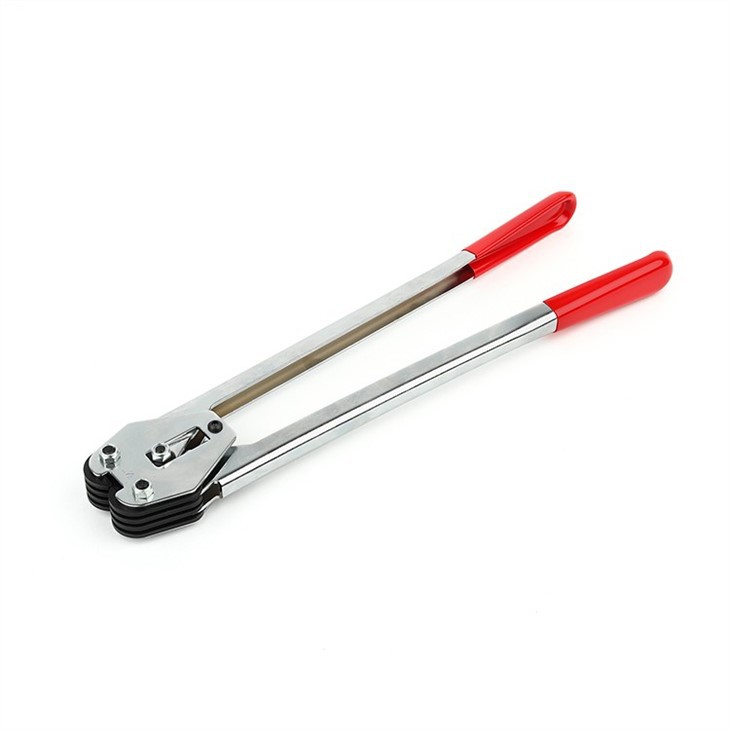

Lubricate the moving parts of the tool as recommended in the user manual. Proper lubrication reduces friction and extends the tool's lifespan. It also helps maintain consistent tensioning and sealing performance.
Troubleshooting
Even with proper use and maintenance, you may encounter some issues with the hand strapping tool. If the tool jams, stop using it immediately. Try to identify the cause of the jam, which could be due to a kink in the strapping, debris in the tool, or a misaligned component. Refer to the user manual for troubleshooting steps or contact our technical support team for assistance.
If the tensioning is inconsistent or the seal is weak, check the tool's adjustment settings. Some tools allow you to adjust the tension and sealing pressure. Make the necessary adjustments according to the package requirements and the type of strapping used.
Advanced Tools and Accessories
As a Hand Strapping Tool supplier, we offer a range of advanced tools and accessories to enhance your packaging operations. The Banding Sealer is a great option for those who need a more efficient and reliable sealing solution. It uses advanced technology to create strong and consistent seals, reducing the risk of strapping failure.
The Strapping Packing Tool Kit provides all the essential tools for your packaging needs in one convenient package. It includes a hand strapping tool, extra seals, and other accessories, making it a cost - effective and practical choice.
The Poly Banding Tool is specifically designed for polypropylene strapping. It offers excellent tensioning and sealing performance, making it suitable for a wide range of applications, from light - duty packaging to heavy - duty industrial use.
Conclusion
Operating a hand strapping tool safely requires attention to detail, proper training, and the use of the right equipment. By following the steps outlined in this blog, you can minimize the risk of accidents and ensure efficient packaging operations.
If you are looking for high - quality hand strapping tools or need more information about our products, we encourage you to contact us for procurement and further discussion. Our team of experts is ready to assist you in finding the best solutions for your packaging needs.
References
- Manufacturer's user manuals for hand strapping tools
- Industry standards for packaging and strapping safety