

In the realm of healthcare, the safe and efficient packing of medical supplies is of utmost importance. As a leading supplier of packing accessories, I understand the unique challenges and requirements associated with packing medical items. This blog post aims to explore the various packing accessories available for packing medical supplies and how they contribute to the overall safety and integrity of these critical products.
The Importance of Proper Packing for Medical Supplies
Medical supplies are often delicate, sensitive, and require strict adherence to hygiene and safety standards. Improper packing can lead to damage, contamination, or expiration of these supplies, which can have serious consequences for patient care. Therefore, using the right packing accessories is essential to ensure that medical supplies are protected during storage, transportation, and handling.

One of the primary concerns when packing medical supplies is maintaining their sterility. Many medical products, such as surgical instruments, syringes, and dressings, need to be kept in a sterile environment to prevent the spread of infections. Packing accessories like sterile pouches, wraps, and containers are designed to provide a barrier against bacteria, dust, and other contaminants, helping to preserve the sterility of the supplies.
Another important aspect of packing medical supplies is protecting them from physical damage. Medical equipment can be fragile and expensive, and any damage during transit can result in significant financial losses and disruptions to healthcare services. Packing materials such as foam inserts, bubble wrap, and shock-absorbing packaging can help cushion the supplies and prevent them from being damaged by impacts, vibrations, or rough handling.
Types of Packing Accessories for Medical Supplies
There are a wide variety of packing accessories available for packing medical supplies, each designed to meet specific needs and requirements. Here are some of the most common types of packing accessories used in the healthcare industry:
Sterile Pouches and Wraps
Sterile pouches and wraps are made from materials that are resistant to bacteria and other contaminants. They are used to package individual medical items or groups of items, providing a protective barrier that helps maintain their sterility. These pouches and wraps are available in various sizes and shapes, and can be sealed using heat, pressure, or adhesive to ensure a secure closure.
Containers and Cases
Containers and cases are used to store and transport larger medical supplies, such as equipment, instruments, and medications. They come in a variety of materials, including plastic, metal, and wood, and can be designed to be stackable, portable, or tamper-evident. Some containers and cases also feature specialized compartments or inserts to organize and protect the supplies.
Strapping and Banding
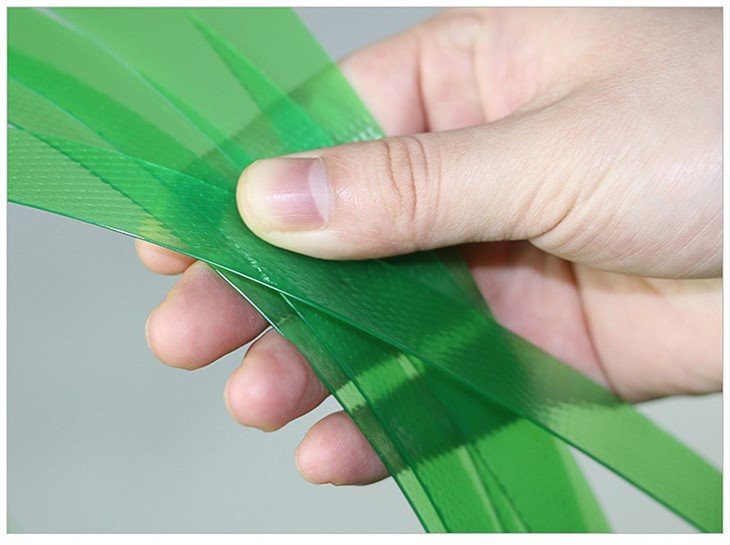
Strapping Dispensers and Strapping PET are used to secure and bundle medical supplies together, preventing them from shifting or moving during transportation. Strapping can be made from materials such as plastic, steel, or polyester, and can be applied using manual or automatic dispensers. Banding is a similar method that uses flexible bands to hold items together.
Cushioning Materials
Cushioning materials, such as foam inserts, bubble wrap, and packing peanuts, are used to protect medical supplies from physical damage. These materials help absorb shocks and vibrations, reducing the risk of breakage or damage during transit. Foam inserts can be custom-cut to fit the shape of the supplies, providing a snug and secure fit.
Labels and Tags
Labels and tags are used to identify and provide information about the medical supplies. They can include details such as the name of the product, its expiration date, storage instructions, and handling precautions. Labels and tags can be printed on paper, plastic, or metal, and can be attached to the packaging using adhesive, ties, or clips.
Choosing the Right Packing Accessories for Medical Supplies
When choosing packing accessories for medical supplies, it is important to consider several factors, including the type of supplies being packed, the mode of transportation, and the storage conditions. Here are some tips to help you choose the right packing accessories:
Consider the Sterility Requirements
If the medical supplies need to be kept sterile, choose packing accessories that are designed to provide a sterile environment. Look for products that are labeled as sterile or have been tested and certified to meet the relevant standards.
Evaluate the Protection Needs
Assess the level of protection required for the medical supplies. Consider factors such as the fragility of the items, the potential for damage during transit, and the environmental conditions they will be exposed to. Choose packing accessories that offer adequate cushioning and protection.
Ensure Compatibility
Make sure that the packing accessories are compatible with the medical supplies. Some materials may react with certain chemicals or medications, so it is important to choose products that are safe and suitable for the specific items being packed.
Check the Size and Shape
Select packing accessories that are the right size and shape for the medical supplies. Ill-fitting packaging can lead to damage or contamination, so it is important to choose products that provide a snug and secure fit.
Consider the Cost and Availability
Finally, consider the cost and availability of the packing accessories. Look for products that offer good value for money and are readily available from reliable suppliers.
Conclusion
In conclusion, there are a wide variety of packing accessories available for packing medical supplies, each designed to meet specific needs and requirements. By choosing the right packing accessories, healthcare providers can ensure that their medical supplies are protected during storage, transportation, and handling, helping to maintain their safety and integrity.
As a supplier of packing accessories, I am committed to providing high-quality products that meet the strict standards of the healthcare industry. If you are in need of packing accessories for your medical supplies, I encourage you to contact me to discuss your specific requirements. I would be happy to provide you with more information and help you choose the right products for your needs.
References
- "Packaging for Medical Devices: A Guide to Best Practices." Medical Device and Diagnostic Industry, 2023.
- "Sterile Packaging for Medical Products: Principles and Practices." Journal of Healthcare Packaging, 2022.
- "Transportation Packaging for Medical Supplies: Design and Testing Considerations." Packaging Technology and Science, 2021.