

A strapping sealer tool is an indispensable device in the packaging industry, enabling efficient and secure bundling of items. Over time, the blade in a strapping sealer tool can become dull or damaged, necessitating replacement. As a reputable supplier of strapping sealer tools, I understand the importance of guiding users through the process of installing a new blade. In this blog post, I will provide a detailed step-by-step guide on how to install a new blade in a strapping sealer tool, ensuring that your packaging operations run smoothly and efficiently.
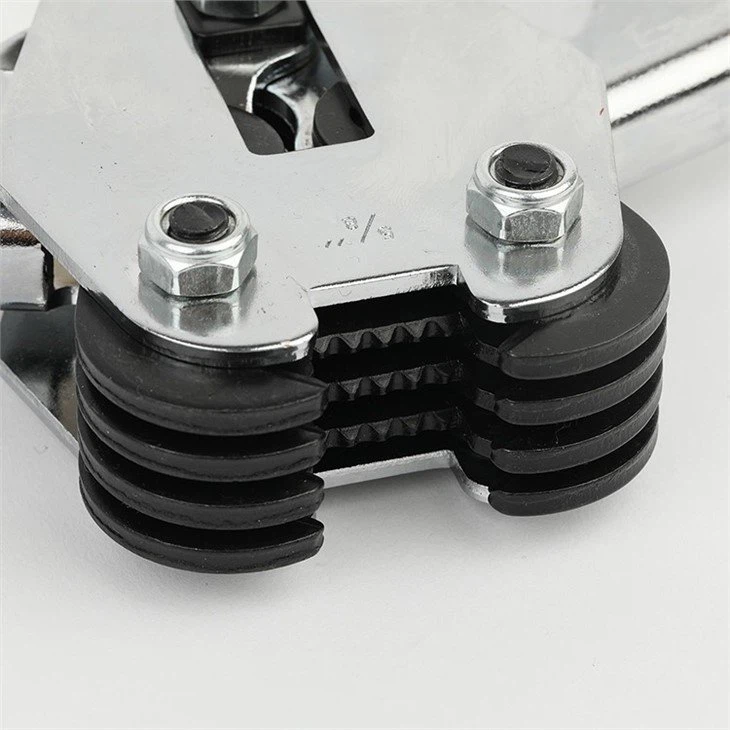

Step 1: Gather the Necessary Tools and Materials
Before you begin the blade installation process, it is essential to gather all the necessary tools and materials. Here's a list of items you will need:
- New Blade: Ensure that you have the correct replacement blade for your specific strapping sealer tool model. You can find a wide range of compatible blades in our Strapping Tool Kit.
- Screwdriver: Depending on the design of your strapping sealer tool, you may need a Phillips or flathead screwdriver to remove and install screws.
- Cleaning Cloth: A clean, dry cloth will be useful for wiping down the tool and removing any debris or residue.
Step 2: Prepare the Strapping Sealer Tool
Before installing the new blade, it is crucial to prepare the strapping sealer tool properly. Follow these steps:
- Power Off the Tool: If your strapping sealer tool is powered by electricity or a battery, ensure that it is turned off and disconnected from the power source to prevent any accidental injuries.
- Remove the Old Blade: Locate the blade housing on your strapping sealer tool. This is typically located near the cutting area. Use the screwdriver to remove the screws holding the blade in place. Carefully lift out the old blade and set it aside.
- Clean the Blade Housing: Use the cleaning cloth to wipe down the blade housing, removing any dirt, debris, or strapping residue. This will ensure a clean surface for the new blade installation and prevent any interference with the blade's operation.
Step 3: Install the New Blade
Once the strapping sealer tool is prepared, it's time to install the new blade. Follow these steps:
- Align the New Blade: Carefully align the new blade with the blade housing, ensuring that it fits snugly and is properly seated. Make sure that the cutting edge of the blade is facing in the correct direction.
- Secure the Blade: Place the screws back into the screw holes and tighten them using the screwdriver. Be careful not to overtighten the screws, as this may damage the blade or the tool.
- Test the Blade: After installing the new blade, perform a quick test to ensure that it is functioning correctly. Turn on the strapping sealer tool (if applicable) and feed a short length of strapping through the tool. Activate the cutting mechanism to check if the blade cuts through the strapping cleanly and smoothly. If you encounter any issues, such as uneven cuts or difficulty cutting, double-check the blade installation and make any necessary adjustments.
Step 4: Perform a Final Check
After testing the blade, it's important to perform a final check to ensure that everything is in order. Follow these steps:
- Inspect the Blade Installation: Visually inspect the blade installation to ensure that the blade is securely fastened and properly aligned. Check for any signs of damage or misalignment.
- Clean the Tool: Use the cleaning cloth to wipe down the entire strapping sealer tool, removing any fingerprints or debris. This will help maintain the tool's appearance and performance.
- Store the Old Blade Safely: Dispose of the old blade safely, following proper safety procedures. You may want to keep the old blade as a spare or for reference purposes.
Step 5: Maintenance Tips for Your Strapping Sealer Tool
To ensure the longevity and optimal performance of your strapping sealer tool, it is important to follow these maintenance tips:
- Regular Cleaning: Clean the strapping sealer tool regularly to remove any dirt, debris, or strapping residue. This will prevent the build-up of contaminants that can affect the tool's performance.
- Lubrication: Apply a small amount of lubricant to the moving parts of the strapping sealer tool, such as the blade housing and cutting mechanism, to reduce friction and wear.
- Blade Replacement: Replace the blade regularly, depending on the frequency of use and the type of strapping material. A dull or damaged blade can cause poor cutting performance and may even damage the tool.
- Storage: Store the strapping sealer tool in a clean, dry place when not in use. This will protect the tool from damage and ensure its longevity.
Conclusion
Installing a new blade in a strapping sealer tool is a relatively simple process that can be completed with a few basic tools and some careful attention to detail. By following the steps outlined in this blog post, you can ensure that your strapping sealer tool is equipped with a sharp, reliable blade that will provide efficient and precise cutting performance. As a leading supplier of strapping sealer tools and accessories, we offer a wide range of high-quality products, including Box Strapping Hand Tools and Banding Tensioner Tool, to meet your packaging needs. If you have any questions or need further assistance with blade installation or tool maintenance, please don't hesitate to contact us. We are here to help you achieve the best results in your packaging operations.
References
- Packaging Machinery Manufacturers Institute (PMMI). (n.d.). Strapping Equipment Handbook.
- Packaging Digest. (n.d.). Best Practices for Strapping Tool Maintenance.