

Adjusting the tension of a manual strapping tool is a crucial skill that can significantly impact the efficiency and effectiveness of your packaging operations. As a supplier of high-quality manual strapping tools, I understand the importance of getting the tension just right. In this blog post, I'll share some practical tips and techniques on how to adjust the tension of a manual strapping tool to ensure optimal performance.
Understanding the Basics of Tension in Strapping
Before we dive into the adjustment process, it's essential to understand what tension means in the context of strapping. Tension refers to the amount of force applied to the strapping material to hold the package securely together. Too little tension, and the strapping may not hold the package tightly, leading to shifting or damage during transit. On the other hand, too much tension can cause the strapping to break or damage the package itself.

The ideal tension for your strapping depends on several factors, including the type of package, the strapping material, and the shipping conditions. For example, heavier packages may require higher tension, while fragile items may need a more gentle touch. It's also important to consider the type of strapping material you're using, as different materials have different strength and stretch characteristics.
Tools You'll Need
To adjust the tension of a manual strapping tool, you'll need a few basic tools:
- Manual Strapping Tool: Of course, you'll need a reliable manual strapping tool. Our Manual Strapping Tool is designed for ease of use and precise tension adjustment.
- Strapping Material: Choose the appropriate strapping material for your application. Common options include polypropylene, polyester, and steel strapping.
- Scissors or a Strapping Cutter: You'll need a tool to cut the strapping material to the desired length.
- Tension Gauge (Optional): A tension gauge can be a useful tool for measuring the exact tension applied to the strapping. While not essential, it can help you achieve more consistent results.
Step-by-Step Guide to Adjusting Tension
Now that you have the necessary tools, let's walk through the process of adjusting the tension of a manual strapping tool:
- Prepare the Strapping: Cut the strapping material to the appropriate length, leaving enough extra to wrap around the package and secure it.
- Load the Strapping: Insert the strapping into the manual strapping tool according to the manufacturer's instructions. Make sure the strapping is properly aligned and feeding smoothly through the tool.
- Position the Tool: Place the manual strapping tool around the package, with the strapping positioned where you want it to be.
- Adjust the Tension Setting: Most manual strapping tools have a tension adjustment knob or lever. Turn the knob or move the lever to increase or decrease the tension. Start with a low tension setting and gradually increase it until you achieve the desired level of tightness.
- Apply Tension: Squeeze the handles of the manual strapping tool to apply tension to the strapping. As you squeeze, the tool will pull the strapping tight around the package.
- Check the Tension: Use your hands to feel the tightness of the strapping. It should be firm but not overly tight. If the strapping feels too loose, increase the tension setting and repeat steps 5 and 6. If it feels too tight, decrease the tension setting and try again.
- Seal the Strapping: Once you've achieved the desired tension, use the sealing mechanism on the manual strapping tool to secure the strapping in place. This may involve using a buckle, heat seal, or other sealing method, depending on the type of tool and strapping material you're using.
- Cut the Strapping: Use scissors or a strapping cutter to trim the excess strapping. Make sure to cut the strapping close to the seal to ensure a clean finish.
Tips for Optimal Tension Adjustment
Here are some additional tips to help you adjust the tension of a manual strapping tool more effectively:
- Practice Makes Perfect: Adjusting the tension of a manual strapping tool takes practice. Don't be afraid to experiment with different tension settings and techniques to find what works best for your application.
- Use a Tension Gauge: If you need to achieve precise tension levels, consider using a tension gauge. This can help you ensure consistency and accuracy in your strapping operations.
- Consider the Package Size and Shape: The size and shape of the package can affect the tension required. Larger or irregularly shaped packages may require more tension to hold them securely.
- Check the Strapping Material: Different strapping materials have different stretch and strength characteristics. Make sure you're using the appropriate material for your application and adjust the tension accordingly.
- Maintain Your Tool: Regularly clean and lubricate your manual strapping tool to ensure optimal performance. A well-maintained tool will be easier to use and provide more consistent tension results.
Troubleshooting Common Tension Issues
Even with the best techniques, you may encounter some common tension issues when using a manual strapping tool. Here are some solutions to help you troubleshoot these problems:
- Insufficient Tension: If the strapping is too loose, try increasing the tension setting on the tool. Make sure you're applying enough force when squeezing the handles to pull the strapping tight.
- Excessive Tension: If the strapping is too tight, decrease the tension setting and try again. You may also need to check the package for any obstructions or uneven surfaces that could be causing the excessive tension.
- Inconsistent Tension: If you're experiencing inconsistent tension, check the tool for any signs of wear or damage. Make sure the strapping is feeding smoothly through the tool and that the tension adjustment mechanism is working properly.
- Difficulty Applying Tension: If you're having trouble applying tension to the strapping, make sure the tool is properly loaded and that the strapping is not tangled or jammed. You may also need to check the tension adjustment mechanism for any blockages or malfunctions.
Conclusion
Adjusting the tension of a manual strapping tool is a skill that can be mastered with practice and patience. By following the steps outlined in this blog post and using the tips and techniques provided, you can ensure that your strapping operations are efficient, effective, and reliable.
At our company, we're committed to providing high-quality manual strapping tools and exceptional customer service. If you have any questions or need further assistance with adjusting the tension of your manual strapping tool, please don't hesitate to contact us. We're here to help you find the right solution for your packaging needs.
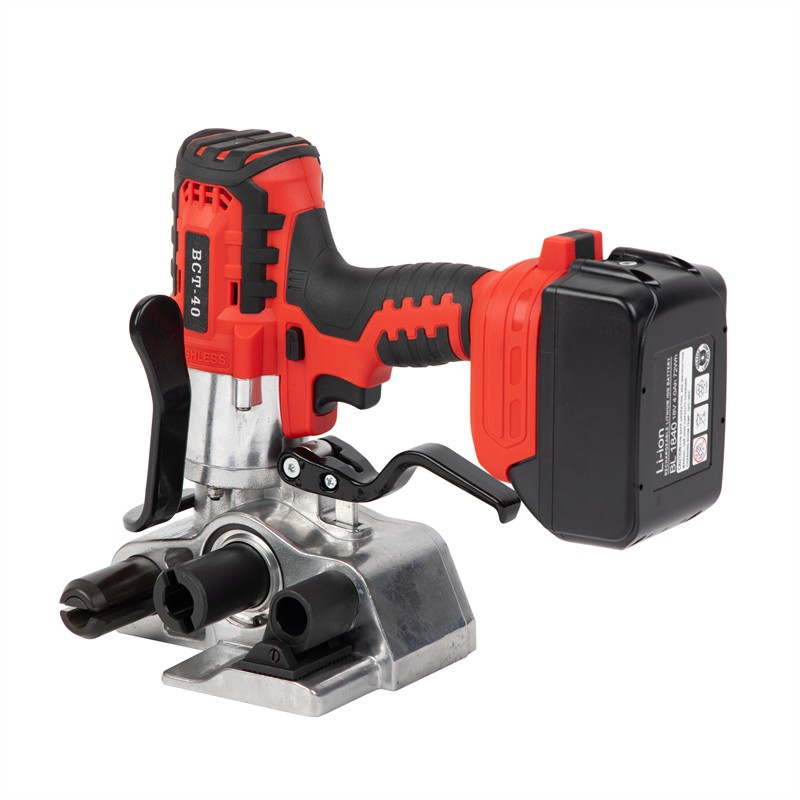
Whether you're looking for a Manual Strapping Tensioner or a BCT40 Battery Operated Strapping Machine For Cord Strapping 40mm, we have the products and expertise to meet your requirements. Contact us today to learn more about our manual strapping tools and how they can benefit your business.
References
- Packaging Machinery Manufacturers Institute (PMMI). (2023). Best Practices for Strapping. Retrieved from [PMMI Website]
- Strapping Industries Association (SIA). (2023). Strapping Handbook. Retrieved from [SIA Website]