

As a supplier of Hand Strapping Tools, I've witnessed firsthand the evolution of these essential devices and the crucial role they play in various industries. Among the many components that make up a hand strapping tool, the sealing mechanism stands out as a linchpin that determines the tool's efficiency, reliability, and overall performance. In this blog post, I'll delve into the intricacies of the sealing mechanism in a hand strapping tool, exploring its functions, types, and significance in the strapping process.
Understanding the Fundamentals of the Sealing Mechanism
At its core, the sealing mechanism in a hand strapping tool is responsible for joining two ends of a strap together to create a secure and durable closure around a package or pallet. This process is essential for ensuring that the items being strapped remain intact during storage and transportation, preventing damage, shifting, and loss. The sealing mechanism works by applying pressure, heat, or a combination of both to the overlapping ends of the strap, fusing them together to form a strong bond.
Types of Sealing Mechanisms
There are several types of sealing mechanisms commonly used in hand strapping tools, each with its own unique advantages and applications. The most prevalent types include friction weld sealing, heat seal sealing, and buckle sealing.
Friction Weld Sealing
Friction weld sealing is a widely used method in hand strapping tools, particularly for plastic straps such as polypropylene (PP) and polyester (PET). This mechanism works by creating friction between the two overlapping ends of the strap through a series of rapidly rotating wheels or rollers. As the wheels rotate, they generate heat, which melts the surface of the strap. The pressure applied by the wheels then fuses the molten plastic together, creating a strong and secure seal.
Friction weld sealing offers several benefits, including fast sealing times, high seal strength, and compatibility with a wide range of strap materials. It is also a cost-effective solution, making it a popular choice for many industries. However, this method requires a certain level of skill and experience to operate effectively, as improper technique can result in weak or inconsistent seals.
Heat Seal Sealing
Heat seal sealing is another common method used in hand strapping tools, especially for applications that require a high level of seal integrity. This mechanism works by applying heat to the overlapping ends of the strap using a heating element. The heat softens the plastic, allowing it to be pressed together to form a seal. Once the seal has cooled, it becomes strong and durable.
Heat seal sealing offers several advantages, including excellent seal strength, consistent results, and the ability to seal a variety of strap materials. It is also a relatively simple and easy-to-use method, making it suitable for a wide range of users. However, heat seal sealing requires a power source, which can limit its portability and flexibility.
Buckle Sealing
Buckle sealing is a traditional method of joining straps together that involves using a metal or plastic buckle to secure the overlapping ends of the strap. This mechanism works by threading the strap through the buckle and then tightening it to create a secure closure. Buckle sealing is a simple and cost-effective method that is suitable for a variety of applications, including light-duty strapping and temporary bundling.
Buckle sealing offers several benefits, including ease of use, versatility, and the ability to adjust the tension of the strap. It is also a reusable method, making it a sustainable option for many industries. However, buckle sealing may not provide the same level of seal strength as friction weld or heat seal sealing, and it can be more time-consuming to apply.
The Significance of the Sealing Mechanism in the Strapping Process
The sealing mechanism plays a crucial role in the overall performance and effectiveness of a hand strapping tool. A reliable and efficient sealing mechanism ensures that the straps are securely fastened, preventing the package or pallet from coming loose during handling and transportation. This not only protects the contents of the package but also reduces the risk of accidents and injuries in the workplace.
In addition to providing a secure closure, the sealing mechanism also affects the speed and efficiency of the strapping process. A fast and reliable sealing mechanism can significantly increase productivity, allowing users to strap more packages in less time. This is particularly important in high-volume applications where time is of the essence.
Furthermore, the sealing mechanism can impact the quality and appearance of the finished package. A well-sealed strap not only looks professional but also provides a more secure and stable hold. This can enhance the overall presentation of the package and improve customer satisfaction.
Choosing the Right Sealing Mechanism for Your Application
When selecting a hand strapping tool, it is important to consider the specific requirements of your application and choose a sealing mechanism that is best suited to your needs. Factors to consider include the type of strap material, the size and weight of the package, the required level of seal strength, and the frequency of use.
For applications that require a high level of seal strength and reliability, such as heavy-duty strapping or long-term storage, friction weld or heat seal sealing may be the best option. These methods offer excellent seal integrity and can withstand the rigors of transportation and handling.
On the other hand, if you need a simple and cost-effective solution for light-duty strapping or temporary bundling, buckle sealing may be sufficient. This method is easy to use and does not require any special equipment or training.

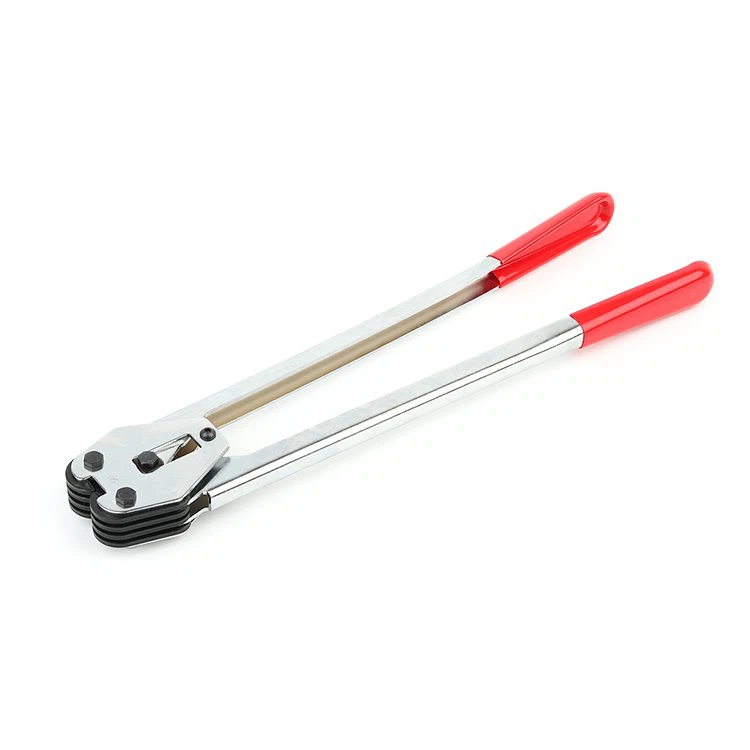
Ultimately, the choice of sealing mechanism will depend on your specific requirements and preferences. As a supplier of Hand Strapping Tools, I am always available to provide advice and guidance on selecting the right tool and sealing mechanism for your application.
Conclusion
In conclusion, the sealing mechanism is a critical component of a hand strapping tool that plays a vital role in ensuring the secure and efficient strapping of packages and pallets. Whether you choose friction weld sealing, heat seal sealing, or buckle sealing, it is important to select a high-quality tool that is designed to meet the specific requirements of your application. By understanding the functions, types, and significance of the sealing mechanism, you can make an informed decision and choose a tool that will provide reliable performance and long-lasting results.
If you are interested in learning more about our Hand Strapping Tool or other Plastic Banding Tool products, or if you have any questions or concerns about the sealing mechanism or the strapping process, please don't hesitate to contact us. We are here to help you find the right solution for your needs and to provide you with the support and expertise you need to succeed.
References
- Packaging Machinery Manufacturers Institute. (n.d.). Strapping Equipment. Retrieved from [Website URL]
- Smith, J. (2018). The Complete Guide to Strapping Tools. Packaging World.
- Wilson, A. (2019). Understanding the Different Types of Strapping Seals. Industrial Packaging.