

Hey there! As a supplier of Strapping Dispensers, I often get asked about the best storage conditions for these handy tools. It's not just about tossing them in a corner and forgetting. Proper storage can significantly extend the lifespan of your strapping dispenser and ensure it works like a charm whenever you need it. So, let's dive right into what you should know.
Temperature Matters
First off, temperature plays a huge role in storing your strapping dispenser. Extreme temperatures can mess with the dispenser's components. If it's too hot, the plastic parts might start to warp or become brittle. On the flip side, freezing temperatures can make the metal parts more prone to cracking and the moving parts might not work as smoothly.
Ideally, you want to store your dispenser in an environment where the temperature stays between 50°F and 80°F (10°C - 27°C). This range is kind of like the Goldilocks zone for your dispenser – not too hot, not too cold, but just right. Most warehouses and indoor storage areas can maintain this temperature range, so if you're keeping your dispenser inside, you're off to a good start.
Humidity Can Be a Hassle
Humidity is another factor that can cause problems for your strapping dispenser. High humidity levels can lead to rust on the metal parts of the dispenser. Rust not only looks bad but can also affect the functionality of the dispenser. It can make the moving parts sticky and reduce the overall efficiency of the tool.
To avoid this, aim for a humidity level between 30% and 50%. If you're in an area with high humidity, you might want to use a dehumidifier in the storage area. It doesn't have to be a huge industrial one; a small, portable dehumidifier can do the trick for a storage closet or a small room.
Keep It Clean and Dry
When you're storing your strapping dispenser, it's crucial to keep it clean and dry. Before you put it away, make sure to wipe it down with a clean, dry cloth. This helps remove any dust, dirt, or debris that might have accumulated during use. If there are any sticky residues from the Strapping PET, you can use a mild cleaner to get rid of them. Just make sure to dry the dispenser thoroughly afterward.
Also, avoid storing the dispenser in a place where it can get wet. Water can cause all sorts of problems, from rusting the metal parts to damaging the electrical components if it's an electric dispenser. If you're using the dispenser outdoors and it gets rained on, dry it off as soon as possible and then store it in a dry place.
Protect It from Physical Damage
Your strapping dispenser is a piece of equipment that needs to be handled with care. When storing it, make sure it's not in a place where it can be knocked over or bumped into. You can use a storage rack or a cabinet to keep it safe. If you're storing multiple dispensers, make sure they're not stacked on top of each other in a way that could cause damage.
If your dispenser has any delicate parts, like sensors or switches, you might want to consider using a protective cover. There are many aftermarket covers available that can help shield your dispenser from scratches and other physical damage.
Proper Strapping Storage
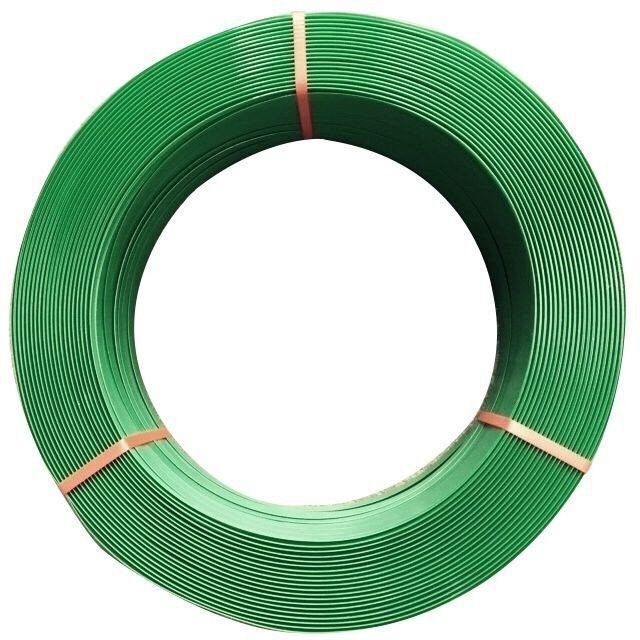
If you're storing the dispenser with the strapping still on it, there are a few things to keep in mind. First, make sure the strapping is wound tightly and evenly on the dispenser. Loose or unevenly wound strapping can cause jams and other issues when you use the dispenser next time.
Also, store the dispenser in a way that the strapping doesn't get kinked or twisted. Kinked strapping can be a real pain to work with and might even damage the dispenser. If possible, store the dispenser in an upright position to keep the strapping in good condition.
Check on It Regularly
Even if you're storing your strapping dispenser under the best conditions, it's a good idea to check on it regularly. Every few weeks, take a quick look at the dispenser to make sure there are no signs of damage or rust. If you notice any issues, address them right away.
Regular maintenance checks can help you catch problems early and prevent them from getting worse. You can also use this opportunity to lubricate the moving parts if necessary. Just a little bit of lubricant can go a long way in keeping your dispenser running smoothly.
Conclusion
So, there you have it – the recommended storage conditions for a strapping dispenser. By keeping the temperature and humidity in check, keeping the dispenser clean and dry, protecting it from physical damage, and storing the strapping properly, you can ensure that your dispenser lasts for a long time and performs at its best.
If you're in the market for a new strapping dispenser or have any questions about storage or maintenance, don't hesitate to reach out. We're here to help you make the most of your packaging equipment. Whether you're a small business owner or part of a large corporation, we've got the right strapping dispenser for your needs.
References
- Packaging Equipment Maintenance Guide
- Strapping Dispenser Manufacturer's Manuals