

As a supplier of strapping sealer tools, I often get asked about the power consumption of these nifty little devices. It's a valid question, especially for businesses looking to manage their energy costs and pick up an eco - friendly approach. In this blog, I'll break down what affects the power consumption of an electric strapping sealer tool and how you can estimate it for your specific needs.
Let's start with the basics. An electric strapping sealer tool is a must - have in packaging and shipping industries. They're used for quickly and securely sealing plastic straps around boxes, pallets, and other items. There are different types of strapping tools, like the Banding Sealer, Pneumatic Plastic Strapping Tool, and Pneumatic Pp Pet Strapping Machine, but we're focusing on the electric ones here.
The power consumption of an electric strapping sealer tool depends on several factors. First off is the tool's motor. Just like in a car engine, a more powerful motor generally consumes more electricity. High - end electric strapping sealer tools often come with motors that can generate a lot of force to seal thick and tough plastic straps. These motors need more electrical power to operate. For example, a tool designed to seal heavy - duty PET straps might have a motor with a high wattage rating, say 500 watts or more. On the other hand, a tool for lighter PP straps might have a 200 - 300 watt motor.
Another factor is the operation mode. Some electric strapping sealer tools have a continuous operation mode, while others are designed for intermittent use. In continuous operation mode, the tool is running almost constantly, which obviously means higher power consumption. For instance, if you have a busy shipping line where boxes are constantly being strapped, and the tool is working non - stop, it'll draw a significant amount of electricity over time. But with intermittent use, like in a small warehouse where you only need to strap a few boxes now and then, the power consumption will be much lower.
The frequency of use also matters. If you use the tool multiple times a minute, it'll consume more power compared to using it only once every few minutes. Additionally, the time it takes for the tool to complete a strapping cycle affects the power consumption. Tools with faster cycle times might draw more power during that short burst of operation to achieve quick sealing.
Now, let's talk about how you can estimate the power consumption of your electric strapping sealer tool. The power rating of the tool, measured in watts (W), is usually provided by the manufacturer. You can find it on the tool itself or in the user manual. To calculate the energy consumption, you need to know how long you're using the tool. Let's say you have a tool with a power rating of 300 W and you use it for 1 hour. The energy consumption can be calculated using the formula: Energy (in watt - hours) = Power (in watts) × Time (in hours). So, in this case, it would be 300 W × 1 hour = 300 watt - hours.
To convert this to kilowatt - hours (kWh), which is how electricity is usually billed, you just divide by 1000. So, 300 watt - hours is 0.3 kWh. If your electricity rate is, say, $0.15 per kWh, then the cost of using this tool for 1 hour would be 0.3 kWh × $0.15/kWh = $0.045.
It's also important to note that modern electric strapping sealer tools are becoming more energy - efficient. Manufacturers are constantly working on improving the design of the motors and the overall circuitry to reduce power consumption without sacrificing performance. For example, some tools now have features like automatic shut - off when not in use for a certain period. This helps save electricity and extends the life of the tool's components.
If you're in the market for an electric strapping sealer tool, you should consider these power consumption factors. A more energy - efficient tool might cost a bit more upfront, but it can save you money in the long run on electricity bills. Also, from an environmental perspective, using a tool that consumes less power is a great step towards reducing your carbon footprint.
As a supplier, I've seen a wide range of customers with different needs. Some are small businesses looking for a cost - effective and energy - efficient tool for occasional use. Others are large corporations that need heavy - duty, high - powered tools for continuous operation on large - scale production lines. No matter your requirements, we have a variety of electric strapping sealer tools to meet them.

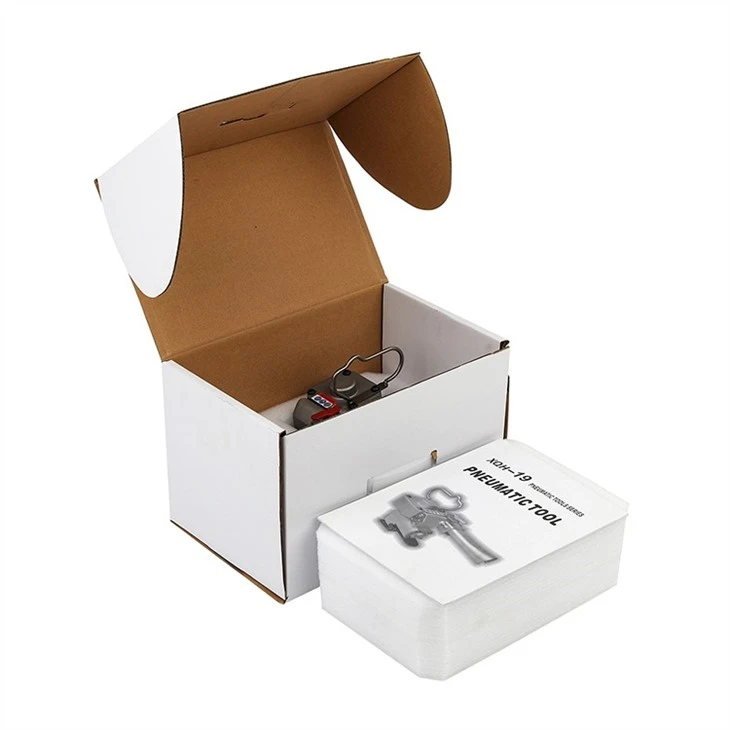
If you're interested in learning more about our electric strapping sealer tools or want to discuss your specific needs, feel free to get in touch. We can provide you with detailed information on power consumption, tool specifications, and pricing. Whether you're a start - up or an established industry player, we're here to help you make the right choice for your packaging and shipping needs.
In summary, the power consumption of an electric strapping sealer tool is influenced by factors like the motor power, operation mode, frequency of use, and cycle time. By understanding these factors, you can estimate the energy consumption and make an informed decision when purchasing a tool. We're committed to providing high - quality, energy - efficient tools to our customers. So, if you're in the market for a reliable electric strapping sealer tool, reach out to us for a no - obligation discussion.
References:
- Manufacturer's product manuals for electric strapping sealer tools
- Industry reports on energy efficiency in packaging machinery