

As a reputable supplier of pneumatic tensioners, I often encounter inquiries from customers regarding the maximum tension these devices can provide. Understanding the maximum tension capacity of a pneumatic tensioner is crucial for various industries that rely on secure strapping and bundling. In this blog post, we will delve into the factors influencing the maximum tension of pneumatic tensioners, explore the practical implications, and provide insights to help you make informed decisions for your strapping needs.
Factors Affecting the Maximum Tension of Pneumatic Tensioners
Air Pressure
The air pressure supplied to the pneumatic tensioner is a primary determinant of its maximum tension capacity. Pneumatic tensioners operate by converting compressed air into mechanical force, which is then used to tension the strapping material. As the air pressure increases, the force exerted by the tensioner also increases, allowing for higher tension levels. However, it is important to note that there are limits to the air pressure that a tensioner can safely handle. Exceeding the recommended air pressure can lead to premature wear and tear, damage to the tensioner, and potential safety hazards. Most pneumatic tensioners are designed to operate within a specific air pressure range, typically between 80 and 120 psi (pounds per square inch).
Strapping Material
The type and properties of the strapping material used also play a significant role in determining the maximum tension that a pneumatic tensioner can provide. Different strapping materials, such as polyester, polypropylene, and steel, have varying tensile strengths and elongation characteristics. For instance, polyester strapping is known for its high tensile strength and low elongation, making it suitable for applications that require high tension levels. On the other hand, polypropylene strapping is more flexible and has a lower tensile strength, which may limit the maximum tension that can be achieved. Additionally, the width and thickness of the strapping material can affect the tensioning process. Wider and thicker strapping materials generally require more force to tension, which may reduce the maximum tension capacity of the pneumatic tensioner.

Tensioner Design and Construction
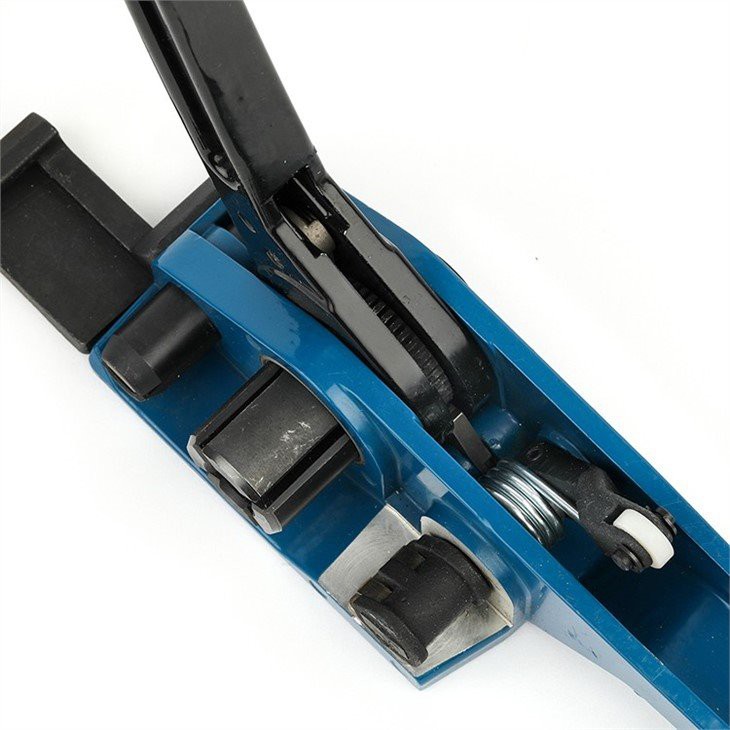
The design and construction of the pneumatic tensioner itself can impact its maximum tension capacity. Factors such as the size and power of the air motor, the efficiency of the tensioning mechanism, and the quality of the components used all contribute to the overall performance of the tensioner. High-quality pneumatic tensioners are typically designed with robust air motors and efficient tensioning mechanisms that can generate higher tension levels. Additionally, the use of durable materials and precision engineering ensures that the tensioner can withstand the rigors of continuous use and provide consistent performance over time.
Operator Skill and Technique
The skill and technique of the operator can also influence the maximum tension that a pneumatic tensioner can achieve. Proper training and experience are essential for operators to understand the capabilities of the tensioner and to use it effectively. Operators should be familiar with the correct operating procedures, including how to adjust the tension settings, how to load and unload the strapping material, and how to maintain the tensioner. Incorrect operation, such as over-tightening or under-tightening the strapping, can not only affect the maximum tension capacity but also lead to poor strapping quality and potential safety issues.
Practical Implications of Maximum Tension in Pneumatic Tensioners
Secure Strapping and Bundling
The maximum tension capacity of a pneumatic tensioner is directly related to its ability to provide secure strapping and bundling. In industries such as logistics, manufacturing, and agriculture, where products need to be transported or stored safely, achieving the appropriate tension level is crucial. Insufficient tension can result in loose strapping, which may cause the bundled items to shift or become damaged during transit. On the other hand, excessive tension can damage the strapping material or the items being strapped, leading to costly repairs or replacements. By understanding the maximum tension capacity of the pneumatic tensioner and selecting the appropriate strapping material, operators can ensure that the strapping is tight enough to hold the items securely in place without causing damage.
Efficiency and Productivity
Using a pneumatic tensioner with the appropriate maximum tension capacity can also improve efficiency and productivity. A tensioner that can achieve the required tension levels quickly and consistently allows operators to complete the strapping process more efficiently, reducing downtime and increasing throughput. Additionally, a reliable tensioner that requires minimal maintenance and has a long service life can help to minimize disruptions to the production process and reduce overall operating costs.
Safety
Safety is a top priority in any workplace, and using a pneumatic tensioner within its maximum tension capacity is essential for ensuring the safety of operators and other personnel. Overloading the tensioner by attempting to achieve higher tension levels than it is designed for can cause the tensioner to malfunction, leading to potential accidents and injuries. By following the manufacturer's recommendations and using the tensioner within its specified limits, operators can minimize the risk of accidents and create a safer working environment.
Selecting the Right Pneumatic Tensioner for Your Needs
When selecting a pneumatic tensioner, it is important to consider the maximum tension capacity in relation to your specific strapping requirements. Here are some key factors to consider:
Application Requirements
The first step in selecting the right pneumatic tensioner is to determine the specific application requirements. Consider the type of products you need to strap, the size and weight of the items, and the desired tension level. For example, if you are strapping heavy-duty pallets or large bundles, you may need a tensioner with a higher maximum tension capacity. On the other hand, if you are strapping lighter items or small packages, a tensioner with a lower maximum tension capacity may be sufficient.
Strapping Material
As mentioned earlier, the type and properties of the strapping material can affect the maximum tension capacity of the pneumatic tensioner. Make sure to choose a tensioner that is compatible with the strapping material you plan to use. Check the manufacturer's specifications to ensure that the tensioner can handle the width, thickness, and tensile strength of the strapping material.
Air Supply
Ensure that you have a reliable air supply that can provide the required air pressure and flow rate for the pneumatic tensioner. The air supply should be clean, dry, and free of contaminants to prevent damage to the tensioner. Additionally, consider the length and diameter of the air hose, as these factors can affect the air pressure and flow rate at the tensioner.
Budget
Finally, consider your budget when selecting a pneumatic tensioner. While it is important to invest in a high-quality tensioner that meets your requirements, you also need to ensure that it fits within your budget. Compare the features and prices of different models to find the best value for your money.
Our Product Range
At our company, we offer a wide range of pneumatic tensioners to meet the diverse needs of our customers. Our Cord Strap Tensioner is a popular choice for applications that require secure strapping of cord straps. It is designed to provide high tension levels and is suitable for use with a variety of cord strap materials.
For more heavy-duty applications, our BCT40 Battery Operated Strapping Machine For Cord Strapping 40mm is a powerful and reliable option. It combines the convenience of battery operation with the high tension capabilities of a pneumatic tensioner, making it ideal for use in areas where a compressed air supply is not available.
If you are looking for a versatile strapping tool for general-purpose applications, our Box Strapping Tool is a great choice. It is easy to use and can handle a variety of strapping materials, making it suitable for use in a wide range of industries.
Contact Us for Purchasing and Consultation
If you have any questions about the maximum tension capacity of our pneumatic tensioners or need help selecting the right tool for your needs, please do not hesitate to contact us. Our team of experts is available to provide you with detailed information and guidance to ensure that you make the best decision for your business. Whether you are a small business owner or a large corporation, we are committed to providing you with high-quality products and excellent customer service.
References
- Smith, J. (2020). Strapping Technology Handbook. Industrial Press.
- Johnson, M. (2019). Pneumatic Tools and Equipment: A Comprehensive Guide. McGraw-Hill.
- Brown, R. (2018). Best Practices for Strapping and Bundling. Packaging World.