

The choice of strap material significantly impacts the performance of a hand strapping tool. As a seasoned supplier of Hand Strapping Tools, I've witnessed firsthand the interplay between these two elements. In this blog, I'll delve into how different strap materials can affect the functionality, durability, and overall efficiency of hand strapping tools.
1. Types of Strap Materials and Their General Characteristics
There are several common strap materials used in conjunction with hand strapping tools, each with its own set of properties.
Polypropylene (PP) Strapping
Polypropylene is a widely used plastic strapping material. It is lightweight, flexible, and cost - effective. PP strapping is available in various widths and thicknesses, making it suitable for a broad range of applications. It has good dielectric properties, which means it's non - conductive and safe to use in environments where electrical conductivity could be a concern.
Polyester (PET) Strapping
Polyester strapping is an incredibly strong and durable option. It has high tensile strength, which allows it to withstand greater tension without breaking. PET strapping also has excellent memory, meaning it retains its shape and tightness over time. This is particularly useful in applications where long - term security is required, such as in the shipping of heavy or valuable goods.
Steel Strapping
Steel strapping is the heavy - duty champion. It offers the highest tensile strength among the three main types of strapping materials. Steel strapping is resistant to high temperatures and abrasion, making it ideal for securing large, heavy, and irregularly shaped items. However, it is heavier and more expensive than plastic strapping materials.
2. Impact on Tool Functionality
Tensioning and Sealing
The stiffness and elasticity of the strap material greatly affect the tensioning process of a hand strapping tool. PP strapping, being more flexible, is generally easier to feed through the tool. It requires less force to tension, which can make the operator's job less strenuous, especially when applying multiple straps in a short period. However, because of its lower tensile strength, the maximum tension that can be applied is limited.
Conversely, PET strapping, with its high tensile strength, requires a more robust tool to achieve proper tension. Hand strapping tools designed for PET strapping often have more powerful tensioning mechanisms to handle the increased stress. The excellent memory of PET strapping ensures that once tensioned, it maintains its shape, which can simplify the sealing process.
Steel strapping, due to its high stiffness and strength, demands heavy - duty hand strapping tools. The tensioning process for steel strapping is physically demanding, and the tools need to be able to withstand the high forces involved. Specialized sealing methods are also required for steel strapping, such as crimping or welding, which are different from the heat sealing or friction welding used for plastic strapping.
Feeding Mechanism
The surface texture and flexibility of the strap material influence how smoothly it feeds through the tool. PP strapping, with its smooth surface and flexibility, typically feeds easily through the tool's guides and rollers. This results in fewer jams and a more continuous strapping process.
PET strapping, while also relatively smooth, can sometimes be more prone to sticking or snagging due to its higher rigidity. To overcome this, hand strapping tools for PET strapping often have specially designed feeding channels and rollers to ensure consistent feeding.
Steel strapping, with its rough surface and stiffness, requires robust and well - engineered feeding mechanisms. The tool must be able to handle the weight and stiffness of the steel strap without bending or deforming it during the feeding process.
3. Impact on Tool Durability
Wear and Tear
The abrasiveness of the strap material is a crucial factor in determining the wear and tear on a hand strapping tool. Steel strapping, being the most abrasive, can cause significant wear on the tool's components, especially the tensioning wheels, sealing elements, and feeding guides. The high forces involved in tensioning and sealing steel strapping also put additional stress on the tool's internal mechanisms, potentially leading to premature failure if the tool is not designed to handle such demands.
PET strapping is less abrasive than steel but still more so than PP strapping. Over time, it can cause wear on the tool's contact surfaces, particularly if the tool is used frequently. However, with proper maintenance and the use of high - quality components, the impact on tool durability can be minimized.

PP strapping is the least abrasive of the three. It causes relatively little wear on the tool's components, which means that hand strapping tools used with PP strapping generally have a longer lifespan with less frequent maintenance requirements.
Compatibility with Tool Components
Different strap materials require different types of sealing mechanisms. For example, PP strapping is commonly sealed using heat sealing or friction welding. Hand strapping tools designed for PP strapping have specific heating elements and friction - generating components to create a strong seal. Using a different strap material, such as steel, with a tool designed for PP strapping would not only result in a poor seal but could also damage the tool's sealing mechanism.
Similarly, PET strapping may require a different type of heat - sealing process or a mechanical locking system. Tools designed for PET strapping are optimized for these specific sealing methods, and using an incompatible strap material can lead to inefficiencies and potential damage to the tool.
4. Impact on Overall Efficiency
Speed of Operation
The ease of handling and tensioning of the strap material directly affects the speed at which an operator can use the hand strapping tool. As mentioned earlier, PP strapping is easy to handle and tension, allowing for a faster strapping process. This is particularly beneficial in high - volume applications where speed is of the essence.
PET strapping, while more difficult to tension, can still be applied relatively quickly with the right tool. The ability to maintain tension over time means that fewer re - tensions are required, which can contribute to overall efficiency.
Steel strapping, on the other hand, is the slowest to apply due to the physical effort required for tensioning and the specialized sealing methods. However, in applications where its high strength is necessary, the trade - off in speed is often acceptable.
Cost - Effectiveness
The cost of the strap material, combined with the cost of the hand strapping tool and its maintenance, determines the overall cost - effectiveness of the strapping solution. PP strapping is the most cost - effective in terms of material cost. When used with a relatively inexpensive hand strapping tool, it offers a low - cost solution for light - to medium - duty applications.
PET strapping is more expensive than PP strapping but offers greater strength and durability. In applications where the security of the load is critical, the additional cost of PET strapping may be justified. The cost of the hand strapping tool for PET strapping is also typically higher due to its more robust design.
Steel strapping is the most expensive in terms of material cost, and the hand strapping tools for steel strapping are also more costly. However, in heavy - duty applications where no other material can provide the necessary strength, the investment in steel strapping and the corresponding tools is often worthwhile.
5. Our Product Offerings
As a Hand Strapping Tool supplier, we understand the importance of matching the right tool with the appropriate strap material. We offer a wide range of hand strapping tools suitable for different strap materials.
Our Battery Powered Plastic Strapping Tool is ideal for both PP and PET strapping. It provides a high level of portability and ease of use, making it suitable for various applications. The tool is designed to handle the different tensioning and sealing requirements of these two plastic strap materials.
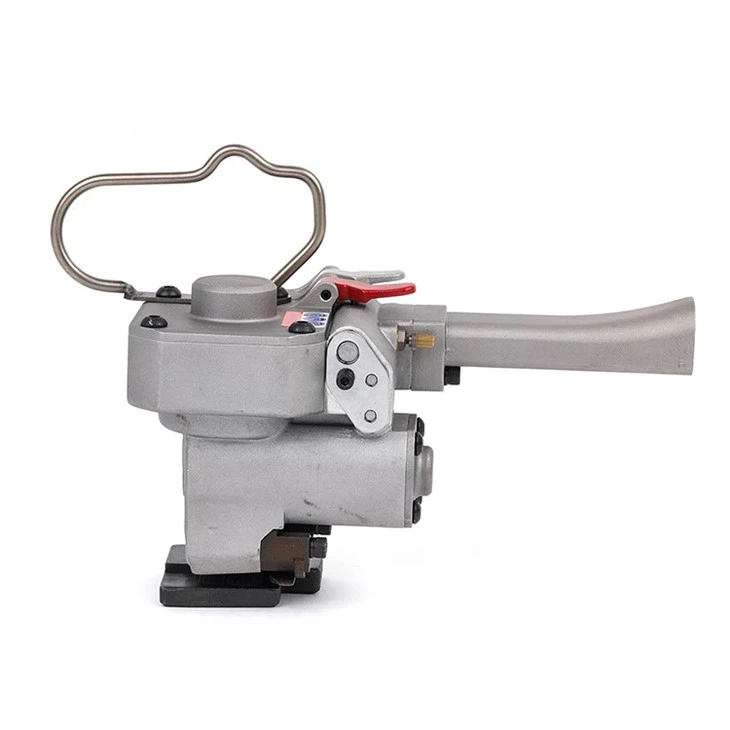
For those in need of a more powerful solution, our Pneumatic Pp Pet Strapping Machine offers consistent and reliable performance. It can handle the high - tension demands of both PP and PET strapping, ensuring a secure and efficient strapping process.
We also offer Strapping Tool Kit that includes all the necessary tools for different strap materials. This is a convenient option for customers who need to use multiple types of strapping in their operations.
6. Conclusion
In conclusion, the strap material has a profound effect on the performance of a hand strapping tool. From functionality and durability to overall efficiency, every aspect of the strapping process is influenced by the choice of strap material. As a Hand Strapping Tool supplier, we are committed to providing our customers with the right tools for their specific strap material requirements. If you are looking for high - quality hand strapping tools or need advice on the best strap material for your application, we encourage you to contact us for a procurement discussion. We are here to help you find the most suitable and cost - effective strapping solution for your business.
References
- "Strapping Materials and Their Applications" - Packaging Institute Journal
- "Hand Strapping Tool Design and Performance" - Industrial Tools Research Report
- "The Impact of Strapping on Load Security" - Logistics and Supply Chain Magazine