

Hey there! As a supplier of Manual Strapping Tools, I often get asked about the difference between manual and automatic strapping tools. So, I thought I'd write this blog to break it down for you.
Manual Strapping Tools: The Old - Reliable
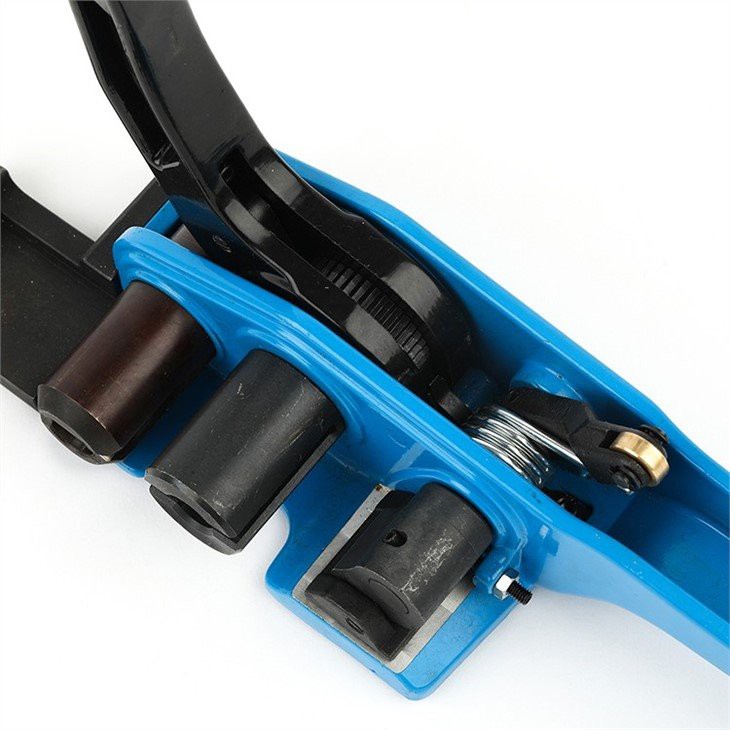
Let's start with manual strapping tools. These are the tools that have been around for ages. They're like the workhorses of the strapping world. A Manual Strapping Tool is basically a hand - operated device. You use your own muscle power to tension, seal, and cut the strapping.
One of the biggest advantages of manual strapping tools is their simplicity. They're easy to use, even if you've never used a strapping tool before. You don't need any fancy training or technical knowledge. Just pick up the tool, thread the strapping through it, wrap it around your package, and start tensioning. It's as straightforward as that.
Another great thing about manual strapping tools is their portability. You can take them anywhere. Whether you're working in a warehouse, out in the field, or at a small business, you can easily carry a manual strapping tool with you. There's no need for a power source, so you're not tied down to a specific location.
Cost - wise, manual strapping tools are a budget - friendly option. They're generally much cheaper to buy than automatic strapping tools. This makes them a great choice for small businesses or those on a tight budget. You can get a good quality manual strapping tool without breaking the bank.
For example, if you're a small e - commerce business shipping out a few packages a day, a manual strapping tool is perfect. You can quickly and easily strap your boxes without having to invest in an expensive automatic machine.
Let's talk about the different types of manual strapping tools. One popular type is the Poly Cord Strapping Tensioner. This tool is specifically designed for use with poly cord strapping. It allows you to tension the strapping tightly around your package, ensuring a secure hold.
Another type is the Box Strapping Tool. As the name suggests, it's great for strapping boxes. It's easy to handle and can quickly get the job done when you're packing up a lot of boxes.
However, manual strapping tools do have their limitations. Since they rely on your physical strength, they can be tiring to use, especially if you have to strap a large number of packages. The tensioning may not be as consistent as with an automatic tool, which could lead to some packages being over - or under - strapped.
Automatic Strapping Tools: The High - Tech Option
Now, let's move on to automatic strapping tools. These are the modern, high - tech cousins of manual strapping tools. Automatic strapping tools are powered by electricity, pneumatic systems, or a combination of both.
The main advantage of automatic strapping tools is their speed and efficiency. They can strap packages much faster than manual tools. If you're a large - scale manufacturer or a high - volume shipping company, an automatic strapping tool can save you a ton of time. You can strap hundreds or even thousands of packages in a short period.
Consistency is another big plus for automatic strapping tools. They can apply the same amount of tension to each strap, ensuring that all your packages are securely and uniformly strapped. This is especially important for businesses that have strict quality control standards.
Automatic strapping tools also require less physical effort. You don't have to use your own strength to tension and cut the strapping. This means that your employees are less likely to get tired or injured from repetitive strapping tasks.

However, automatic strapping tools come with some drawbacks. First of all, they're much more expensive to buy and maintain. You need to invest a significant amount of money upfront, and there may be ongoing costs for repairs and maintenance.
They're also less portable. Since they usually require a power source, you're limited to using them in locations where power is available. This can be a problem if you need to do some on - the - go strapping.
Choosing the Right Tool for You
So, how do you decide whether a manual or an automatic strapping tool is right for you? Well, it really depends on your specific needs.
If you're a small business with a low volume of packages, a manual strapping tool is probably the way to go. It's affordable, easy to use, and portable. You can get the job done without spending a fortune.
On the other hand, if you're a large - scale operation with a high volume of packages to strap, an automatic strapping tool may be worth the investment. The time and labor savings can quickly offset the initial cost.
It's also important to consider the type of packages you're strapping. If you have irregularly shaped or heavy packages, you may need a more powerful tool, whether it's a manual or automatic one.
Wrapping Up
In conclusion, both manual and automatic strapping tools have their pros and cons. Manual strapping tools are simple, portable, and budget - friendly, while automatic strapping tools are fast, consistent, and efficient.
As a supplier of Manual Strapping Tool, I'm here to help you make the right choice. If you're interested in learning more about our products or have any questions about strapping tools in general, feel free to reach out. We can have a chat about your specific requirements and find the perfect tool for your business. Whether you're just starting out or looking to upgrade your existing strapping equipment, we've got you covered. Let's get in touch and start a conversation about your strapping needs today!
References
- Industry knowledge and experience as a Manual Strapping Tool supplier.
- General research on strapping tools in the packaging industry.