

In the realm of packaging and securing goods, banding strap tools play a pivotal role. As a dedicated supplier of banding strap tools, I have witnessed firsthand the importance of understanding their cutting mechanisms. This knowledge not only aids in making informed purchasing decisions but also ensures efficient and safe operation in various industrial settings.
Understanding the Basics of Banding Strap Tools
Banding strap tools are designed to secure items by applying tension to a banding strap and then cutting and sealing it. These tools are widely used in industries such as logistics, manufacturing, and agriculture to bundle products, secure pallets, and protect goods during transit. There are different types of banding strap tools, including manual, pneumatic, and battery - operated models, each with its own set of features and advantages.
Manual Banding Strap Tools and Their Cutting Mechanisms
Manual banding strap tools are often the most basic and cost - effective option. They are typically used in small - scale operations or for occasional use. The cutting mechanism in a manual banding strap tool usually involves a sharp blade that is activated by a lever or a trigger.
When the user tightens the strap around the package using the tensioning part of the tool, and then engages the cutting function, the blade is forced through the strap. The blade is carefully designed to cut through the strap cleanly, minimizing fraying or jagged edges. The simplicity of this design makes manual tools easy to use and maintain. However, they do require physical effort from the operator, and the cutting force may be limited compared to more advanced tools.
Pneumatic Banding Strap Tools and Their Cutting Technology
Pneumatic banding strap tools, on the other hand, use compressed air to power their functions, including the cutting mechanism. These tools are more suitable for high - volume operations where speed and efficiency are crucial.
In a pneumatic banding strap tool, the cutting process begins when the strap is tensioned to the desired level. The compressed air is then directed to a piston or a similar device that drives the cutting blade. The high - pressure air provides a significant amount of force, allowing the blade to cut through even thick and tough straps quickly and smoothly.
One of the advantages of pneumatic tools is their ability to maintain a consistent cutting force. This ensures that each cut is clean and precise, reducing the risk of strap failure during transportation. Additionally, pneumatic tools are generally faster than manual ones, increasing the overall productivity of the packaging process. You can explore our range of Pneumatic Pet Strapping Machine to see how these advanced tools can enhance your operations.
Battery - Operated Banding Strap Tools and Their Cutting Innovation
Battery - operated banding strap tools have gained popularity in recent years due to their portability and convenience. These tools are powered by rechargeable batteries, eliminating the need for a continuous supply of compressed air or manual labor.
The cutting mechanism in a battery - operated tool is often driven by an electric motor. When the strap is tensioned and the cutting command is given, the motor activates a gear or a belt system that moves the cutting blade. The advantage of using an electric motor is that it can be precisely controlled, allowing for accurate and repeatable cuts.
Battery - operated tools also offer the flexibility to be used in areas where access to power outlets or compressed air is limited. They are suitable for on - site packaging, mobile operations, and remote locations.
The Role of the Blade in the Cutting Mechanism
Regardless of the type of banding strap tool, the blade is a critical component of the cutting mechanism. The blade's material, shape, and sharpness directly affect the quality of the cut.
Blades are typically made from high - quality steel or other hard - wearing materials to ensure durability. A sharp blade is essential for clean cuts. Dull blades can cause the strap to fray, which may weaken the strap and lead to package failure. Some blades are designed with a serrated edge to enhance cutting performance, especially when dealing with tough or fibrous straps.
Regular maintenance of the blade is necessary to keep the cutting mechanism in optimal condition. This includes cleaning the blade to remove any debris or residue, and sharpening or replacing it when it becomes dull.
Sealing and Cutting in Harmony
In many banding strap tools, the cutting function is closely linked to the sealing process. After the strap is tensioned around the package, it needs to be sealed to secure the load. The Poly Strapping Sealer is an important part of this process.
There are different sealing methods, such as heat sealing and friction welding. In heat - sealing tools, the strap is heated at the joint to melt the plastic, and then pressure is applied to bond the two ends together. The cutting mechanism then severs the excess strap after the seal is formed. Friction - welding tools use friction to generate heat and bond the strap ends. The cutting action follows the successful sealing of the strap.
The Importance of Tension in the Cutting Process
Tension also plays a significant role in the cutting mechanism. Before the strap can be cut, it must be tensioned to the appropriate level. If the tension is too low, the strap may not be held firmly enough, and the cut may not be clean. On the other hand, if the tension is too high, it can put excessive stress on the cutting mechanism and the blade, potentially causing damage.
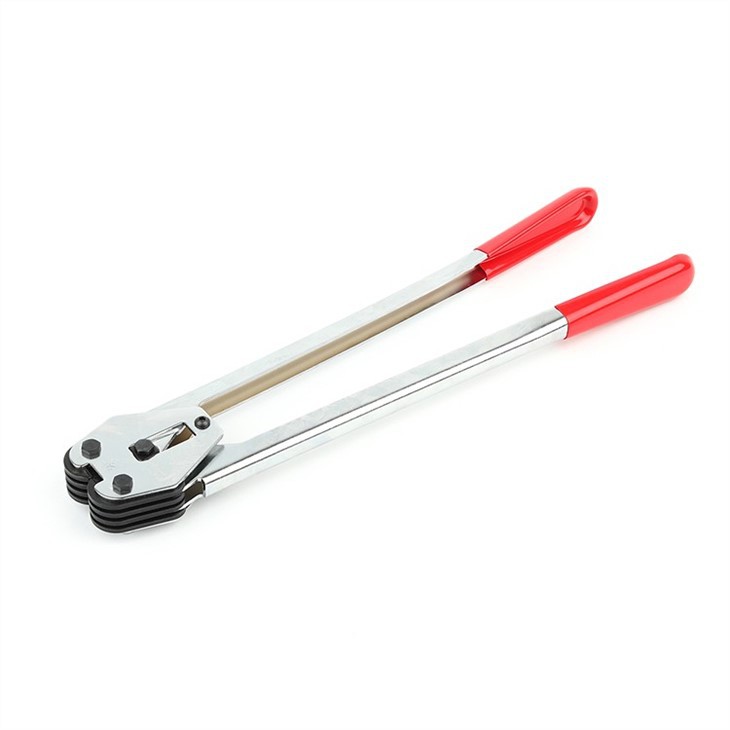
Banding strap tools are equipped with tensioning mechanisms to ensure that the strap is tightened to the correct level. For example, the Banding Tensioner Tool allows users to adjust the tension according to the requirements of the package. Once the optimal tension is achieved, the cutting function can be carried out effectively.
Safety Considerations in the Cutting Mechanism
Safety is of utmost importance when using banding strap tools. The cutting mechanism involves sharp blades and high - force operations, which can pose risks if not handled properly.
Operators should be trained on how to use the tool safely, including how to engage and disengage the cutting function. Protective gear, such as gloves and safety glasses, should be worn to prevent injuries from flying debris or accidental cuts. Additionally, the tool should be inspected regularly for any signs of damage or wear, especially the blade and the cutting components.
Conclusion
Understanding the cutting mechanism of a banding strap tool is essential for anyone involved in the packaging industry. Whether you are a small - business owner looking for a simple manual tool or a large - scale manufacturer in need of high - volume pneumatic or battery - operated solutions, knowing how the cutting process works can help you make the right choice.
As a supplier of banding strap tools, we are committed to providing high - quality products that meet the diverse needs of our customers. Our range of tools is designed with advanced cutting mechanisms to ensure efficient, precise, and safe operation. If you are interested in learning more about our products or have any questions regarding the cutting mechanism of banding strap tools, we encourage you to contact us for a detailed discussion. We look forward to partnering with you to enhance your packaging operations.
References
- Packaging Machinery Manual: A comprehensive guide to the design, operation, and maintenance of packaging equipment.
- Industrial Strapping Handbook: Provides in - depth knowledge about different types of strapping materials and tools, including cutting mechanisms.
- Research papers on the development and improvement of banding strap tool technologies in the field of packaging engineering.