

Storing strapping rolls properly is super important, especially when you're using them with a dispenser. As a supplier of Strapping Dispensers, I've seen firsthand how the right storage can make a huge difference in the performance and lifespan of both the strapping rolls and the dispenser.
Let's start with understanding the types of strapping. One of the most common ones is Strapping PET. PET strapping is known for its high tensile strength, resistance to moisture, and flexibility. But even with these great qualities, it can still be affected by how it's stored.
Temperature and Humidity Control
First off, temperature and humidity play a big role. Strapping rolls, especially PET ones, should be stored in a place where the temperature is stable. Extreme heat can cause the strapping to become soft and lose its shape. On the other hand, cold temperatures can make it brittle and more likely to break.
A good rule of thumb is to keep the storage area between 15°C and 25°C (59°F and 77°F). Humidity is also crucial. High humidity can lead to rust on metal parts of the dispenser and can cause the strapping to absorb moisture, which might affect its strength. Aim for a relative humidity of around 40% - 60%.
If you're storing the strapping rolls in a warehouse, consider using a climate - controlled storage unit. It might cost a bit more, but it'll save you a lot of headaches in the long run. You can also use dehumidifiers or heaters to regulate the environment if you don't have a fully climate - controlled space.
Proper Shelving and Racking
The way you store the strapping rolls on the shelves or racks matters too. Make sure the shelves are sturdy enough to hold the weight of the rolls. You don't want the shelves to collapse and damage the strapping or, even worse, cause an accident.
When placing the rolls on the shelves, try to keep them in an upright position. This helps prevent the strapping from unwinding accidentally and also reduces the risk of the roll getting deformed. If you have a large number of rolls, you can stack them on top of each other, but be careful not to stack them too high. A good height limit for stacking is usually around 3 - 4 rolls, depending on the size and weight of the rolls.

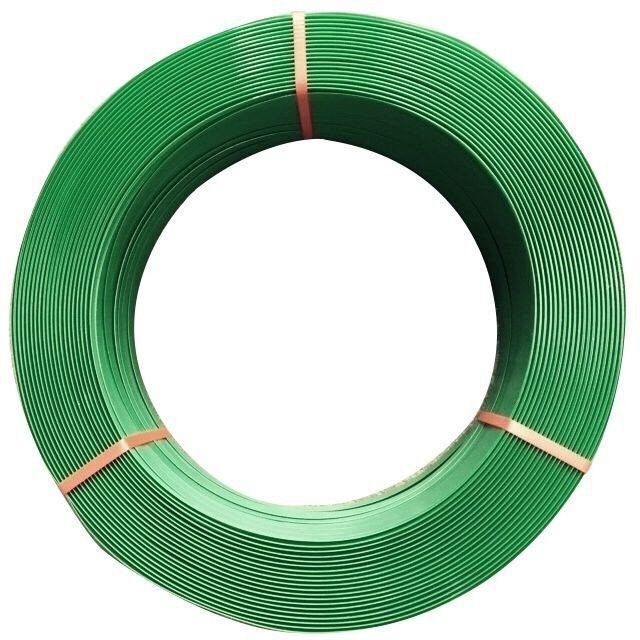
Another thing to consider is the spacing between the rolls. Leave enough space between each roll so that you can easily access them when you need to. This also helps with air circulation around the rolls, which can prevent the build - up of moisture.
Protection from Light and Dust
Light, especially sunlight, can have a negative impact on the strapping. UV rays can cause the strapping to degrade over time, making it weaker and more prone to breakage. So, store the strapping rolls in a dark area or use covers to protect them from direct light.
Dust is another enemy. Dust can accumulate on the strapping and get into the dispenser, which can cause jams and other problems. You can use dust covers or store the rolls in sealed containers to keep them clean.
Rotation of Stock
It's a good idea to practice the first - in, first - out (FIFO) method when using strapping rolls. This means using the oldest rolls first. Over time, the strapping can degrade, even if it's stored properly. By using the oldest stock first, you can ensure that you're always using the strapping at its best quality.
When you receive new strapping rolls, mark them with the date of arrival. This makes it easier to keep track of which rolls are the oldest and should be used first.
Maintenance of the Dispenser and Storage Area
Regular maintenance of the dispenser is essential. Check the dispenser for any signs of wear and tear, such as loose parts or damaged rollers. A well - maintained dispenser will work better with properly stored strapping rolls.
Also, keep the storage area clean. Sweep the floors regularly to remove any debris that could scratch the strapping or cause problems with the dispenser. Check the storage racks for any signs of damage and repair them promptly.
Safety Considerations
Safety should always be a top priority. When handling strapping rolls, use proper lifting techniques. Strapping rolls can be heavy, especially larger ones, and improper lifting can lead to back injuries.
If you're using a forklift or other machinery to move the rolls, make sure the operators are trained properly. And always wear appropriate safety gear, such as gloves, when handling the strapping.
In conclusion, the best way to store strapping rolls for use with a dispenser involves a combination of factors. Controlling the temperature and humidity, using proper shelving, protecting from light and dust, rotating the stock, maintaining the dispenser and storage area, and following safety protocols are all key steps.
If you're in the market for high - quality Strapping Dispensers or Strapping PET, we're here to help. Our products are designed to work well together, and we can offer you advice on the best storage and usage practices. Whether you're a small business or a large industrial operation, we have the right solutions for you. If you're interested in learning more or want to discuss your specific needs, don't hesitate to reach out and start a conversation about your procurement requirements.
References
- Packaging Industry Standards Handbook
- Manufacturer's guidelines for strapping rolls and dispensers