

When it comes to packaging and securing goods, Strapping PET has emerged as a reliable and efficient solution. As a supplier of Strapping PET, I've witnessed firsthand its widespread use across various industries, from logistics and warehousing to manufacturing and retail. However, like any industrial product, using Strapping PET safely is of utmost importance to prevent accidents and ensure the well - being of workers. In this blog, I'll share some essential safety precautions to keep in mind when using Strapping PET.
Understanding Strapping PET
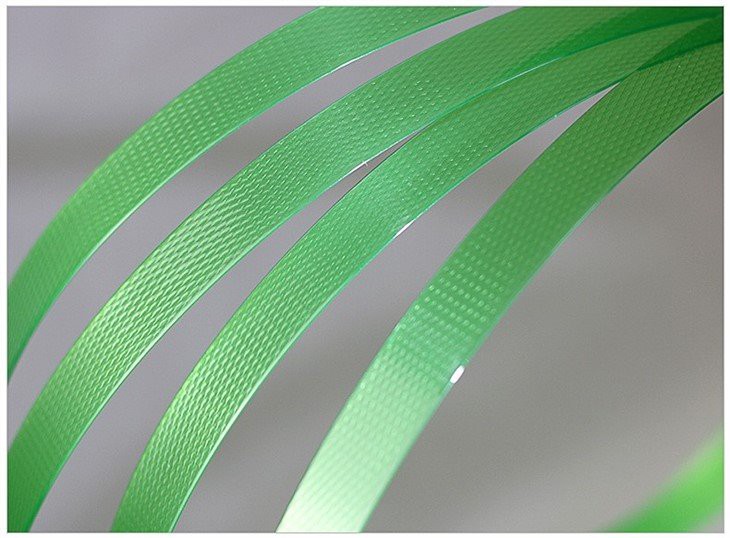
Before delving into safety precautions, let's briefly understand what Strapping PET is. Strapping PET, or Polyethylene Terephthalate strapping, is a high - strength plastic strapping material known for its excellent tensile strength, durability, and resistance to moisture and chemicals. It comes in different widths and thicknesses, making it suitable for a wide range of applications, from light - duty packaging to heavy - duty industrial bundling. You can find more information about Strapping PET on our website Strapping PET.
Personal Protective Equipment (PPE)
One of the first steps in ensuring safety when using Strapping PET is to wear appropriate Personal Protective Equipment (PPE).
Gloves
Gloves are essential when handling Strapping PET. The edges of the strapping can be sharp, especially when it is cut, and can cause cuts and abrasions to the hands. Choose gloves that are cut - resistant and provide a good grip. This will not only protect your hands from injuries but also help you handle the strapping more effectively.
Safety Glasses
Safety glasses are necessary to protect your eyes from any flying debris or particles that may be generated during the strapping process. When the strapping is cut or tensioned, small fragments can break off and pose a risk to your eyes. Wearing safety glasses with side shields provides comprehensive protection.
Protective Clothing
Wear appropriate protective clothing, such as long - sleeved shirts and pants, to protect your skin from contact with the strapping. This can prevent skin irritation and cuts that may occur if the strapping rubs against your skin.
Equipment Safety
Using the right equipment and ensuring its proper maintenance is crucial for safe Strapping PET usage.
Strapping Tools
There are various types of strapping tools available, including manual tensioners, sealers, and dispensers. It's important to use the correct tool for the job and to follow the manufacturer's instructions for operation. For example, when using a manual tensioner, make sure you understand how to adjust the tension properly to avoid over - tensioning, which can cause the strapping to break or damage the goods being strapped.
Strapping Dispensers
A Strapping Dispensers is an important piece of equipment that helps in the smooth unwinding of the strapping. Ensure that the dispenser is in good working condition, with no loose parts or damaged components. Regularly inspect the dispenser for any signs of wear and tear and replace any faulty parts immediately. A malfunctioning dispenser can cause the strapping to jam or unwind unevenly, leading to potential safety hazards.
Handling and Storage
Proper handling and storage of Strapping PET are also essential for safety.
Handling
When handling Strapping PET, be careful not to kink or twist the strapping. Kinked or twisted strapping can weaken its strength and may cause it to break during use. Always unwind the strapping slowly and smoothly from the dispenser to prevent any tangles or knots.
Storage
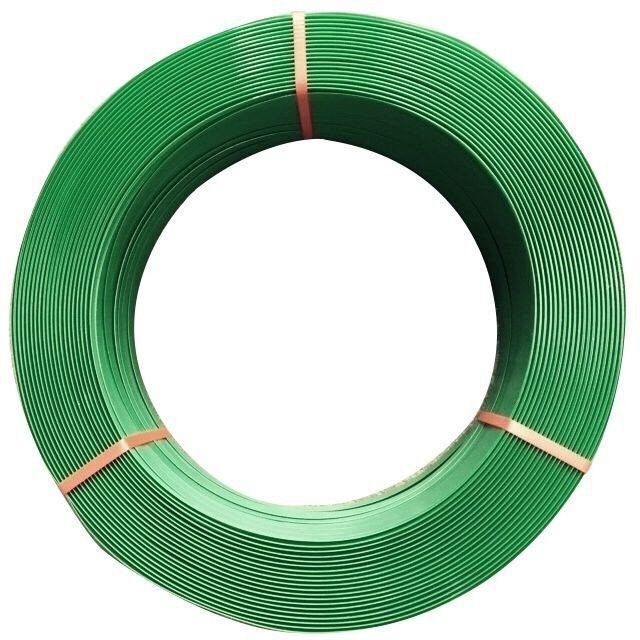
Store Strapping PET in a cool, dry place away from direct sunlight and heat sources. Exposure to high temperatures can cause the strapping to become brittle and lose its strength. Also, keep the strapping away from sharp objects that could damage it. When storing the strapping, make sure it is properly coiled and secured to prevent it from unravelling.
Cutting and Sealing
Cutting and sealing the Strapping PET require special attention to safety.
Cutting
Use a sharp and appropriate cutting tool, such as a strapping cutter or a utility knife. Dull blades can cause the strapping to fray or tear unevenly, which can make it difficult to seal and may also pose a safety risk. When cutting the strapping, hold it firmly and make a clean, straight cut. Avoid using excessive force, as this can cause the blade to slip and result in an injury.
Sealing
When sealing the Strapping PET, ensure that the sealer is working correctly. Improper sealing can lead to the strapping coming loose during transit, which can cause damage to the goods and pose a safety hazard. Follow the manufacturer's instructions for operating the sealer, including the correct temperature settings and pressure adjustments.
Workplace Safety
Maintaining a safe workplace environment is essential when using Strapping PET.
Clear Workspace
Keep your workspace clean and free of clutter. A cluttered workspace can increase the risk of tripping and falling, especially when handling strapping and equipment. Make sure there is enough space to move around freely and that all tools and materials are stored in their proper places.
Training
Provide proper training to all employees who will be using Strapping PET. Training should cover the correct use of equipment, safety procedures, and emergency response. Employees should be familiar with the potential hazards associated with Strapping PET and know how to prevent and respond to accidents.
Emergency Preparedness
Have an emergency plan in place in case of an accident. This should include first - aid supplies and procedures for dealing with injuries such as cuts, burns, or eye injuries. Make sure all employees are aware of the emergency plan and know where to find the first - aid supplies.
Conclusion
Using Strapping PET can significantly enhance the efficiency and security of your packaging operations. However, it's crucial to follow these safety precautions to protect the well - being of your employees and prevent accidents. By wearing appropriate PPE, using the right equipment, handling and storing the strapping correctly, and maintaining a safe workplace, you can ensure a safe and productive strapping process.
If you're interested in purchasing high - quality Strapping PET for your packaging needs, we'd love to hear from you. Our team of experts can provide you with the right advice and solutions tailored to your specific requirements. Contact us today to start a procurement discussion and take your packaging to the next level.
References
- Industry safety guidelines for plastic strapping usage
- Manufacturer's manuals for strapping tools and equipment
- Workplace safety regulations related to packaging materials