

Hey there! I'm a supplier of Strapping PET, and today I wanna chat with you all about whether Strapping PET is easy to cut. It's a question that comes up a lot in the packing industry, and I'm excited to share some insights.
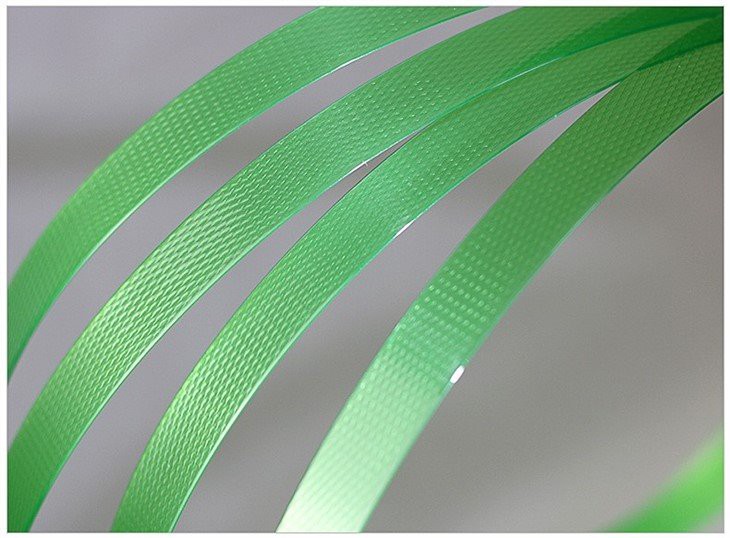
First off, let's quickly understand what Strapping PET is. Strapping PET, or Polyethylene Terephthalate strapping, is a super popular choice for packaging. You can find more about it right here. It's known for its high tensile strength, great resistance to corrosion, and it's also environmentally friendly compared to some traditional strapping materials. It's used in a wide range of industries, from shipping large pallets in warehouses to bundling smaller items in retail settings.
Now, the big question: Is it easy to cut? Well, the answer isn't a simple yes or no. There are a few factors that come into play.
Thickness and Width
The thickness and width of the Strapping PET have a huge impact on how easy it is to cut. Thinner and narrower strapping is generally easier to cut than thicker and wider ones. For instance, a thin 3mm-wide PET strap can be cut with relative ease, even by hand tools in some cases. But if you're dealing with a thick 19mm-wide strap, it's gonna be a whole different ballgame. You'll definitely need some proper cutting equipment to get through it cleanly and quickly.
Cutting Tools
The type of cutting tools you use also matters a great deal. There are different kinds of tools available for cutting Strapping PET, and each has its own pros and cons.
- Manual Cutting Tools: These include basic hand-held cutters. They're simple to use and inexpensive, making them a good option for small-scale operations or occasional use. However, they require a bit of elbow grease, especially when cutting thicker straps. You might have to put some force into it, and it can be a bit tiring if you have to cut a large number of straps.
- Powered Cutting Tools: Tools like electric or pneumatic cutters are a game-changer when it comes to cutting Strapping PET. They can cut through even the thickest straps with ease and speed. They're ideal for high-volume applications in warehouses or factories. But they do come at a higher cost, and you need to have the proper infrastructure (like an electrical outlet or an air compressor) to use them.
Tension and Alignment
The tension at which the Strapping PET is applied and its alignment also affect the cutting process. If the strap is pulled too tight, it can put extra stress on the cutting tool and make it harder to get a clean cut. On the other hand, if it's too loose, it might not cut evenly, and you could end up with frayed edges. Proper alignment is also crucial. If the strap isn't positioned correctly in the cutting tool, it can cause the tool to jam or make an uneven cut.
Safety Considerations
When cutting Strapping PET, safety should always be a top priority. Whether you're using a manual or powered cutting tool, there are some risks involved. For example, the sharp edges of the cut strap can cause cuts or abrasions. And when using powered tools, there's the risk of electrical shock or injury from moving parts. Always wear appropriate safety gear, like gloves and safety glasses, and follow the manufacturer's instructions for using the cutting tools.
Strapping Dispensers
Another thing to consider is the use of Strapping Dispensers. These handy devices can make the whole process of handling and cutting Strapping PET much easier. They help to keep the strap organized and can feed it smoothly into the cutting tool. This not only makes the cutting process more efficient but also reduces the chances of the strap getting tangled or misaligned.
In my experience as a Strapping PET supplier, I've seen a lot of customers struggling with cutting issues. Some are using the wrong tools for the job, while others are not taking proper safety precautions. That's why I always recommend that customers invest in high-quality cutting tools and understand the specific requirements of the Strapping PET they're using.
Overall, while Strapping PET can be easy to cut under the right conditions, it's important to take into account all the factors I've mentioned. With the proper tools, techniques, and safety measures, you can make the cutting process a breeze.
If you're in the market for Strapping PET or have any questions about cutting it, I'd love to chat with you. Whether you're a small business owner looking for a reliable packing solution or a large corporation in need of high-volume supplies, I can help you find the right products and offer advice on the best cutting methods. So don't hesitate to get in touch for a discussion about your procurement needs.

References
- Industry-standard packaging materials research
- Manufacturer's guidelines for Strapping PET and cutting tools