

Hey there! As a supplier of Strap Sealing Machines, I often get asked about how to replace the parts of these machines. It's an important skill to have, whether you're a small business owner using the machine for daily packaging or a maintenance guy responsible for keeping it in top - notch condition. In this blog, I'll walk you through the process of replacing parts of a Strap Sealing Machine step by step.
1. Know Your Machine First
Before you start replacing any parts, you gotta have a good understanding of your Strap Sealing Machine. Different models have different parts and mechanisms. Take some time to read the user manual that came with the machine. It'll give you a detailed overview of all the components and how they work together.
For example, some machines might use heat to seal the straps, while others rely on mechanical pressure. If it's a heat - sealing machine, the heating element is a crucial part. You need to know where it is, how it's connected, and what kind of power it requires. On the other hand, a mechanically - sealed machine will have different key components like a sealer head and a tensioning device.
2. Gather the Right Tools
You can't just start pulling parts out without the proper tools. It's like trying to cook without utensils. For most Strap Sealing Machine part replacements, you'll need a basic set of tools.
A set of screwdrivers is a must - have. You'll use flat - head and Phillips - head screwdrivers to remove the covers and access the internal parts. Pliers are also useful for grabbing and holding small parts, especially when you're disconnecting wires or removing small clips.
If you're replacing a more complex part, like a motor or a gearbox, you might need a socket set. Make sure the sockets are the right size for the bolts and nuts on your machine. And don't forget about safety gear. Wear safety glasses to protect your eyes from any flying debris, and gloves to keep your hands safe from sharp edges.
3. Identify the Faulty Part
Okay, so you've read the manual and gathered your tools. Now it's time to figure out which part needs to be replaced. There are a few ways to do this.
First, use your senses. Listen to the machine when it's running. If you hear strange noises like grinding or rattling, it could be a sign that a gear or a bearing is worn out. Look for any visible signs of damage, such as cracks, burns, or frayed wires.
You can also do some basic tests. For example, if the machine isn't sealing the straps properly, you can check the sealing pressure. If the tensioning is off, the tensioning mechanism might be the culprit. Once you've identified the part, it's a good idea to order a replacement as soon as possible. There are many high - quality parts available in the market, and you can find some great options like the Pneumatic Pet Strapping Machine on our website.
4. Power Off and Disconnect
This is a super important step that you can't skip. Before you start any part replacement, make sure to turn off the machine and unplug it from the power source. This will prevent any electrical shocks or injuries.
If your Strap Sealing Machine is connected to an air compressor (in case it's a pneumatic machine), disconnect the air supply as well. You don't want the machine to suddenly start up while you're working on it.
5. Remove the Old Part
Now that the machine is safely powered off, it's time to remove the old part. Start by removing any covers or panels that are blocking access to the part. Use your screwdrivers to carefully remove the screws. Keep the screws in a safe place so you don't lose them.
Once you've exposed the part, check how it's connected. Some parts might be held in place by bolts, while others are clipped on or plugged in. If it's a bolted part, use your socket set or screwdriver to remove the bolts. If it's clipped on, use your pliers to gently remove the clips.
When disconnecting wires, make sure to note how they're connected. You can use a marker or take a picture with your phone. This will make it much easier to reconnect the new part later.
6. Install the New Part
After you've removed the old part, it's time to install the new one. First, double - check that the new part is the right one for your machine. Make sure it matches the specifications and dimensions of the old part.
Start by connecting the wires exactly as you noted when you removed the old part. Then, place the new part in the correct position. If it's a bolted part, replace the bolts and tighten them securely, but don't over - tighten. Over - tightening can damage the part or the machine.
If it's a clipped - on part, use your pliers to secure the clips in place. Make sure the part is firmly attached and there's no looseness.
7. Test the Machine
Once you've installed the new part, it's time to test the machine. Plug it back in (or reconnect the air supply if it's a pneumatic machine) and turn it on.
Start with a simple test. Feed a strap through the machine and see if it seals properly. Check the tensioning and make sure everything is working smoothly. Listen for any abnormal noises. If the machine seems to be working correctly, you're good to go.

But if you notice any problems, don't panic. Double - check your connections and make sure the new part is installed correctly. If you're still having issues, you might need to consult the user manual or contact a professional technician.
8. Regular Maintenance
Replacing parts is just one aspect of keeping your Strap Sealing Machine in good condition. Regular maintenance is also crucial.
Clean the machine regularly. Use a soft cloth to remove any dust, debris, or strap residue. Lubricate the moving parts as recommended in the user manual. This will reduce friction and wear, and extend the lifespan of the machine.
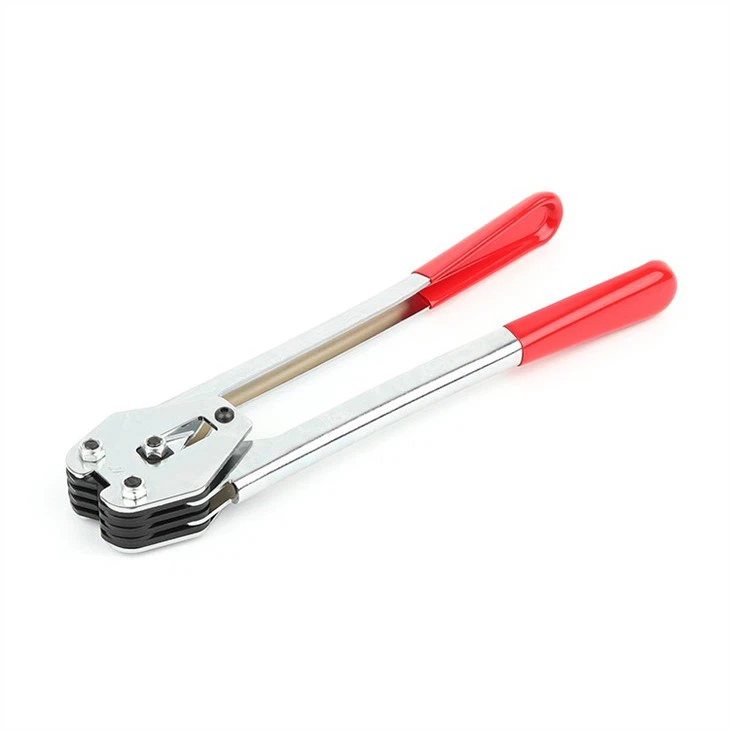
You can also invest in a Strapping Sealer Tool or a Strapping Packing Tool Kit to make your packaging process more efficient and to help with minor machine adjustments.
Time to Boost Your Packaging!
If you're in the market for high - quality Strap Sealing Machines or replacement parts, we've got you covered. Just get in touch, and we can start a chat about your specific needs. Whether you're looking for a simple solution for a small - scale business or a heavy - duty machine for large - scale operations, we're here to help.
Let's work together to make your packaging process more efficient and reliable.
References
- Manufacturer's User Manuals
- Industry - standard Maintenance Guides