

Maintaining a strapping dispenser is crucial for ensuring its optimal performance, longevity, and the overall efficiency of your packaging operations. As a leading supplier of Strapping Dispensers, I understand the importance of proper maintenance. In this blog post, I will share some valuable tips on how to maintain a strapping dispenser effectively.
Regular Cleaning
One of the most basic yet essential maintenance tasks for a strapping dispenser is regular cleaning. Over time, dust, debris, and adhesive residue can accumulate on the dispenser's components, which can affect its performance. To clean the dispenser, start by unplugging it from the power source to ensure safety. Then, use a soft, dry cloth to wipe down the exterior of the dispenser, removing any visible dirt or dust.
For the internal components, such as the feed mechanism and the cutting blade, you may need to use a more detailed cleaning approach. Use a small brush or compressed air to remove any debris that may have accumulated in hard-to-reach areas. If there is adhesive residue on the components, you can use a mild solvent recommended by the dispenser's manufacturer to dissolve the residue. Be sure to follow the manufacturer's instructions when using solvents to avoid damaging the dispenser.
Lubrication
Proper lubrication is essential for keeping the moving parts of a strapping dispenser functioning smoothly. Over time, the friction between the moving parts can cause wear and tear, leading to decreased performance and potential breakdowns. To prevent this, it is important to lubricate the dispenser regularly.
Check the dispenser's user manual to determine the recommended lubricant and the frequency of lubrication. Generally, it is recommended to lubricate the feed mechanism, the cutting blade, and any other moving parts at least once a month. Use a small amount of lubricant and apply it evenly to the components. Be careful not to over-lubricate, as this can attract dust and debris, which can cause more problems.

Inspection of Components
Regular inspection of the strapping dispenser's components is another important maintenance task. By inspecting the components regularly, you can identify any signs of wear and tear or damage early on and take appropriate action to prevent further problems.
Start by inspecting the strapping roll holder to ensure that it is secure and in good condition. Check the feed mechanism for any signs of misalignment or damage. Look for any loose or worn belts, chains, or gears. Inspect the cutting blade for sharpness and any signs of dullness or damage. If you notice any issues during the inspection, replace the damaged components immediately to prevent further damage to the dispenser.
Adjustment of Tension
The tension of the strapping is an important factor that can affect the performance of the dispenser and the quality of the packaging. If the tension is too loose, the strapping may not hold the package securely, while if the tension is too tight, it may damage the package or the dispenser.
To adjust the tension of the strapping, refer to the dispenser's user manual for specific instructions. Generally, most strapping dispensers have a tension adjustment knob or lever that allows you to increase or decrease the tension. Start by setting the tension to a medium level and then test the dispenser by strapping a few packages. Adjust the tension as needed until you achieve the desired level of tightness.
Storage
Proper storage of the strapping dispenser when it is not in use is also important for its maintenance. When storing the dispenser, make sure to clean it thoroughly and lubricate the moving parts. Store the dispenser in a dry, clean place away from direct sunlight and extreme temperatures.
If you need to store the dispenser for an extended period of time, it is recommended to remove the strapping roll and the batteries (if applicable) to prevent damage. Cover the dispenser with a protective cover to prevent dust and debris from accumulating on it.
Use of High-Quality Strapping
Using high-quality strapping is essential for the proper functioning of the strapping dispenser and the longevity of its components. Low-quality strapping may contain impurities or have inconsistent thickness, which can cause problems such as jamming, tearing, or uneven tension.
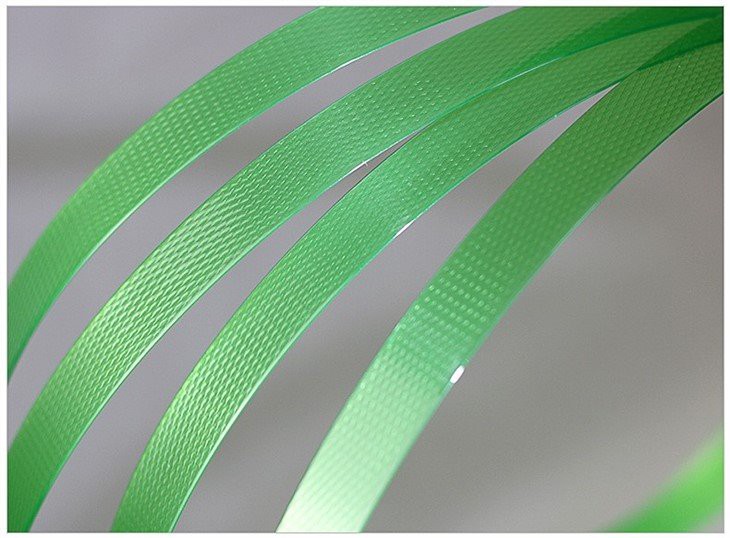
As a supplier of Strapping PET, I recommend using high-quality PET strapping for your packaging needs. PET strapping is strong, durable, and resistant to moisture and chemicals, making it an ideal choice for a wide range of applications. It also has a high tensile strength, which means that it can hold heavy loads securely.

Training of Operators
Proper training of operators is also important for the maintenance of the strapping dispenser. Operators should be trained on how to use the dispenser correctly, including how to load the strapping, adjust the tension, and perform basic maintenance tasks.
By providing proper training to operators, you can ensure that the dispenser is used correctly and that any potential problems are identified and addressed early on. This can help to prevent costly breakdowns and downtime, as well as improve the overall efficiency of your packaging operations.
Conclusion
Maintaining a strapping dispenser is essential for ensuring its optimal performance, longevity, and the overall efficiency of your packaging operations. By following the tips outlined in this blog post, you can keep your strapping dispenser in good condition and avoid costly breakdowns and downtime.
If you have any questions or need further assistance with the maintenance of your strapping dispenser, please do not hesitate to contact us. As a leading supplier of Strapping Dispensers, we are committed to providing our customers with high-quality products and excellent customer service. We can also provide you with professional advice and support on the selection and use of strapping dispensers and other packaging accessories.
Whether you are a small business or a large corporation, we have the right strapping dispenser and packaging solutions to meet your needs. Contact us today to learn more about our products and services and to discuss your specific requirements. We look forward to working with you to help you achieve your packaging goals.
References
- Manufacturer's user manuals for strapping dispensers
- Industry best practices for packaging equipment maintenance