

Hey there! I'm a supplier of Strap Sealing Machines, and I know that installing one can seem like a daunting task. But don't worry, I'm here to walk you through the whole process step by step. By the end of this blog, you'll be able to install your Strap Sealing Machine like a pro.
Before You Start
First things first, you gotta make sure you've got all the necessary tools and materials. You'll need a screwdriver (both flat - head and Phillips - head usually do the trick), a measuring tape, and some basic knowledge of electrical connections if your machine is electric. Also, check the packaging of your Strap Sealing Machine to ensure that all the parts are there. Sometimes, small pieces can get jostled around during shipping.
Choose the Right Location
Picking the right spot to install your Strap Sealing Machine is super important. You want a flat, stable surface that can support the weight of the machine. It should also be close to a power source if it's an electric model. And don't forget about space. You need enough room around the machine to operate it comfortably and to perform any maintenance later on. Measure the area where you plan to place the machine and make sure it matches the dimensions specified in the user manual.
Unpack and Inspect
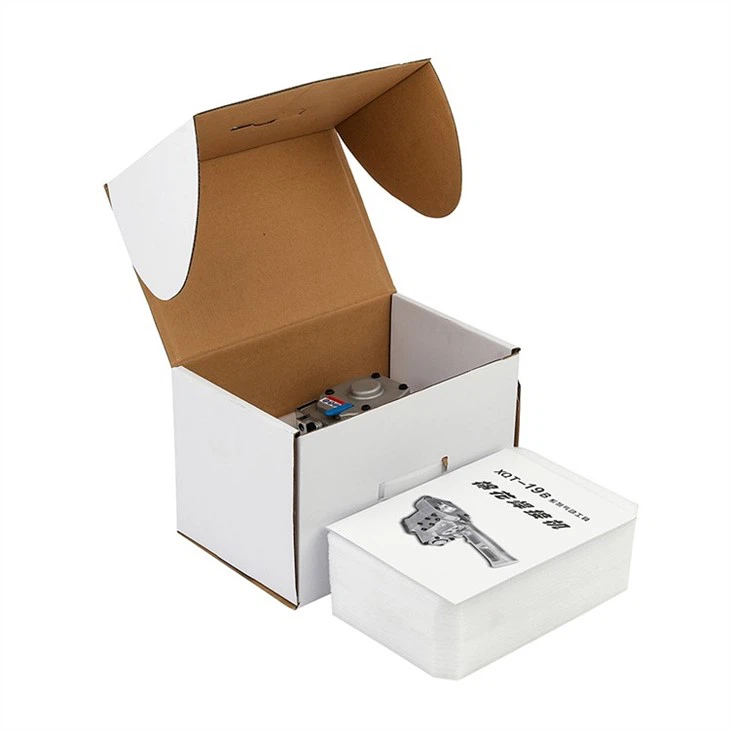
Once you've found the perfect location, it's time to unpack the Strap Sealing Machine. Carefully remove all the parts from the box and lay them out. Check each part for any visible damage. If you find anything wrong, contact us right away. We're here to help you sort out any issues.
Assemble the Machine
Now, let's start putting the machine together. Most Strap Sealing Machines come with a detailed assembly manual. Follow it closely! Usually, you'll start by attaching the base to the main body of the machine. Use the screwdriver to tighten the screws securely. Make sure not to overtighten, as this can damage the parts.
Next, you might need to install the sealing head. This is a crucial part of the machine, as it's responsible for sealing the straps. Align it properly according to the instructions and fasten it in place. Some machines also have additional components like a strap feeder or a tensioning device. Install these parts one by one, double - checking the alignment and connection after each step.
Electrical Connections (if applicable)
If your Strap Sealing Machine is electric, you need to be extra careful when making the electrical connections. First, make sure the power is off at the source. Then, connect the power cord to the machine according to the markings. Usually, there will be a ground wire, a live wire, and a neutral wire. Match them up correctly to avoid any electrical hazards. Once the connections are made, give them a gentle tug to make sure they're secure.

Adjust the Settings
After assembling the machine and making the electrical connections, it's time to adjust the settings. Different types of straps require different settings for sealing. For example, if you're using a thicker strap, you might need to increase the sealing temperature and pressure. Refer to the user manual to find the recommended settings for the type of strap you're using. You can usually adjust these settings using the control panel on the machine.
Test the Machine
Before you start using the Strap Sealing Machine for real - world applications, it's essential to test it. Feed a short piece of strap through the machine and run a test cycle. Check if the strap is being sealed properly. Look for any signs of uneven sealing or misalignment. If the sealing isn't right, you may need to adjust the settings again.
Additional Tools for Strapping
While you're setting up your Strap Sealing Machine, you might also want to consider getting some additional strapping tools. For example, a Plastic Strapping Tensioner can help you apply the right amount of tension to the strap before sealing. This ensures a more secure and reliable seal. Another useful tool is the Battery Powered Plastic Strapping Tool, which offers more flexibility and convenience, especially if you need to move around a lot while strapping. And if you're working with smaller or more delicate items, a Banding Strap Tool could be just what you need.
Maintenance Tips
To keep your Strap Sealing Machine running smoothly, regular maintenance is a must. Clean the machine after each use to remove any debris or strap residue. Check the sealing head regularly for wear and tear. Replace it if necessary. Also, lubricate the moving parts as recommended in the user manual. This will extend the lifespan of the machine and prevent any breakdowns.
Contact Us for More
If you have any questions during the installation process or if you're thinking about purchasing a Strap Sealing Machine or any of the additional strapping tools, don't hesitate to contact us. We've got a team of experts ready to assist you. Whether it's technical support or advice on choosing the right product for your needs, we're here to help.
References
- Strap Sealing Machine User Manual
- Industry best practices for strapping machine installation