

Improving the efficiency of using a plastic banding tool is crucial for businesses involved in packaging and securing goods. As a plastic banding tool supplier, I understand the importance of helping our customers optimize their operations. In this blog post, I'll share some valuable insights and practical tips to enhance the efficiency of using plastic banding tools.
1. Select the Right Plastic Banding Tool
The first step in improving efficiency is choosing the appropriate plastic banding tool for your specific needs. Different tools are designed for various applications, such as light - duty or heavy - duty strapping.
If you are dealing with high - volume strapping tasks in an industrial setting, a Pneumatic Strapping Tool might be the best choice. Pneumatic tools are powered by compressed air, which allows for fast and consistent strapping. They can handle a wide range of strap widths and thicknesses, making them suitable for different types of products.
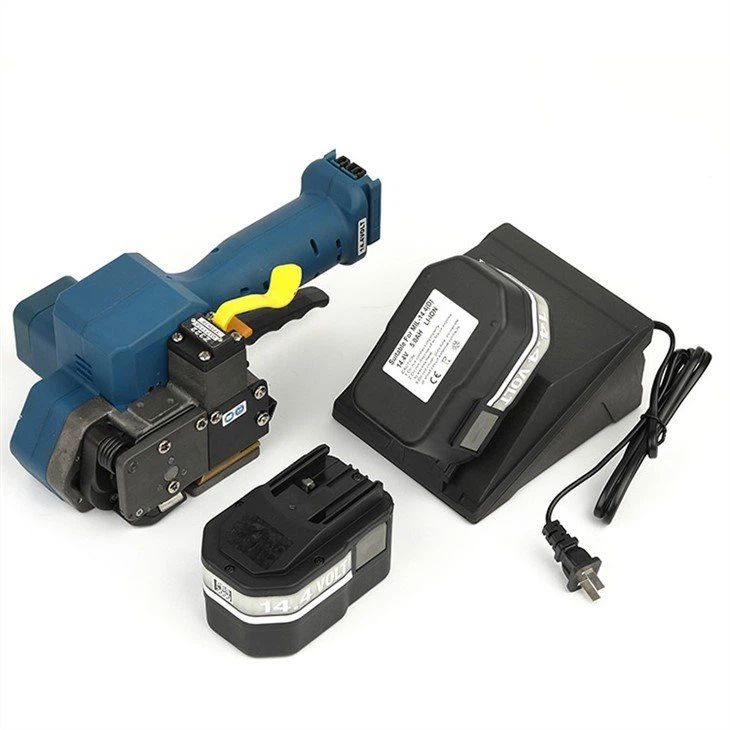
For more flexible and mobile operations, a Battery Powered Plastic Strapping Tool is a great option. These tools offer the advantage of being cordless, enabling you to move around freely without being restricted by power cords. They are also relatively lightweight, reducing operator fatigue during long - term use.
In cases where you need to strap large or irregularly shaped items, a Pneumatic Pet Strapping Machine could be the ideal solution. These machines are designed to handle heavy - duty strapping tasks with ease and can be integrated into existing production lines for increased automation.
2. Proper Training for Operators
Even the best plastic banding tool won't be efficient if the operators don't know how to use it correctly. Providing comprehensive training to your staff is essential.
Training should cover the basic operation of the tool, including how to load the strap, adjust the tension, and seal the strap properly. Operators should also be taught about safety procedures to prevent accidents. For example, they need to know how to handle the tool safely when it is in use and how to perform maintenance tasks without putting themselves at risk.
Regular refresher courses can also be beneficial to keep the operators' skills up - to - date. This can ensure that they are always using the tool in the most efficient way possible.
3. Maintenance and Inspection
Regular maintenance and inspection of plastic banding tools are vital for maintaining their efficiency. A well - maintained tool will perform better, have a longer lifespan, and require fewer repairs.
Inspect the tool before each use to check for any visible damage, such as cracks or loose parts. Make sure that all the moving parts are lubricated properly to reduce friction and wear. Clean the tool regularly to remove any debris or dust that may accumulate during use.
Replace worn - out parts promptly. For example, if the sealing element of the tool is worn, it can lead to poor strap seals, which may cause the straps to come loose. By replacing these parts in a timely manner, you can ensure that the tool continues to operate at its best.
4. Optimize Strap Selection
The type and quality of the plastic strap you use can significantly impact the efficiency of the banding process. There are different types of plastic straps available, such as polypropylene (PP) and polyethylene terephthalate (PET).
PP straps are generally more affordable and are suitable for light - to medium - duty applications. They are flexible and easy to work with, but they may not be as strong as PET straps. PET straps, on the other hand, are stronger and more resistant to breakage. They are ideal for heavy - duty applications where high - tension strapping is required.
Choose the right strap width and thickness based on the size and weight of the items you are strapping. Using a strap that is too narrow or thin for the application can result in the strap breaking during the strapping process, while using a strap that is too wide or thick can be wasteful and may slow down the operation.
5. Streamline the Workflow
Analyze your packaging workflow to identify any bottlenecks or inefficiencies. Try to arrange the work area in a way that allows for a smooth and continuous flow of the banding process.
For example, keep the plastic banding tools and the straps within easy reach of the operators. Have a dedicated area for loading and unloading the items to be strapped. This can reduce the time spent on moving around and searching for tools or materials.
If possible, automate certain parts of the banding process. For instance, you can use conveyor belts to move the items to the banding station, which can save time and labor.

6. Set Realistic Goals and Monitor Performance
Establish clear and realistic goals for the banding process, such as the number of items to be strapped per hour or the level of strap tension to be achieved. Monitor the performance of the operators and the tools regularly to see if these goals are being met.
Use performance metrics to track the efficiency of the banding process. For example, you can measure the time taken to strap each item, the number of strap breaks, and the quality of the strap seals. By analyzing these metrics, you can identify areas for improvement and take appropriate actions.
7. Collaboration with Suppliers
As a plastic banding tool supplier, we are committed to helping our customers improve their efficiency. We can provide technical support and advice on tool selection, strap choice, and process optimization.
If you are facing any issues with your plastic banding tools or the banding process, don't hesitate to contact us. We have a team of experts who can offer solutions tailored to your specific needs.
In conclusion, improving the efficiency of using a plastic banding tool requires a combination of the right tool selection, proper training, regular maintenance, optimized strap selection, streamlined workflow, performance monitoring, and collaboration with suppliers. By implementing these strategies, you can increase the productivity of your packaging operations, reduce costs, and improve the overall quality of your products.
If you are interested in learning more about our plastic banding tools or need help with optimizing your banding process, we encourage you to contact us for a consultation. We look forward to working with you to achieve your packaging goals.
References
- Packaging Machinery Manufacturers Institute (PMMI). "Best Practices for Plastic Strapping Tools."
- Industry standards and guidelines for plastic banding tools and strapping materials.