

As a supplier of pneumatic tensioners, I've witnessed firsthand the importance of efficiency in industrial strapping operations. A pneumatic tensioner is a crucial tool used to apply tension to straps during the packaging process, ensuring that goods are securely bundled for transportation or storage. In this blog post, I'll share some practical tips on how to improve the efficiency of a pneumatic tensioner, based on my experience in the industry.
1. Regular Maintenance
Regular maintenance is the cornerstone of keeping a pneumatic tensioner operating at peak efficiency. Just like any other mechanical device, a pneumatic tensioner requires routine checks and servicing to prevent breakdowns and ensure optimal performance.
- Cleaning: Dirt, dust, and debris can accumulate inside the tensioner over time, causing it to operate less smoothly. Regularly clean the exterior and interior of the tensioner using a soft brush and compressed air. Pay special attention to the air intake and exhaust ports, as well as the moving parts.
- Lubrication: Proper lubrication is essential for reducing friction and wear on the tensioner's moving parts. Follow the manufacturer's recommendations for lubrication intervals and use the recommended lubricant. Over - lubrication can also be a problem, as it can attract dirt and cause clogs, so be careful not to overdo it.
- Inspection: Regularly inspect the tensioner for signs of wear or damage. Check the belts, chains, gears, and other components for any signs of fraying, cracking, or excessive wear. Replace any worn or damaged parts immediately to prevent further damage to the tensioner.
2. Operator Training
The efficiency of a pneumatic tensioner also depends on the skill and knowledge of the operator. Proper training can significantly improve the operator's ability to use the tensioner effectively and safely.
- Initial Training: Provide comprehensive initial training to all new operators. This should include an overview of the tensioner's operation, safety procedures, and maintenance requirements. Hands - on training is particularly important, allowing operators to practice using the tensioner under supervision.
- Refresher Training: Periodically provide refresher training to existing operators. This can help reinforce proper operating procedures and keep operators up - to - date on any new features or improvements to the tensioner.
- Safety Training: Safety should always be a top priority. Train operators on the proper use of personal protective equipment (PPE), such as gloves and safety glasses, and on the potential hazards associated with using the tensioner. Make sure operators are aware of emergency shutdown procedures in case of an accident.
3. Optimize Air Supply
Since pneumatic tensioners rely on compressed air to operate, the quality and quantity of the air supply can have a significant impact on their efficiency.
- Air Pressure: Ensure that the air pressure supplied to the tensioner is within the manufacturer's recommended range. Too low of an air pressure can result in insufficient tensioning force, while too high of an air pressure can cause excessive wear on the tensioner's components and may even damage the tensioner.
- Air Quality: The air supplied to the tensioner should be clean and dry. Moisture and contaminants in the air can cause corrosion and damage to the tensioner's internal components. Use an air dryer and filter to remove moisture and contaminants from the compressed air.
- Air Flow: Adequate air flow is necessary for the tensioner to operate smoothly. Make sure that the air hoses are the correct size and are not kinked or blocked. Check the air connections regularly to ensure they are tight and leak - free.
4. Choose the Right Strapping Material
The type of strapping material used with the pneumatic tensioner can also affect its efficiency.
- Material Compatibility: Ensure that the strapping material is compatible with the tensioner. Different tensioners are designed to work with specific types of strapping, such as plastic or cord strapping. Using the wrong type of strapping can result in poor tensioning performance and may even damage the tensioner.
- Quality of Strapping: Use high - quality strapping material. Inferior strapping may break easily, require more frequent replacement, and can cause the tensioner to jam or malfunction. Look for strapping that has consistent thickness and strength.
- Width and Thickness: Select the appropriate width and thickness of the strapping based on the application. Using strapping that is too narrow or thin may not provide sufficient strength, while using strapping that is too wide or thick can be difficult to tension and may overload the tensioner.
5. Upgrade to the Latest Model
If your pneumatic tensioner is old or outdated, upgrading to a newer model can significantly improve efficiency.
- Advanced Features: Newer models of pneumatic tensioners often come with advanced features that can improve performance and efficiency. For example, some tensioners have adjustable tension settings, which allow operators to easily adjust the tensioning force based on the specific application. Others may have faster cycle times, reducing the time required to strap each package.
- Energy Efficiency: Newer models are often more energy - efficient, consuming less compressed air while still providing the same level of performance. This can result in cost savings over time, especially in high - volume strapping operations.
6. Use Complementary Tools
In addition to the pneumatic tensioner, using complementary tools can enhance the overall efficiency of the strapping process.
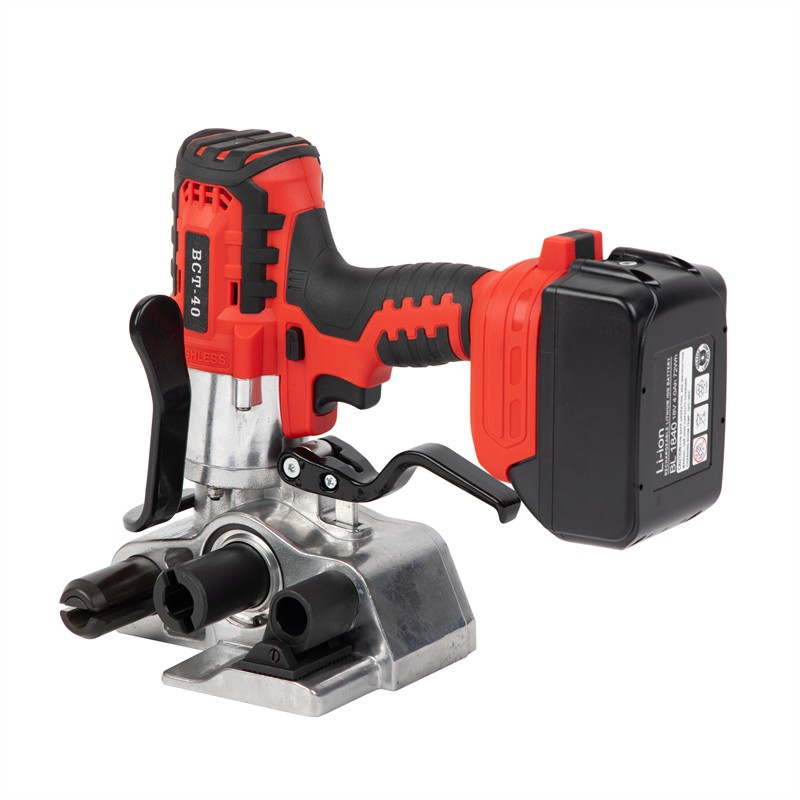
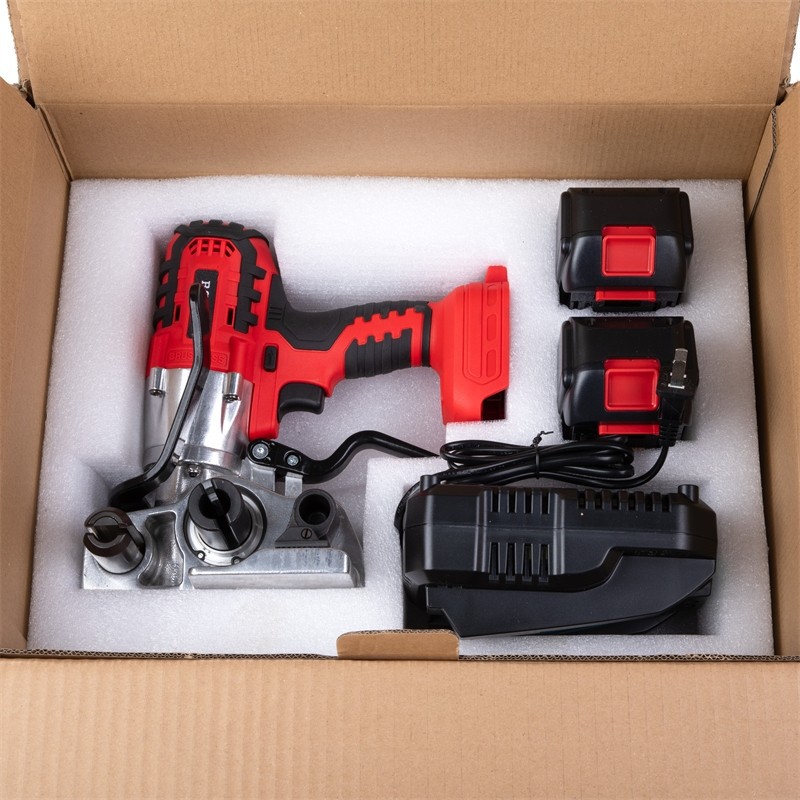
- Battery - Operated Strapping Machines: Consider using a BCT40 Battery Operated Strapping Machine For Cord Strapping 40mm in combination with the pneumatic tensioner. These machines can be more portable and convenient, especially for applications where access to compressed air is limited.
- Plastic Strapping Tools: Plastic Strapping Tool can be used for lighter - duty strapping applications or for quick repairs. Having a variety of tools on hand can ensure that you have the right tool for the job, improving overall efficiency.
- Cord Strapping Tensioners: Cord Strapping Tensioner are specifically designed for use with cord strapping. Using the right tensioner for the type of strapping can improve the quality of the strapping and the efficiency of the process.
Contact for Purchase and Consultation
If you're looking to improve the efficiency of your strapping operations or are interested in purchasing a high - quality pneumatic tensioner or related tools, we're here to help. Our team of experts can provide you with detailed information, product recommendations, and support to ensure that you get the most out of your investment. Feel free to reach out to us to start a discussion about your specific needs and how we can assist you in achieving greater efficiency in your packaging processes.
References
- Manufacturer's manuals for pneumatic tensioners
- Industry standards and best practices for strapping operations
- Research on the impact of air quality and pressure on pneumatic tools