

Hey there! As a supplier of steel strapping sealers, I've seen firsthand how crucial it is to ensure the accuracy of sealing when using these tools. Whether you're in the shipping, manufacturing, or logistics industry, getting a tight and secure seal is essential for keeping your products safe and secure during transit. In this blog post, I'll share some tips and tricks on how to ensure the accuracy of sealing with a steel strapping sealer.
Choose the Right Sealer for the Job
The first step in ensuring accurate sealing is to choose the right steel strapping sealer for the job. There are several types of sealers available on the market, each designed for specific applications and strapping materials. For example, if you're working with heavy-duty steel strapping, you'll need a sealer that can handle the thickness and strength of the material. On the other hand, if you're using lighter gauge strapping, a smaller, more lightweight sealer may be sufficient.
One of our popular products, the SKS-32 Industrial Steel Strapping Sealer, is a great option for heavy-duty applications. It's designed to work with steel strapping ranging from 1/2" to 1-1/4" in width and can handle strapping thicknesses up to 0.05". This sealer is built to last, with a durable construction and a high-quality sealing mechanism that ensures a tight and secure seal every time.
Prepare the Strapping and Seals
Before you start sealing, it's important to prepare the strapping and seals properly. Make sure the strapping is clean and free of any debris or contaminants that could affect the sealing process. Cut the strapping to the appropriate length, leaving enough excess to wrap around the package and create a secure seal.
When it comes to the seals, choose the right type and size for your strapping. There are several types of seals available, including notch seals, friction seals, and crimp seals. Each type of seal has its own advantages and disadvantages, so it's important to choose the one that's best suited for your application.
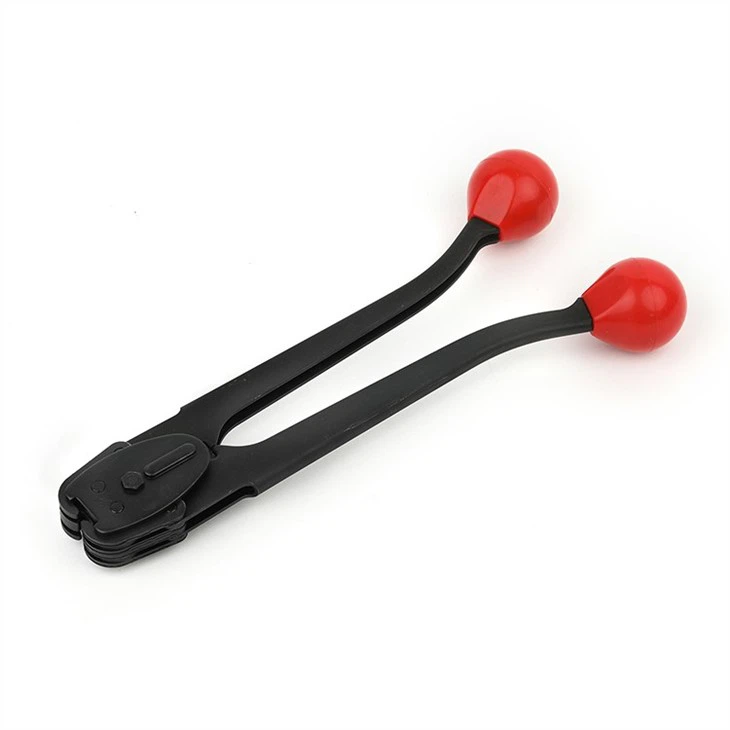
Our Steel Strapping Crimper is a great tool for creating crimp seals. It's easy to use and can be adjusted to fit different sizes of strapping and seals. Simply place the seal over the overlapping ends of the strapping, insert the crimper, and squeeze the handles to create a tight and secure seal.

Position the Sealer Correctly
Proper positioning of the sealer is crucial for ensuring accurate sealing. Place the sealer over the overlapping ends of the strapping, making sure the seal is centered and aligned with the strapping. Apply firm pressure to the sealer to ensure a tight and secure seal.
When using a pneumatic sealer, such as our Pneumatic Steel Strapping Machine, make sure the air pressure is set correctly. Too much pressure can cause the seal to break or damage the strapping, while too little pressure can result in a loose or ineffective seal.
Check the Seal for Accuracy
After you've created the seal, it's important to check it for accuracy. Look for any signs of damage or weakness in the seal, such as cracks, breaks, or loose ends. If the seal doesn't look right, remove it and try again.
You can also use a seal tester to check the strength and integrity of the seal. A seal tester measures the force required to break the seal, giving you an indication of its strength and reliability.
Maintain Your Sealer Regularly
Regular maintenance is essential for keeping your steel strapping sealer in good working condition. Clean the sealer after each use to remove any debris or contaminants that could affect the sealing process. Lubricate the moving parts of the sealer regularly to ensure smooth operation.
Inspect the sealer for any signs of wear or damage, such as worn blades, springs, or seals. Replace any worn or damaged parts as soon as possible to prevent further damage to the sealer.
Train Your Employees
Proper training is essential for ensuring accurate sealing with a steel strapping sealer. Make sure your employees are trained on how to use the sealer correctly, including how to prepare the strapping and seals, position the sealer, and check the seal for accuracy.
Provide your employees with regular refresher training to keep their skills up-to-date and ensure they're using the sealer safely and effectively.
Conclusion
Ensuring the accuracy of sealing with a steel strapping sealer is essential for keeping your products safe and secure during transit. By choosing the right sealer for the job, preparing the strapping and seals properly, positioning the sealer correctly, checking the seal for accuracy, maintaining your sealer regularly, and training your employees, you can ensure a tight and secure seal every time.
If you're in the market for a steel strapping sealer or have any questions about our products, please don't hesitate to contact us. We'd be happy to help you find the right solution for your needs and provide you with the support and training you need to use our products safely and effectively.
References
- Packaging Machinery Manufacturers Institute (PMMI). (2023). Steel Strapping Tools and Equipment. Retrieved from [PMMI Website]
- Industrial Packaging. (2023). How to Choose the Right Steel Strapping Sealer. Retrieved from [Industrial Packaging Website]