

How to Ensure a Tight Seal When Using Strapping PET
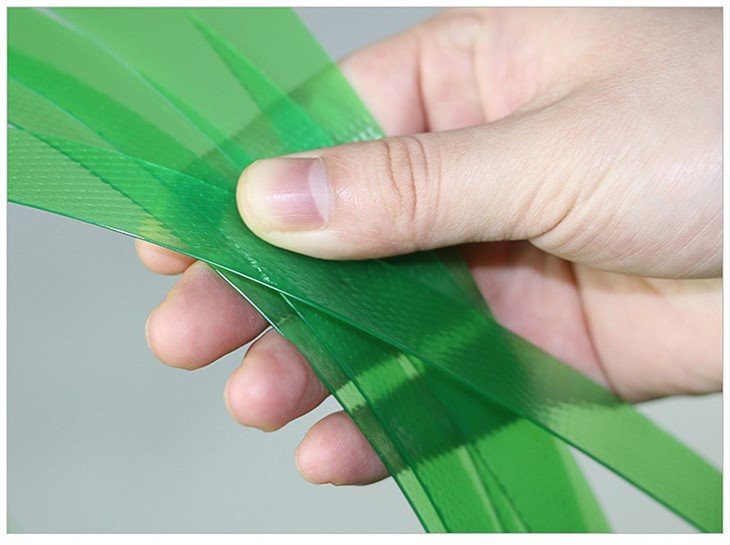
As a Strapping PET supplier, I've witnessed firsthand the importance of achieving a tight seal when utilizing this high - performance strapping material. Strapping PET, known for its high tensile strength, excellent durability, and resistance to moisture, is widely used in various industries to secure packages and pallets. A tight seal not only ensures the safety of the goods during transit and storage but also maximizes the efficiency of the strapping process.
Understanding Strapping PET Basics
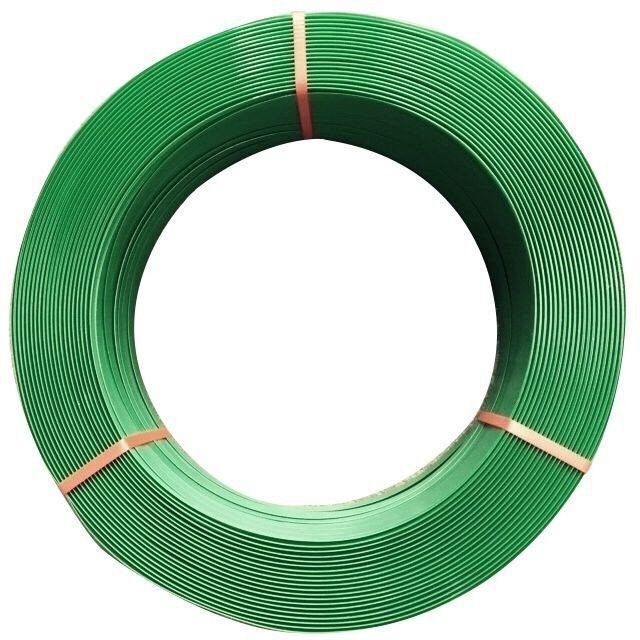
Before delving into the methods of ensuring a tight seal, it's essential to understand the unique characteristics of Strapping PET. PET or Polyethylene Terephthalate is a synthetic resin polymer. Strapping PET is made from it, boasting high break strength, which can bear heavy loads without breaking. This makes it suitable for a wide range of applications, from light - duty package bundling to heavy - duty industrial palletizing. You can explore more about Strapping PET on our product page Strapping PET.
Selecting the Right Tools
One of the first steps in achieving a tight seal with Strapping PET is choosing the appropriate tools. Strapping Dispensers are essential equipment in the strapping process. They help in unwinding the strapping material smoothly and efficiently, ensuring that there are no tangles or kinks that could affect the sealing process. A good quality dispenser also provides better control over the tension of the strap. You can find a variety of high - quality Strapping Dispensers on our website that are designed to work seamlessly with Strapping PET.
The Importance of Tensioning
Tensioning is a crucial factor in securing a tight seal. When the PET strapping is properly tensioned, it adheres closely to the package or pallet, preventing movement and slippage. To achieve the right tension, you can use a tensioning tool. Manual tensioning tools are suitable for light - to medium - duty applications, while pneumatic or battery - operated ones are ideal for heavy - duty and high - volume operations.
When using a tensioning tool, it's important to apply consistent and appropriate force. Over - tensioning can cause the strapping to break, especially if the load is not completely stable. On the other hand, under - tensioning will result in a loose seal, making the package or pallet vulnerable to damage during handling.
Sealing Methods
There are several sealing methods for Strapping PET, each with its own advantages and considerations.
- Heat Sealing: Heat sealing is a popular method for creating a strong and reliable seal with Strapping PET. This process involves heating the ends of the strap until the plastic softens, then pressing them together to form a bond. Heat sealing provides a continuous seal, which is often stronger than other methods. To ensure a proper heat seal, it's important to use a heat - sealing tool that is specifically designed for Strapping PET. The tool should be able to reach the correct temperature and maintain it for the appropriate amount of time. Different thicknesses and grades of Strapping PET may require different heat settings, so it's crucial to follow the manufacturer's guidelines.
- Friction Welding: Friction welding is another effective sealing method for Strapping PET. In this process, the ends of the strap are rubbed together at high speed to generate heat through friction. The heat melts the plastic, and when the rubbing stops, the melted ends bond together as they cool. Friction welding creates a strong and durable seal that can withstand significant stress. However, it requires a specialized friction - welding tool, and the operator needs to be trained to ensure proper operation.
- Seal Buckles: Seal buckles are a simple and cost - effective sealing option. They involve inserting the ends of the strap through a metal or plastic buckle and then crimping the buckle to secure the strap in place. While seal buckles are easy to use, they may not provide as strong a seal as heat sealing or friction welding. However, they are still suitable for many light - to medium - duty applications.
Surface Preparation
The surface of the package or pallet also plays a role in ensuring a tight seal. If the surface is dirty, greasy, or uneven, it can prevent the strap from making good contact and may reduce the effectiveness of the seal. Before applying the Strapping PET, make sure the surface is clean and dry. If necessary, you can use a mild detergent to clean the surface and then allow it to dry completely.
For uneven surfaces, you can use corner protectors or padding to create a more even contact area for the strap. This helps to distribute the stress more evenly and reduces the risk of the strap cutting into the package or coming loose.
Quality Control
Implementing a quality control system is essential to ensure that all sealed packages and pallets meet the required standards. Regularly inspect the sealed straps for signs of damage, such as cuts, fraying, or loose seals. You can also perform occasional tensile tests on the sealed straps to ensure that they can withstand the expected load.
If any issues are detected during the inspection, take immediate corrective action. This may involve re - tensioning the strap, re - sealing it using the appropriate method, or replacing the damaged strap with a new one.
Training and Operator Skills
Proper training of the operators is vital for achieving a tight seal consistently. Operators should be familiar with the characteristics of Strapping PET, the operation of the tensioning and sealing tools, and the importance of following the correct procedures.
Training sessions should cover topics such as tool setup, tension adjustment, sealing methods, and troubleshooting common problems. By investing in operator training, you can improve the quality of the sealing process and reduce the likelihood of errors and rework.
Conclusion
Ensuring a tight seal when using Strapping PET is a multi - faceted process that involves the selection of the right tools, proper tensioning, appropriate sealing methods, surface preparation, quality control, and operator training. As a reliable Strapping PET supplier, we are committed to providing high - quality products and comprehensive support to help you achieve optimal results.
If you are looking for high - quality Strapping PET or need advice on how to improve your strapping process, we encourage you to contact us for procurement and further discussion. Our team of experts is ready to assist you in finding the best solutions for your specific needs.
References
- Packaging Machinery Manufacturers Institute (PMMI). Packaging Technology and Industry Insights.
- Various industry guidelines and best practices for strapping and packaging.
- Research studies on the performance and characteristics of Polyethylene Terephthalate (PET) in strapping applications.