

Cutting packing tape neatly is a skill that can significantly enhance the efficiency and professionalism of your packing process. As a seasoned Packing Accessories supplier, I've witnessed firsthand the impact that proper tape - cutting techniques can have on businesses and individuals alike. In this blog, I'll share some tried - and - true methods to help you achieve clean, precise cuts every time.
Understanding Your Packing Tape
Before delving into the cutting techniques, it's essential to understand the different types of packing tape available. There are various materials and thicknesses, each with its own unique properties. For instance, Strapping PET is a popular choice due to its high strength and durability. It's commonly used for securing heavy - duty packages.

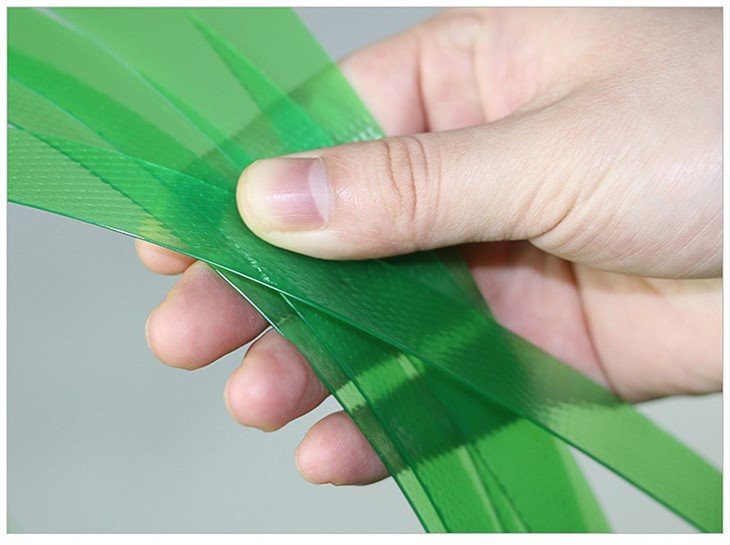
When selecting a packing tape, consider the weight and size of the items you'll be packing. Thicker tapes are generally better for heavier items, while thinner tapes may suffice for lighter packages. Additionally, take into account the environment in which the packages will be stored or transported. Some tapes are more resistant to moisture, heat, or cold than others.
Choosing the Right Cutting Tool
The tool you use to cut packing tape can make a world of difference. Here are some common options:
Utility Knives
Utility knives are a classic choice for cutting packing tape. They offer a sharp, precise blade that can easily slice through most types of tape. When using a utility knife, make sure the blade is sharp. A dull blade can cause the tape to tear unevenly or leave jagged edges.
To use a utility knife effectively, hold the tape firmly with one hand and position the blade at a slight angle against the tape. Apply gentle pressure and make a smooth, continuous cut. Be careful not to apply too much pressure, as this can cause the blade to slip and potentially injure you.
Tape Cutters
Tape cutters are specifically designed for cutting packing tape. They come in various shapes and sizes, from handheld models to larger, table - mounted units. Handheld tape cutters are convenient for small - scale packing jobs, while table - mounted cutters are ideal for high - volume packing operations.
One of the advantages of using a tape cutter is that it provides a consistent, clean cut. Most tape cutters have a serrated edge that grips the tape and cuts it smoothly. To use a tape cutter, simply place the tape under the cutting edge and pull the tape across the cutter. The serrated edge will do the rest.
Scissors
Scissors can also be used to cut packing tape, although they may not be as precise as utility knives or tape cutters. When using scissors, choose a pair with sharp blades and a comfortable grip. Make sure the scissors are large enough to handle the width of the tape.
To cut tape with scissors, hold the tape taut and position the scissors at the desired cutting point. Close the scissors slowly and steadily, applying even pressure to ensure a clean cut.
Preparing the Tape for Cutting
Proper preparation of the tape can make the cutting process much easier. Here are some tips:
Smooth Out the Tape
Before cutting the tape, make sure it is smooth and free of wrinkles or air bubbles. Wrinkled tape can be difficult to cut cleanly and may result in an uneven cut. To smooth out the tape, run your fingers along the surface of the tape to remove any air bubbles or wrinkles.
Position the Tape Correctly
When cutting the tape, it's important to position it correctly. If you're using a utility knife or scissors, hold the tape at a slight angle to make the cutting process easier. If you're using a tape cutter, make sure the tape is aligned with the cutting edge.
Cutting Techniques
Now that you've chosen the right tool and prepared the tape, it's time to learn some cutting techniques.
The Straight - Line Cut
The straight - line cut is the most basic cutting technique. To make a straight - line cut, hold the cutting tool firmly and make a smooth, continuous motion along the length of the tape. Keep your hand steady and apply even pressure to ensure a clean cut.
The Angled Cut
An angled cut can be useful in certain situations, such as when you need to seal a package at an angle. To make an angled cut, position the cutting tool at the desired angle and make a smooth cut along the tape.
The Curved Cut
Curved cuts are less common but may be necessary for some packing applications. To make a curved cut, use a flexible cutting tool, such as a utility knife with a thin blade. Make small, incremental cuts along the curve, following the shape of the package.
Maintaining Your Cutting Tools
To ensure that your cutting tools continue to provide clean, precise cuts, it's important to maintain them properly.
Sharpening Blades
If you're using a utility knife or scissors, make sure to sharpen the blades regularly. A sharp blade will make the cutting process easier and result in a cleaner cut. You can use a sharpening stone or a blade sharpener to sharpen the blades.
Cleaning Tape Cutters
Tape cutters can accumulate tape residue over time, which can affect their performance. To clean a tape cutter, use a clean cloth or a brush to remove any tape residue from the cutting edge. You can also use a mild detergent and water to clean the cutter if necessary.
Using Strapping Dispensers
In addition to cutting tape, Strapping Dispensers can play a crucial role in the packing process. Strapping dispensers are used to hold and dispense strapping materials, such as Strapping PET.
When using a strapping dispenser, make sure it is properly adjusted to the width and thickness of the strapping material. This will ensure that the strapping is dispensed smoothly and evenly. Additionally, keep the dispenser clean and free of debris to prevent jams.
Conclusion
Cutting packing tape neatly is an important skill that can improve the efficiency and appearance of your packing process. By understanding the different types of packing tape, choosing the right cutting tool, preparing the tape correctly, and using proper cutting techniques, you can achieve clean, precise cuts every time.
As a Packing Accessories supplier, I'm committed to providing high - quality products and helpful advice to our customers. If you're interested in learning more about our packing accessories or have any questions about cutting packing tape, please don't hesitate to contact us for a procurement discussion. We look forward to helping you streamline your packing process and achieve the best results.
References
- Packaging Industry Handbook: A comprehensive guide to packing materials and techniques.
- Professional Packing Magazine: Articles and research on the latest trends in packing.