

Hey there! As a packing accessories supplier, I get asked all the time about how to choose the right packing adhesive. It's a crucial decision, as the wrong adhesive can lead to packages coming apart during transit, which is a nightmare for both businesses and customers. In this blog post, I'll share some tips and tricks to help you make the best choice for your packing needs.
Understanding Your Packing Requirements
First things first, you need to understand your specific packing requirements. What kind of items are you packing? Are they heavy, light, fragile, or irregularly shaped? The nature of your products will play a big role in determining the type of adhesive you need.
For example, if you're packing heavy items, you'll need a strong adhesive that can withstand a lot of weight and pressure. On the other hand, if you're packing fragile items, you'll want an adhesive that's gentle and won't damage the product. Irregularly shaped items may require an adhesive that can conform to their shape and provide a secure hold.
Another important factor to consider is the environment in which your packages will be shipped. Will they be exposed to extreme temperatures, humidity, or moisture? If so, you'll need an adhesive that can withstand these conditions without losing its strength or integrity.
Types of Packing Adhesives
There are several types of packing adhesives available on the market, each with its own unique properties and benefits. Here are some of the most common types:
Hot Melt Adhesives
Hot melt adhesives are one of the most popular choices for packing applications. They're easy to use, fast-drying, and provide a strong bond. Hot melt adhesives are typically applied using a hot glue gun or a specialized dispenser.
One of the main advantages of hot melt adhesives is their versatility. They can be used on a wide range of materials, including paper, cardboard, plastic, and metal. They're also resistant to moisture and humidity, making them a good choice for packages that will be shipped in wet or humid conditions.
However, hot melt adhesives do have some limitations. They can be brittle at low temperatures, which can cause them to crack or break. They also have a relatively short open time, which means you need to work quickly when applying them.
Pressure-Sensitive Adhesives
Pressure-sensitive adhesives (PSAs) are another popular choice for packing applications. They're easy to apply and don't require any heat or solvents. PSAs work by sticking to a surface when pressure is applied, and they can be removed without leaving any residue.
One of the main advantages of PSAs is their flexibility. They can be used on a wide range of materials, including paper, cardboard, plastic, and metal. They're also resistant to moisture and humidity, making them a good choice for packages that will be shipped in wet or humid conditions.
However, PSAs do have some limitations. They can be less strong than hot melt adhesives, especially when used on heavy or irregularly shaped items. They also have a relatively short shelf life, which means you need to use them within a certain period of time.
Water-Based Adhesives
Water-based adhesives are a more environmentally friendly option for packing applications. They're made from natural or synthetic polymers that are dissolved in water, and they don't contain any harmful solvents or chemicals.
One of the main advantages of water-based adhesives is their low toxicity. They're safe to use and don't emit any harmful fumes or odors. They're also easy to clean up, as they can be washed away with water.
However, water-based adhesives do have some limitations. They can take longer to dry than hot melt or pressure-sensitive adhesives, which can slow down the packing process. They're also less resistant to moisture and humidity, which can cause them to lose their strength or integrity.
Solvent-Based Adhesives
Solvent-based adhesives are a strong and durable option for packing applications. They're made from synthetic polymers that are dissolved in a solvent, and they provide a very strong bond.
One of the main advantages of solvent-based adhesives is their strength. They can be used on a wide range of materials, including paper, cardboard, plastic, and metal. They're also resistant to moisture and humidity, making them a good choice for packages that will be shipped in wet or humid conditions.
However, solvent-based adhesives do have some limitations. They can be toxic and emit harmful fumes and odors, which can be a health hazard. They're also more difficult to clean up, as they require a special solvent to remove.
Factors to Consider When Choosing a Packing Adhesive
Now that you have a better understanding of the different types of packing adhesives available, let's take a look at some of the factors you should consider when choosing the right adhesive for your needs.
Strength and Durability
The strength and durability of the adhesive are crucial factors to consider. You need an adhesive that can provide a strong bond and withstand the rigors of shipping and handling. Consider the weight and size of your packages, as well as the type of materials you're using, when choosing an adhesive.
Compatibility
The adhesive you choose should be compatible with the materials you're using. Some adhesives may not bond well with certain materials, or they may cause damage to the surface. Make sure to test the adhesive on a small area of the material before using it on your packages.
Application Method
The application method of the adhesive is also an important factor to consider. Some adhesives require special equipment, such as a hot glue gun or a dispenser, while others can be applied by hand. Consider your packing process and the equipment you have available when choosing an adhesive.
Drying Time
The drying time of the adhesive is another important factor to consider. Some adhesives dry quickly, while others take longer. If you're packing a large number of packages, you may want to choose an adhesive that dries quickly to speed up the process.
Cost
The cost of the adhesive is also a factor to consider. Some adhesives are more expensive than others, so you'll need to balance the cost with the performance and quality of the adhesive. Consider the volume of packages you're packing and the frequency of your shipments when choosing an adhesive.
Where to Find Packing Adhesives
As a packing accessories supplier, I offer a wide range of packing adhesives to meet your needs. Whether you're looking for hot melt adhesives, pressure-sensitive adhesives, water-based adhesives, or solvent-based adhesives, I have the products you need.
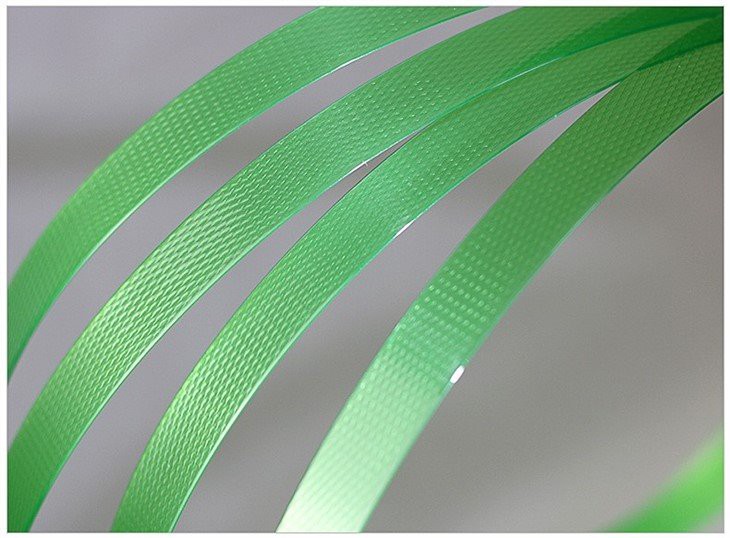
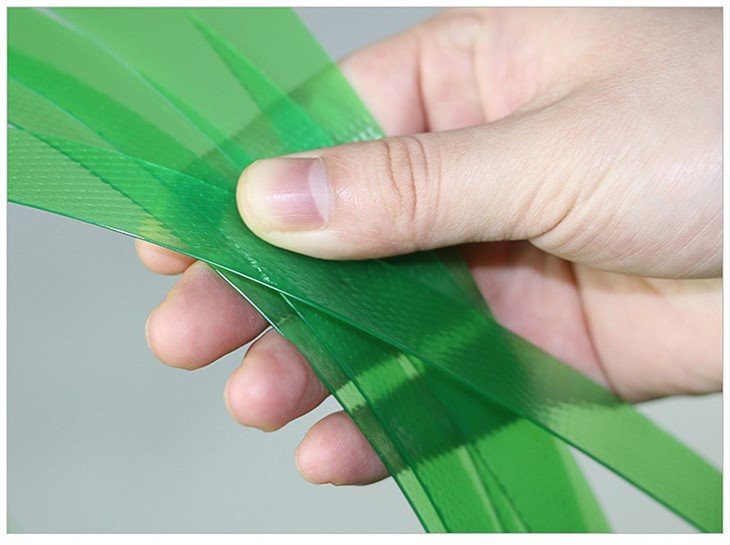
In addition to packing adhesives, I also offer a variety of other packing accessories, such as Strapping Dispensers and Strapping PET. These products can help you improve the efficiency and effectiveness of your packing process.
If you're interested in learning more about our packing adhesives or other packing accessories, please don't hesitate to contact me. I'd be happy to answer any questions you may have and help you choose the right products for your needs.
Conclusion
Choosing the right packing adhesive is an important decision that can have a big impact on the success of your packing process. By understanding your packing requirements, the different types of adhesives available, and the factors to consider when choosing an adhesive, you can make an informed decision and choose the right product for your needs.
As a packing accessories supplier, I'm here to help you every step of the way. Whether you need advice on choosing the right adhesive or you're looking for high-quality packing products, I have the expertise and the products you need. Contact me today to learn more about our packing adhesives and other packing accessories.
References
- Packaging Machinery Manufacturers Institute (PMMI). (2023). Packing Adhesives: A Guide to Choosing the Right Product. Retrieved from [PMMI Website]
- Adhesive and Sealant Council (ASC). (2023). Types of Adhesives for Packaging Applications. Retrieved from [ASC Website]
- Packaging Digest. (2023). The Future of Packing Adhesives: Trends and Innovations. Retrieved from [Packaging Digest Website]