

In the realm of packaging and shipping, Poly Strapping Sealers play a pivotal role. As a dedicated supplier of these essential tools, I've witnessed firsthand the significance they hold in ensuring secure and efficient strapping operations. One question that frequently arises from our customers is, "How long does a Poly Strapping Sealer last?" In this blog, I'll delve into the factors that influence the lifespan of a Poly Strapping Sealer and provide insights to help you make the most of your investment.
Understanding Poly Strapping Sealers
Before we discuss their lifespan, let's briefly understand what Poly Strapping Sealers are. A Poly Strapping Sealer is a device used to join polypropylene or polyester strapping together. These sealers are available in various types, including manual, pneumatic, and battery - operated, each designed to meet different strapping needs. They are widely used in industries such as logistics, manufacturing, and warehousing to secure packages, pallets, and other goods for transportation and storage.
Factors Affecting the Lifespan of a Poly Strapping Sealer
1. Quality of the Sealer
The build quality of the Poly Strapping Sealer is a fundamental factor in determining its lifespan. High - quality sealers are constructed with durable materials and precision engineering. They are designed to withstand the rigors of regular use and are less likely to break down prematurely. For instance, a well - made sealer may have a robust frame, high - grade internal components, and a reliable sealing mechanism. When you invest in a top - notch Poly Strapping Sealer, you can expect it to serve you for a longer period compared to a cheaper, lower - quality alternative.
2. Frequency of Use
The more frequently a Poly Strapping Sealer is used, the more wear and tear it will experience. In a high - volume production environment where the sealer is in constant operation, it will naturally reach the end of its useful life sooner than in a low - volume setting. For example, a small business that only straps a few packages a day may find that their sealer lasts for several years, while a large distribution center that straps hundreds or thousands of packages daily may need to replace their sealer more frequently.
3. Maintenance and Care
Proper maintenance is crucial for extending the lifespan of a Poly Strapping Sealer. Regular cleaning, lubrication, and inspection can prevent the build - up of dirt and debris, which can cause components to wear out faster. It's also important to replace worn - out parts promptly. For example, if the sealing jaws start to show signs of wear, replacing them in a timely manner can prevent further damage to the sealer and ensure consistent sealing performance. Additionally, following the manufacturer's maintenance guidelines can significantly impact the sealer's longevity.
4. Operating Conditions
The environment in which the Poly Strapping Sealer is used can also affect its lifespan. Harsh conditions such as high humidity, extreme temperatures, and dusty or dirty environments can accelerate the deterioration of the sealer. For example, a sealer used in a coastal warehouse where there is high humidity may be more prone to corrosion, while a sealer used in a construction site with a lot of dust may experience more frequent clogging. In contrast, a sealer used in a clean, climate - controlled environment will generally last longer.
5. Type of Strapping Material
The type of strapping material used with the sealer can also influence its lifespan. Polypropylene and polyester strapping have different characteristics, and some sealers may be better suited for one type over the other. Using the wrong type of strapping can put additional stress on the sealer and cause premature wear. For example, if a sealer is designed for polypropylene strapping and is used with a thicker or more rigid polyester strapping, it may struggle to achieve a proper seal and may experience more mechanical stress.
Average Lifespan of Different Types of Poly Strapping Sealers
Manual Poly Strapping Sealers
Manual sealers are the most basic type of Poly Strapping Sealer. They are typically used in low - volume applications and are relatively inexpensive. With proper maintenance, a manual sealer can last anywhere from 5 to 10 years. However, if it is used frequently or in harsh conditions, its lifespan may be shorter.
Pneumatic Poly Strapping Sealers
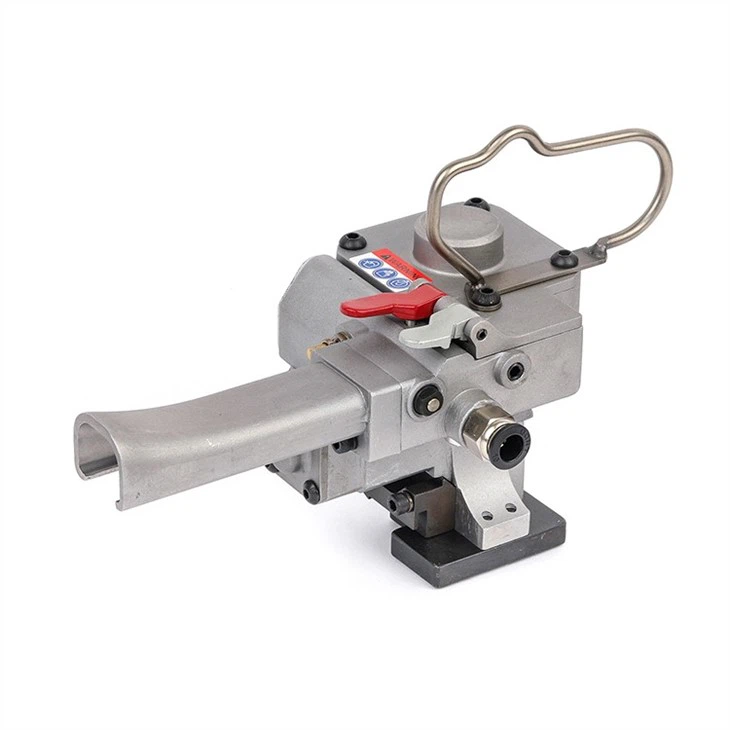
Pneumatic sealers are powered by compressed air and are commonly used in medium - to high - volume applications. These sealers are generally more durable than manual sealers but are also more complex. With regular maintenance and proper use, a Pneumatic Strapping Tool can last between 7 and 15 years. However, factors such as the quality of the compressed air supply and the frequency of use can significantly impact its lifespan.
Battery - Operated Poly Strapping Sealers
Battery - operated sealers offer the advantage of portability and are suitable for a wide range of applications. The lifespan of a battery - operated sealer depends largely on the quality of the battery and the frequency of charging. On average, a well - maintained battery - operated sealer can last between 5 and 12 years. However, the battery itself may need to be replaced every 2 to 5 years, depending on usage.
Extending the Lifespan of Your Poly Strapping Sealer
Training
Proper training of operators is essential for ensuring the long - term performance of the sealer. Operators should be trained on how to use the sealer correctly, including how to load the strapping, adjust the tension, and operate the sealing mechanism. Incorrect operation can cause unnecessary stress on the sealer and lead to premature wear.
Regular Inspections
Conducting regular inspections of the sealer can help identify potential problems before they become major issues. Inspect the sealing jaws, tensioning mechanism, and other components for signs of wear, damage, or misalignment. If any issues are detected, they should be addressed immediately.
Using the Right Strapping Material
As mentioned earlier, using the correct type of strapping material for your sealer is crucial. Make sure to consult the manufacturer's guidelines to determine the appropriate strapping width, thickness, and type for your sealer.
Upgrading Components
In some cases, upgrading certain components of the sealer can extend its lifespan. For example, replacing the sealing jaws with higher - quality, more durable ones can improve the sealing performance and reduce wear on the sealer.
Conclusion
The lifespan of a Poly Strapping Sealer can vary widely depending on several factors, including quality, frequency of use, maintenance, operating conditions, and the type of strapping material. By understanding these factors and taking appropriate measures to care for your sealer, you can maximize its lifespan and get the most out of your investment.
If you're in the market for a Poly Strapping Sealer or a Plastic Strapping Sealer, we're here to help. Our team of experts can assist you in selecting the right sealer for your specific needs and provide guidance on maintenance and care. Contact us to start a discussion about your strapping requirements and explore how our high - quality sealers can enhance your packaging operations.

References
- Packaging Machinery Manufacturers Institute (PMMI). "Best Practices for Strapping Tool Maintenance."
- Industry reports on packaging equipment durability and lifespan.