

As a supplier of cord strapping tools, one of the most frequently asked questions I encounter from customers is, "How long does a cord strapping tool last?" This is a crucial inquiry, as understanding the lifespan of these tools helps businesses plan their budgets, manage their inventory, and ensure uninterrupted operations. In this blog post, I'll delve into the factors that influence the longevity of cord strapping tools and provide some insights on how to maximize their service life.
Factors Affecting the Lifespan of Cord Strapping Tools
1. Quality of the Tool
The quality of the cord strapping tool is perhaps the most significant factor determining its lifespan. High - quality tools are typically made from durable materials such as hardened steel, aluminum alloys, and high - grade plastics. These materials can withstand the rigors of regular use, including repeated tensioning and sealing operations.
For example, a well - crafted Cord Strap Tensioner from a reputable manufacturer will have precision - engineered components that are less likely to wear out quickly. On the other hand, cheaper, low - quality tools may be made from substandard materials that can break or malfunction after only a few uses.
2. Frequency of Use
The more frequently a cord strapping tool is used, the shorter its lifespan is likely to be. Tools that are used in high - volume production environments, such as large warehouses or manufacturing plants, will experience more wear and tear compared to those used occasionally in small - scale operations.
For instance, if a Cord Strapping Tensioner is used to strap dozens of packages per hour, every day, the moving parts will be subject to constant friction and stress. Over time, this can lead to the degradation of components such as gears, springs, and blades.
3. Type of Strapping Material
The type of cord strapping material used with the tool can also impact its lifespan. Different materials have different properties, such as hardness, flexibility, and abrasiveness. For example, poly cord strapping is generally softer and more flexible than steel strapping. Using a Poly Cord Strapping Tensioner with poly cord strapping is less likely to cause excessive wear on the tool's components compared to using it with a more abrasive material.
Steel strapping, on the other hand, can be very harsh on the tool's cutting and tensioning mechanisms. The sharp edges of steel strapping can cause premature wear on blades and other contact surfaces, reducing the tool's overall lifespan.
4. Maintenance and Care
Proper maintenance and care are essential for extending the lifespan of cord strapping tools. Regular cleaning, lubrication, and inspection can prevent the build - up of dirt, debris, and rust, which can cause components to seize up or malfunction.
For example, lubricating the moving parts of a cord strapping tool at regular intervals can reduce friction and wear. Inspecting the tool for signs of damage, such as cracked handles or worn - out blades, and replacing damaged parts promptly can also prevent further damage and extend the tool's life.
Average Lifespan of Cord Strapping Tools
It's difficult to provide an exact figure for how long a cord strapping tool will last, as it depends on the factors mentioned above. However, with proper maintenance and normal use, a high - quality cord strapping tool can last anywhere from 3 to 10 years.
In a low - volume usage scenario, such as a small business that straps a few packages per week, a well - maintained tool may last up to 10 years. In a high - volume production environment, the lifespan may be closer to 3 - 5 years.
Tips to Maximize the Lifespan of Cord Strapping Tools
1. Choose the Right Tool for the Job
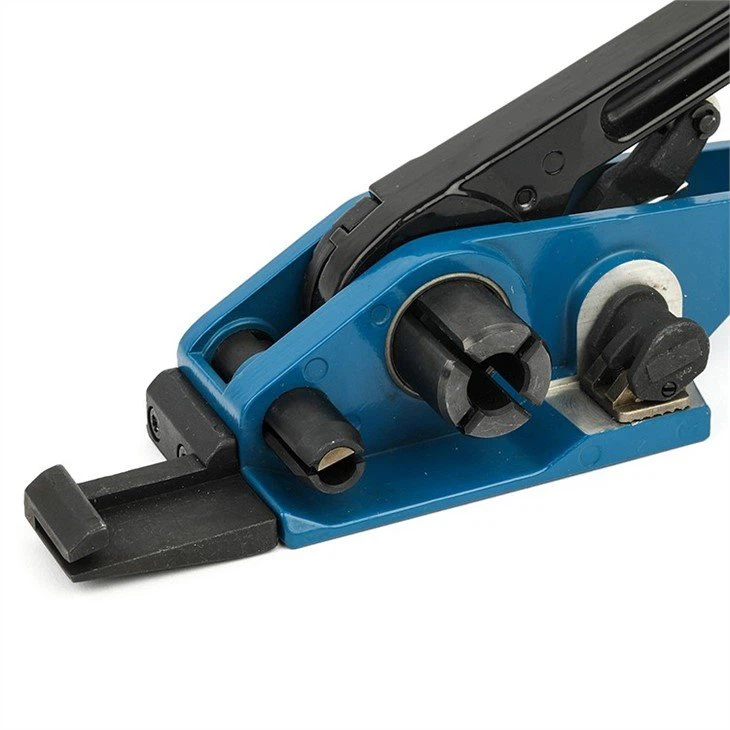
Selecting the appropriate cord strapping tool for the type of strapping material and the volume of work is crucial. Using a tool that is not designed for a particular application can lead to premature wear and damage. For example, if you are using poly cord strapping, make sure to use a Poly Cord Strapping Tensioner that is specifically designed for this material.

2. Follow the Manufacturer's Instructions
Manufacturers provide detailed instructions on how to use and maintain their cord strapping tools. Following these instructions carefully can help ensure the tool operates efficiently and lasts longer. This includes using the correct tension settings, lubricating the tool at the recommended intervals, and storing the tool properly when not in use.
3. Train Your Employees
Proper training of employees on how to use the cord strapping tools correctly is essential. Incorrect use, such as over - tensioning the strapping or using excessive force, can cause unnecessary stress on the tool's components and reduce its lifespan. Make sure your employees are aware of the proper operating procedures and safety guidelines.
4. Keep Spare Parts on Hand
Having a supply of spare parts, such as blades, springs, and gears, can help minimize downtime in case of a component failure. When a part starts to show signs of wear, you can replace it immediately, rather than waiting for a new part to be ordered and delivered.
Conclusion
The lifespan of a cord strapping tool is influenced by several factors, including the quality of the tool, frequency of use, type of strapping material, and maintenance and care. By understanding these factors and taking the necessary steps to maximize the tool's lifespan, businesses can save money in the long run and ensure smooth operations.
If you're in the market for high - quality cord strapping tools or need advice on how to maintain your existing tools, I encourage you to reach out to us. We're here to help you find the right solutions for your strapping needs. Whether you have questions about the lifespan of our tools, or you're interested in discussing a potential purchase, feel free to contact us for a detailed consultation.
References
- "Industrial Strapping Tools: A Guide to Selection and Maintenance." Industry Insights Journal, 20XX.
- Manufacturer's manuals for various cord strapping tools.