

When it comes to steel banding crimpers, the handle design plays a pivotal role in determining the comfort of users. As a prominent supplier of steel banding crimpers, we understand the significance of this aspect and its far - reaching implications for both the efficiency of operations and the well - being of workers.
Ergonomic Principles in Handle Design
Ergonomics is the science of designing products to fit the human body and its movements. In the context of steel banding crimpers, an ergonomic handle design is crucial. A well - designed handle should conform to the natural shape of the hand, reducing stress on the muscles, tendons, and joints. For example, a handle with a curved shape that matches the contour of the palm can distribute the pressure evenly across the hand. This is in contrast to a straight - edged handle, which may cause excessive pressure on certain areas, leading to discomfort and potentially long - term injuries such as carpal tunnel syndrome.
Studies have shown that workers who use tools with poor handle ergonomics are more likely to experience fatigue, pain, and reduced productivity. By investing in a steel banding crimper with an ergonomic handle, companies can not only improve the comfort of their employees but also enhance overall work efficiency. When workers are comfortable, they can focus better on the task at hand, resulting in fewer mistakes and higher - quality work.
Material Selection for Handles
The material used for the handle of a steel banding crimper also has a significant impact on comfort. Different materials offer various levels of grip, softness, and durability.
Rubber is a popular choice for handle materials due to its excellent grip. It provides a non - slip surface, which is essential when working with steel banding, as it often requires a firm hold. Rubber can also absorb vibrations, reducing the impact on the user's hand during the crimping process. However, the quality of rubber can vary. High - quality rubber will maintain its elasticity and grip over time, while lower - quality rubber may wear out quickly or become slippery when exposed to oil or other contaminants.
Plastic is another common material for handles. It is lightweight, which can reduce the overall weight of the tool and make it easier to handle for extended periods. Some plastics can be molded into complex shapes, allowing for a more customized and ergonomic design. However, plastic may not offer the same level of grip as rubber, especially in wet or oily conditions.
Wooden handles were once a popular choice, valued for their natural feel and aesthetic appeal. While they can provide a certain level of comfort, they are less common today due to concerns about durability and maintenance. Wood can be prone to cracking, splintering, and absorbing moisture, which can affect its performance and longevity.
Handle Size and Shape
The size and shape of the handle are also critical factors in determining comfort. A handle that is too small may require the user to grip it tightly, leading to muscle fatigue. On the other hand, a handle that is too large can be difficult to hold securely, increasing the risk of the tool slipping out of the hand during use.
The shape of the handle should also take into account the different hand sizes of users. A one - size - fits - all approach may not be sufficient, as people have varying hand dimensions. Some steel banding crimpers offer adjustable handles or come in different sizes to accommodate a wider range of users. For example, a handle with a tapered design can provide a better fit for different hand sizes, as the user can adjust their grip according to their needs.
Impact on Different User Groups
The handle design of steel banding crimpers can have different impacts on various user groups. For example, workers who use these tools for long periods throughout the day, such as those in a manufacturing or packaging environment, are more likely to experience the effects of a poorly designed handle. These workers may develop repetitive strain injuries if the handle does not provide adequate support and comfort.
In contrast, occasional users may not be as sensitive to handle design. However, even for these users, a comfortable handle can make the task easier and more enjoyable. For example, a homeowner who needs to use a steel banding crimper for a one - time project will appreciate a tool that is easy to hold and operate.
Our Product Offerings
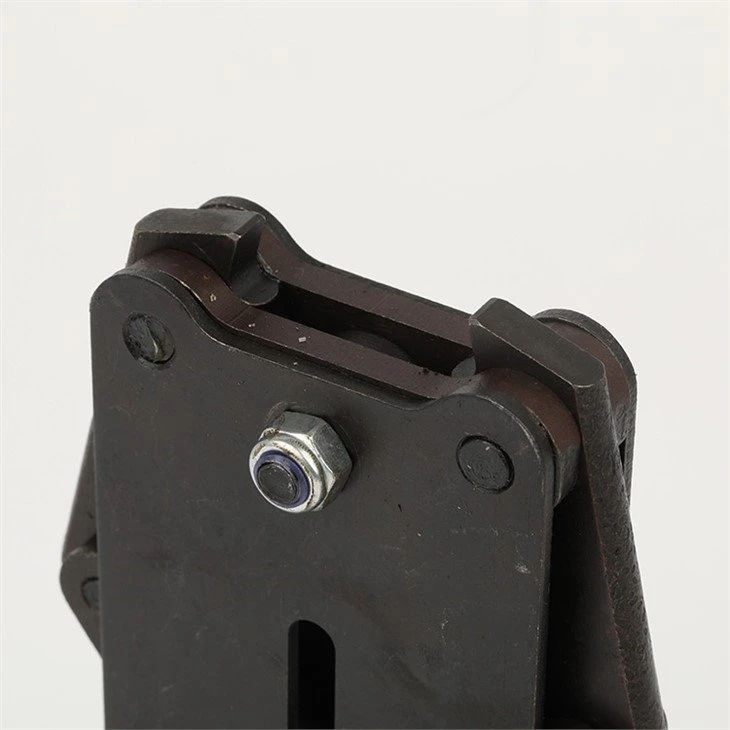
As a supplier of steel banding crimpers, we offer a range of products with different handle designs to meet the diverse needs of our customers. Our Strap Seal Crimping Tool features an ergonomic handle made of high - quality rubber. The curved shape of the handle conforms to the natural grip of the hand, reducing fatigue during extended use. The rubber material provides a secure grip, even in oily or wet conditions.
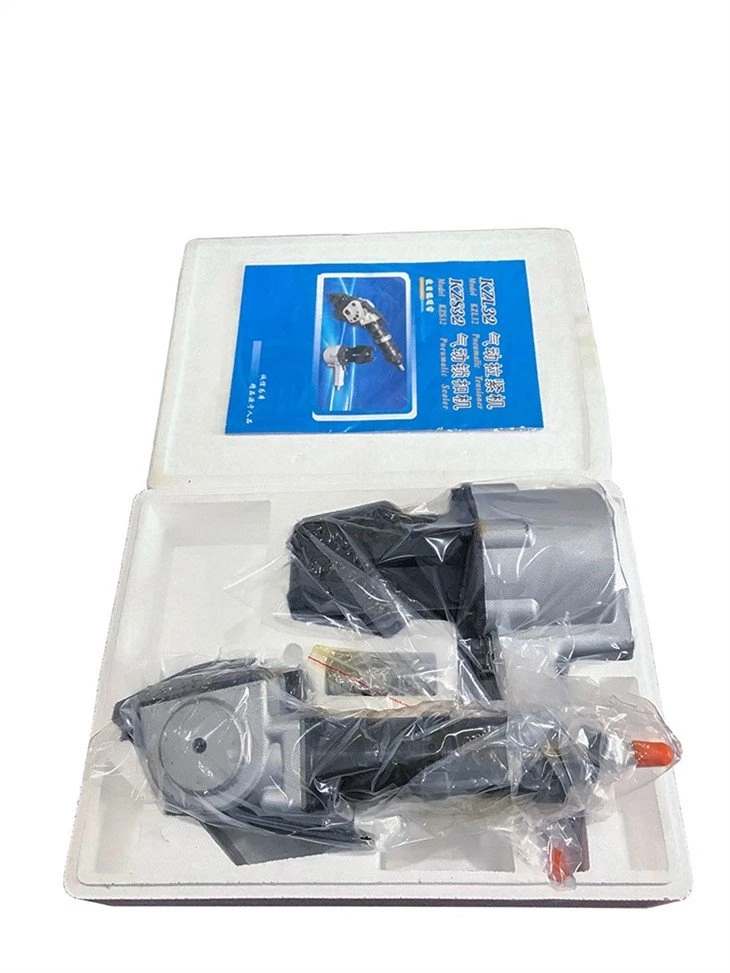
Our Pneumatic Steel Banding Tool is another example of our commitment to comfort. The handle is designed to be lightweight, making it easy to maneuver. It also has a shock - absorbing feature to reduce the impact of vibrations on the user's hand.
For more heavy - duty applications, our Pneumatic Tensioner for Steel Strapping has a handle that is specifically designed to provide maximum control and comfort. The handle is adjustable, allowing users to customize the grip according to their hand size and preference.
Conclusion
In conclusion, the handle design of steel banding crimpers has a profound impact on comfort. By considering ergonomic principles, material selection, size, and shape, manufacturers can create tools that are not only efficient but also comfortable to use. At our company, we are dedicated to providing high - quality steel banding crimpers with well - designed handles. We believe that by prioritizing comfort, we can help our customers improve their work efficiency and reduce the risk of injuries.
If you are interested in our steel banding crimpers or would like to discuss your specific requirements, we encourage you to contact us for procurement and further discussions. We look forward to serving you and helping you find the perfect tool for your needs.
References
- Grandjean, E. (1988). Fitting the Task to the Man: An Introduction to Ergonomics. Taylor & Francis.
- Konz, S., & Johnson, S. (2012). Work Design: Industrial Ergonomics. Cengage Learning.
- Kroemer, K. H. E., Kroemer, H. B., & Kroemer - Elbert, K. E. (2001). Engineering Physiology: Bases of Human Factors/Ergonomics. Prentice Hall.