

Hey there! As a supplier of Strapping Dispensers, I'm super stoked to break down how a hydraulic strapping dispenser functions. It's a pretty cool piece of equipment, and understanding its workings can help you make the most of it for your packaging needs.
The Basics of a Hydraulic Strapping Dispenser
First off, let's get a general idea of what a hydraulic strapping dispenser is. It's a tool used in packaging to apply straps around products or packages securely. These dispensers are especially handy when you're dealing with heavy-duty or large-scale packaging jobs. They use hydraulic power to make the strapping process easier and more efficient.
Key Components
Before we dive into how it functions, let's take a look at the main components of a hydraulic strapping dispenser.
- Hydraulic Pump: This is the heart of the dispenser. It generates the hydraulic pressure needed to operate the various parts of the machine. The pump is usually powered by an electric motor or a manual hand pump, depending on the model.
- Strap Feeding Mechanism: This part is responsible for pulling the strap from the reel and feeding it through the dispenser. It ensures a smooth and continuous supply of strap during the strapping process.
- Tensioning Unit: Once the strap is fed around the package, the tensioning unit comes into play. It tightens the strap around the package to the desired tension level. This is crucial for ensuring that the package is held together securely.
- Sealing Unit: After the strap is tensioned, the sealing unit seals the ends of the strap together. There are different types of sealing methods, such as heat sealing or friction welding, depending on the type of strap being used.
- Reel Holder: This is where the strap reel is placed. It allows the reel to rotate freely as the strap is being pulled off, ensuring a smooth and consistent feed.
How It All Works
Now that we know the main components, let's walk through the step-by-step process of how a hydraulic strapping dispenser functions.
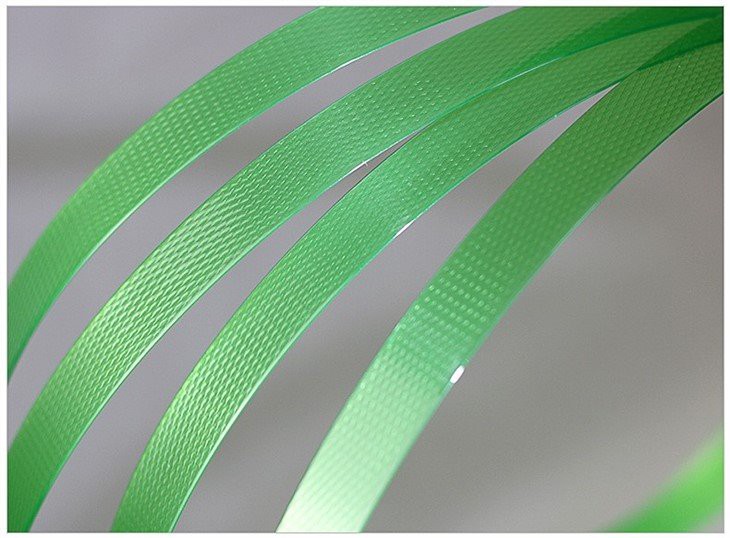
- Loading the Strap Reel: First, you need to load the Strapping PET reel onto the reel holder. Make sure the reel is properly seated and can rotate freely.
- Threading the Strap: Next, you'll need to thread the strap through the dispenser. Start by pulling the end of the strap from the reel and feeding it through the strap feeding mechanism. Follow the guides and rollers inside the dispenser to ensure the strap is properly aligned.
- Positioning the Package: Place the package that you want to strap in the appropriate position. Make sure there's enough space around the package for the dispenser to operate.
- Applying the Strap: Once the package is in place, activate the dispenser. The strap feeding mechanism will start pulling the strap from the reel and feeding it around the package. You can guide the strap around the package manually if needed.
- Tensioning the Strap: After the strap is wrapped around the package, the tensioning unit will engage. It will start tightening the strap around the package, increasing the tension until it reaches the desired level. You can usually adjust the tension level on the dispenser to suit your specific needs.
- Sealing the Strap: Once the strap is tensioned, the sealing unit will seal the ends of the strap together. Depending on the type of sealing method used, this may involve applying heat or friction to bond the strap ends.
- Cutting the Strap: After the strap is sealed, the dispenser will automatically cut the strap, separating it from the reel. This leaves you with a neatly strapped package.
Advantages of Hydraulic Strapping Dispensers
There are several advantages to using a hydraulic strapping dispenser.

- High Tensioning Force: Hydraulic dispensers can generate a high amount of tension, making them suitable for heavy-duty packaging applications. They can securely strap large and heavy packages that may be difficult to strap using manual methods.
- Consistent Tensioning: The hydraulic system ensures that the tension is applied consistently throughout the strapping process. This helps to ensure that all packages are strapped with the same level of tightness, improving the overall quality of the packaging.
- Efficiency: Hydraulic dispensers are generally faster and more efficient than manual strapping tools. They can complete the strapping process in a shorter amount of time, increasing productivity in a packaging operation.
- Versatility: These dispensers can be used with different types of straps, including Strapping PET, steel, and polypropylene. This makes them suitable for a wide range of packaging applications.
Maintenance and Care
To keep your hydraulic strapping dispenser in good working condition, it's important to perform regular maintenance and care.
- Cleaning: Regularly clean the dispenser to remove any dirt, debris, or strap residue. This helps to prevent clogs and ensure smooth operation.
- Lubrication: Lubricate the moving parts of the dispenser as recommended by the manufacturer. This helps to reduce friction and wear, extending the lifespan of the machine.
- Inspection: Periodically inspect the dispenser for any signs of damage or wear. Check the hydraulic hoses, seals, and other components for leaks or cracks. Replace any worn or damaged parts as needed.
- Calibration: If your dispenser has adjustable tension settings, it's important to calibrate them regularly to ensure accurate tensioning. This helps to maintain the quality of the strapping.
Conclusion
So there you have it - a breakdown of how a hydraulic strapping dispenser functions. As a supplier of Strapping Dispensers, I hope this information has been helpful in understanding the ins and outs of this useful packaging tool. If you're in the market for a hydraulic strapping dispenser or have any questions about our products, feel free to reach out. We're here to help you find the right solution for your packaging needs.
References
- Packaging Machinery Manufacturers Institute (PMMI)
- Industry publications on packaging equipment