

Hey there! As a supplier of Strapping Tool Set, I often get asked about how to load strapping into a strapping tool set. It might seem a bit tricky at first, but once you get the hang of it, it's a piece of cake. In this blog, I'll walk you through the whole process step by step.
Understanding Your Strapping Tool Set
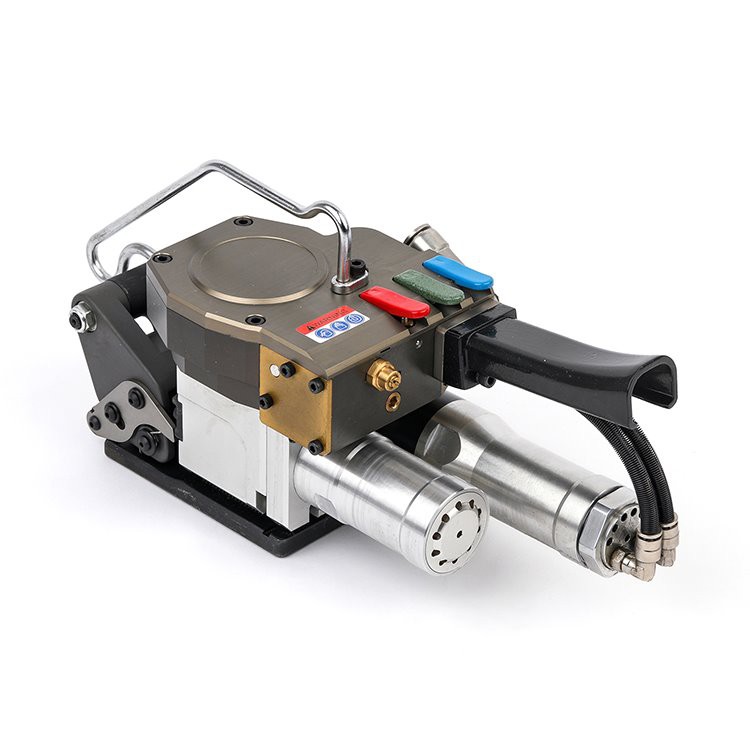
Before we start loading the strapping, it's important to understand what kind of tool set you have. There are different types of strapping tools, like the Pneumatic Plastic Strapping Tool and the Banding Strap Tool. Each type has its own unique features and requirements for loading the strapping.
Pneumatic plastic strapping tools are powered by compressed air. They're great for high - volume strapping jobs because they're fast and efficient. Banding strap tools, on the other hand, are more versatile and can be used for a variety of strapping materials.
Preparing the Strapping
First things first, you need to make sure you have the right type of strapping for your tool set. Most strapping tools are designed to work with either polypropylene (PP) or polyester (PET) strapping. Check the user manual of your tool set to confirm which type is suitable.
Once you've got the right strapping, take a look at the roll. Make sure it's not damaged or tangled. If there are any knots or tangles, carefully untangle them before proceeding. You also want to ensure that the strapping is the correct width and thickness for your tool. Using the wrong size can cause jams and other issues.
Loading the Strapping into the Tool
Now, let's get into the actual loading process. The steps might vary slightly depending on the specific model of your tool set, but the general idea is the same.
Step 1: Open the Tool
Locate the strapping feed path on your tool. This is usually a channel or slot where the strapping will go through. Most tools have a release lever or a latch that you need to open to access the feed path. Flip the lever or unhook the latch to open the tool.
Step 2: Thread the Strapping
Take the end of the strapping roll and insert it into the beginning of the feed path. Make sure it goes in smoothly without any kinks. Some tools have guides or rollers to help you thread the strapping correctly. Follow these guides as you feed the strapping through the tool.
As you're threading, keep an eye on the tensioning and sealing mechanisms. The strapping needs to pass through these parts properly for the tool to work correctly. For example, in a pneumatic plastic strapping tool, the strapping should pass through the tensioning wheels and the sealing area.
Step 3: Close the Tool
Once the strapping is fully threaded through the feed path, close the tool by engaging the release lever or latch. Make sure it's securely closed so that the strapping stays in place during operation.
Step 4: Test the Feed
After closing the tool, give the strapping a gentle tug to see if it feeds smoothly. Pull a short length of strapping out of the tool to make sure there are no jams or blockages. If the strapping doesn't feed properly, open the tool again and check if it's threaded correctly. You might need to adjust the position of the strapping or clean the feed path if there's any debris.
Adjusting the Settings
Now that the strapping is loaded, you might need to adjust some settings on your tool. This includes the tension and the sealing time.
Tension Adjustment
The tension setting determines how tight the strapping will be around your package. If the tension is too low, the strapping won't hold the package securely. If it's too high, it might break the strapping or damage the package. Use the tension adjustment knob or dial on your tool to set the appropriate tension. You can do a test run on a sample package to see if the tension is right.
Sealing Time Adjustment
For tools that seal the strapping, like pneumatic plastic strapping tools, you need to set the sealing time. This is the amount of time the tool will apply heat or pressure to seal the strapping. The sealing time depends on the type and thickness of the strapping. Refer to the user manual for the recommended sealing time settings and adjust the tool accordingly.
Troubleshooting
Even if you follow all the steps correctly, you might encounter some problems. Here are some common issues and how to fix them:
Jammed Strapping
If the strapping gets jammed in the tool, stop using the tool immediately. Open the tool and carefully remove the jammed strapping. Check for any debris or broken pieces of strapping in the feed path and clean them out. Make sure the strapping is threaded correctly before trying again.

Poor Sealing
If the strapping isn't sealing properly, it could be due to incorrect sealing time or pressure settings. Check and adjust these settings according to the type of strapping you're using. Also, make sure the sealing area is clean and free of any residue.
Low Tension
If the strapping isn't holding the package tightly enough, increase the tension setting on your tool. Do a test run on a sample package to see if the tension is sufficient.
Maintenance
To keep your strapping tool set working well, regular maintenance is essential. Clean the tool after each use to remove any dirt, dust, or strapping residue. Check the tensioning wheels, sealing elements, and other moving parts for wear and tear. Replace any damaged parts as soon as possible.
Conclusion
Loading strapping into a strapping tool set isn't as complicated as it might seem. By following these steps and understanding your tool, you can ensure a smooth and efficient strapping process. Whether you're using a pneumatic plastic strapping tool or a banding strap tool, taking the time to load the strapping correctly will save you a lot of headaches in the long run.
If you're in the market for a new strapping tool set or have any questions about loading strapping, don't hesitate to reach out. We're here to help you find the right tool for your needs and provide you with all the support you need. Contact us today to start a conversation about your strapping requirements and let's see how we can work together to make your strapping jobs easier and more efficient.
References
- Manufacturer's user manuals for strapping tool sets
- Industry best practices for strapping tool operation and maintenance