

Hey there! As a supplier of Steel Banding Crimpers, I often get asked about how to adjust the crimping force of these handy tools. So, I thought I'd put together this blog post to share some tips and tricks on the topic.
First things first, let's talk about why adjusting the crimping force is important. When you're using steel banding to secure loads, you want to make sure the crimp is tight enough to hold the banding in place but not so tight that it damages the banding or the load. If the crimp is too loose, the banding may come loose during transit, which can be dangerous. On the other hand, if the crimp is too tight, it can cause the banding to break or damage the load. So, finding the right balance is crucial.
Now, let's get into the nitty-gritty of how to adjust the crimping force of steel banding crimpers. The process can vary depending on the type of crimper you're using, but I'll cover some general steps that should apply to most models.
Step 1: Check the Manufacturer's Instructions
Before you start adjusting the crimping force, it's always a good idea to check the manufacturer's instructions. The instructions will provide specific information on how to adjust the crimper for your particular model. They may also include important safety warnings and guidelines.
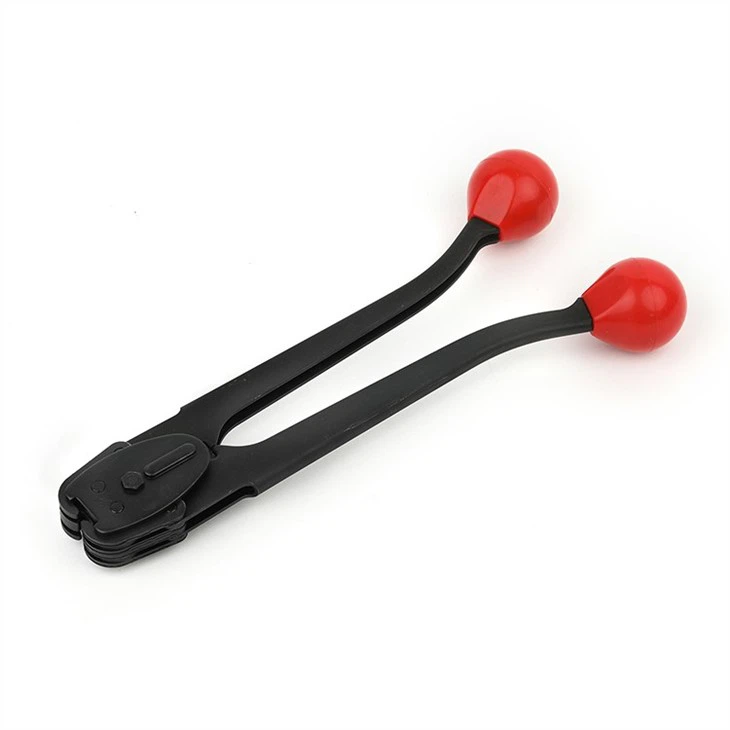

Step 2: Determine the Correct Crimping Force
The correct crimping force will depend on several factors, including the thickness and type of steel banding you're using, the size of the load, and the application. In general, you want to aim for a crimp that is tight enough to hold the banding in place but not so tight that it causes damage.
If you're not sure what the correct crimping force is for your application, you can consult the manufacturer's recommendations or do some testing on a sample load. Start with a lower crimping force and gradually increase it until you find the right balance.
Step 3: Adjust the Crimping Force
Once you've determined the correct crimping force, it's time to adjust the crimper. Most steel banding crimpers have an adjustment mechanism that allows you to increase or decrease the crimping force. This mechanism may be a screw, a knob, or a lever.
To adjust the crimping force, follow these steps:
- Locate the adjustment mechanism: Refer to the manufacturer's instructions to find the adjustment mechanism on your crimper. It's usually located near the head of the crimper.
- Make small adjustments: Use a screwdriver, wrench, or other appropriate tool to make small adjustments to the adjustment mechanism. Turn the screw or knob clockwise to increase the crimping force and counterclockwise to decrease it.
- Test the crimp: After making an adjustment, test the crimp on a sample of steel banding. Check the tightness of the crimp and make sure it meets your requirements. If the crimp is too loose or too tight, make another adjustment and test again.
- Repeat the process: Keep making small adjustments and testing the crimp until you achieve the desired crimping force. It may take a few tries to get it just right.
Step 4: Check the Crimp Regularly
Once you've adjusted the crimping force, it's important to check the crimp regularly to make sure it remains consistent. Over time, the crimping force may change due to wear and tear on the crimper or other factors. By checking the crimp regularly, you can catch any issues early and make adjustments as needed.
Tips for Adjusting the Crimping Force
Here are some additional tips to help you adjust the crimping force of your steel banding crimpers:
- Use the Right Tool: Make sure you're using the right tool for the job. Different types of steel banding crimpers are designed for different thicknesses and types of steel banding. Using the wrong tool can result in a poor crimp or damage to the banding.
- Keep the Crimper Clean and Lubricated: A clean and well-lubricated crimper will perform better and last longer. Make sure to clean the crimper regularly and lubricate it according to the manufacturer's instructions.
- Replace Worn Parts: Over time, the parts of the crimper may wear out. If you notice any signs of wear or damage, such as loose or broken parts, replace them immediately. Using a crimper with worn parts can result in a poor crimp or damage to the banding.
- Get Training: If you're new to using steel banding crimpers, it's a good idea to get some training. Many manufacturers offer training programs or resources to help you learn how to use their products safely and effectively.
Conclusion
Adjusting the crimping force of steel banding crimpers is an important part of using these tools effectively. By following the steps outlined in this blog post and using the tips and tricks I've shared, you can ensure that your crimps are tight enough to hold the banding in place but not so tight that they cause damage.
If you're in the market for steel banding crimpers or other strapping tools, be sure to check out our Steel Banding Crimpers and Steel Strapping Crimper products. We also offer a CJ-25A Industrial Steel Strapping Cutter that is designed to work with our crimpers.
If you have any questions or need more information about adjusting the crimping force of steel banding crimpers, please don't hesitate to contact us. We're here to help you find the right solutions for your strapping needs.
References
- Manufacturer's instructions for steel banding crimpers
- Industry standards and best practices for steel banding
- Personal experience and expertise as a supplier of steel banding crimpers