

Do packing accessories have different thicknesses? You bet they do! As a packing accessories supplier, I've seen it all when it comes to the variety of thicknesses in these essential items. In this blog, I'll take you through the ins and outs of packing accessory thickness, why it matters, and how it can impact your packing operations.
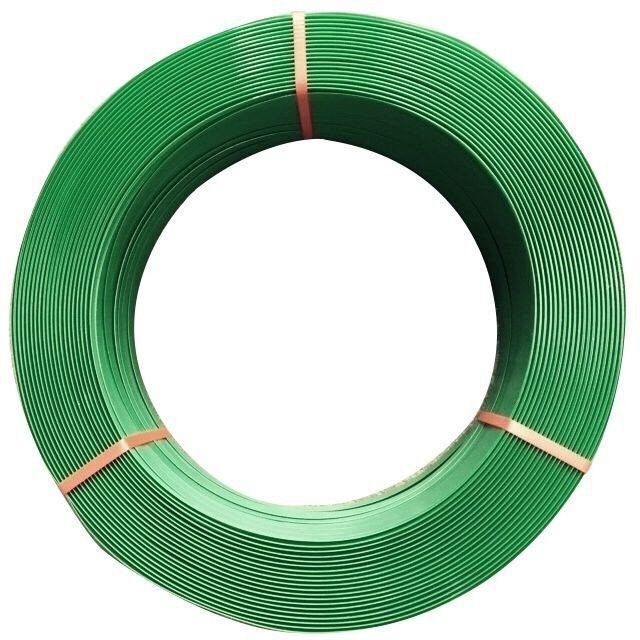
Let's start with the basics. Packing accessories come in a wide range of forms, from strapping materials to cushioning products. Each type of accessory can have different thicknesses, and these variations are designed to meet specific needs. For example, strapping materials, such as Strapping PET, are available in various thicknesses. Thicker strapping is generally stronger and more suitable for heavy-duty applications. If you're packing large, heavy items like industrial machinery or construction materials, you'll want a thicker strapping to ensure that your packages stay secure during transit. On the other hand, thinner strapping can be used for lighter items, like small boxes or bundles of documents. It's more flexible and easier to handle, making it a great choice for everyday packing tasks.

But it's not just about the strength. The thickness of packing accessories can also affect other aspects of the packing process. Take cushioning materials, for instance. Foam sheets or bubble wrap with different thicknesses offer varying levels of protection. A thicker foam or bubble wrap can provide more shock absorption, which is crucial when shipping fragile items. If you're sending delicate glassware or electronics, a thicker cushioning layer will help prevent damage from impacts during handling and transportation. Conversely, a thinner cushioning material might be sufficient for less fragile items, saving you on costs and reducing the overall bulk of your packages.
Now, let's talk about strapping dispensers, like the ones you can find at Strapping Dispensers. These tools are designed to work with different thicknesses of strapping. A dispenser that's compatible with a wide range of strapping thicknesses gives you more flexibility in your packing operations. You can switch between thin and thick strapping depending on the job at hand without having to invest in multiple dispensers. This not only saves you money but also streamlines your packing process.
When it comes to choosing the right thickness for your packing accessories, there are a few factors to consider. First, think about the weight and fragility of the items you're packing. As I mentioned earlier, heavier and more fragile items typically require thicker accessories for better protection. Second, consider the shipping conditions. If your packages are going to be exposed to rough handling or long-distance transportation, you might want to opt for thicker materials to ensure they arrive in one piece. Third, take into account your budget. Thicker packing accessories often come at a higher cost, so you'll need to find a balance between quality and affordability.
Another important aspect is the compatibility of the packing accessories with your existing packing equipment. For example, if you have a strapping machine, you need to make sure that the strapping thickness you choose is compatible with the machine's specifications. Using the wrong thickness can lead to jams, breakdowns, and inefficient packing. So, it's always a good idea to check the equipment manufacturer's guidelines before making a decision.
In addition to the practical considerations, the thickness of packing accessories can also have an environmental impact. Thicker materials generally use more resources and may take longer to decompose. As a responsible supplier, I'm always looking for ways to offer more sustainable options. There are now many eco-friendly packing accessories available in different thicknesses. These materials are made from recycled or biodegradable materials, which can help reduce your carbon footprint without compromising on quality.
Let's dive a bit deeper into the different types of packing accessories and their thickness variations. Strapping materials, as I've already mentioned, are a key component in many packing operations. In addition to PET strapping, there's also steel strapping, which is even stronger and typically used for extremely heavy loads. Steel strapping comes in different gauges (a measure of thickness), with thicker gauges providing more strength. However, steel strapping is also heavier and more expensive than other types of strapping, so it's usually reserved for specialized applications.
Cushioning materials also offer a wide range of thickness options. In addition to foam and bubble wrap, there are also paper-based cushioning products, such as corrugated paper or shredded paper. These materials can be used in different thicknesses to provide varying levels of protection. For example, a thick layer of corrugated paper can be used to create a sturdy cushion around a large item, while shredded paper can be used as a filler for smaller spaces.
Sealing materials, like tapes and adhesives, also have thickness variations. Thicker tapes are generally stronger and more durable, making them suitable for sealing heavy or large packages. They can withstand more stress and are less likely to come loose during transit. Thinner tapes, on the other hand, are more flexible and easier to apply, making them a good choice for light-duty sealing tasks.
As a packing accessories supplier, I understand the importance of providing my customers with the right products for their needs. That's why I offer a wide range of packing accessories in different thicknesses. Whether you're a small business owner looking for affordable packing solutions or a large corporation in need of heavy-duty materials, I've got you covered.
If you're in the market for packing accessories and want to learn more about the different thickness options available, I'd love to hear from you. I can provide you with detailed information, samples, and pricing to help you make an informed decision. Whether you need strapping materials, cushioning products, or sealing solutions, I can work with you to find the perfect fit for your packing operations. So, don't hesitate to reach out and start a conversation about your packing needs. Let's work together to find the best packing accessories for your business.
References
- Packaging Industry Standards and Guidelines
- Research on Sustainable Packaging Materials
- Manufacturer Specifications for Packing Equipment