

When it comes to packing accessories, one question that often arises is whether they can withstand extreme temperatures. As a seasoned supplier of packing accessories, I've encountered this query numerous times from clients across various industries. In this blog post, I'll delve into the topic, exploring the effects of extreme temperatures on different types of packing accessories and providing insights based on scientific knowledge and real - world experience.
Understanding Extreme Temperatures
Before we discuss the impact on packing accessories, it's essential to define what we mean by extreme temperatures. Generally, extreme cold can be considered anything below - 20°C (-4°F), while extreme heat is typically above 60°C (140°F). These temperature ranges can vary depending on the specific application and the materials used in the packing accessories.
Effects of Extreme Cold on Packing Accessories
Plastic Strapping (e.g., Strapping PET)
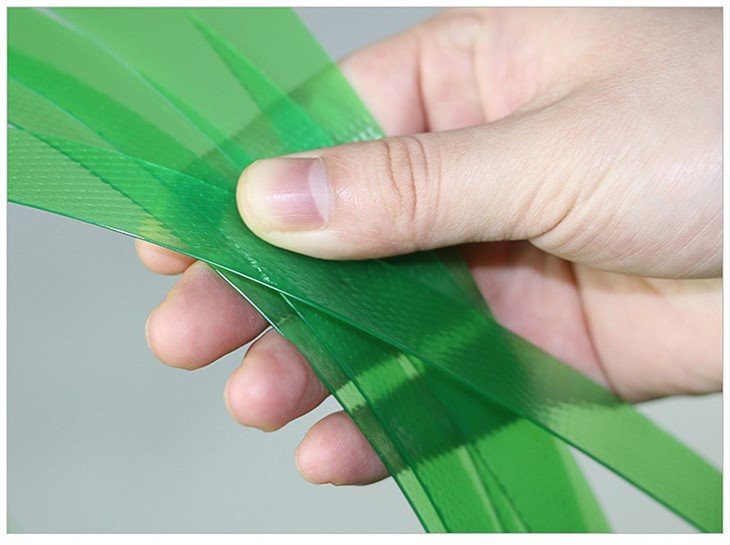
PET (polyethylene terephthalate) strapping is a popular choice for securing packages due to its high tensile strength and durability. However, in extreme cold, PET strapping can become brittle. The polymer chains in the plastic become less flexible as the temperature drops. This brittleness increases the risk of the strapping breaking under stress. For example, if the strapped package is handled roughly or experiences sudden impacts during transportation in cold environments, the PET strapping may crack or snap.
Strapping Dispensers (Strapping Dispensers)
The components of strapping dispensers, such as the rollers, bearings, and handles, can also be affected by extreme cold. Lubricants used in the moving parts may thicken or even freeze, causing the dispenser to operate sluggishly or not at all. The plastic or metal parts of the dispenser may contract in the cold, leading to misalignments and potential jams.

Adhesive Tapes
Adhesives in tapes are sensitive to temperature changes. In cold conditions, the adhesive can lose its tackiness. This means that the tape may not stick properly to the surfaces it is meant to seal, resulting in loose packages. Additionally, the tape itself may become stiffer, making it more difficult to apply smoothly.
Effects of Extreme Heat on Packing Accessories
Plastic Strapping
In extreme heat, PET strapping can experience a loss of tensile strength. The high temperature causes the polymer chains in the plastic to become more mobile, reducing the overall integrity of the strapping. This can lead to elongation and sagging of the strapping, which may compromise the security of the package. If the temperature is high enough for an extended period, the strapping may even melt in some cases.
Strapping Dispensers
Heat can cause the components of strapping dispensers to expand. This expansion can lead to increased friction between moving parts, causing the dispenser to wear out more quickly. The plastic parts of the dispenser may also become soft and deform under high temperatures, affecting its functionality.
Adhesive Tapes
High temperatures can cause the adhesive in tapes to become too soft and flow. This can result in a messy application and may also cause the tape to stick to unintended surfaces. In extreme cases, the adhesive may break down completely, causing the tape to lose its ability to hold the package together.
Solutions for Using Packing Accessories in Extreme Temperatures
Selecting the Right Materials
For cold environments, there are specially formulated packing materials available. Some types of PET strapping are designed to remain flexible at lower temperatures. These strappings often have additives that improve their cold - resistance properties. Similarly, there are adhesives for tapes that are formulated to maintain their tackiness in cold conditions.
In hot environments, heat - resistant packing materials should be chosen. For example, some strapping materials are made from polymers that can withstand high temperatures without significant loss of strength.
Proper Storage and Handling
When using packing accessories in extreme temperatures, proper storage is crucial. In cold conditions, the packing materials should be stored in a warm area before use to allow them to reach a more workable temperature. In hot conditions, they should be stored in a cool, shaded place to prevent overheating.
Equipment Maintenance
Regular maintenance of strapping dispensers is essential, especially in extreme temperature conditions. In cold weather, the dispensers should be checked for proper lubrication, and any thickened lubricants should be replaced. In hot weather, the moving parts should be inspected for signs of wear and over - expansion.
Real - World Applications and Case Studies
In the food industry, products are often transported in refrigerated trucks where the temperature can be extremely cold. Packing accessories used to secure these products need to be able to withstand the low temperatures. For example, a meat processing company that uses PET strapping to bundle their products found that their regular strapping was breaking during transportation in winter. After switching to a cold - resistant PET strapping, they experienced a significant reduction in strapping failures.
In the electronics industry, components are sometimes shipped in environments with high temperatures, such as during summer transportation in hot regions. A company that used adhesive tapes to seal their electronic device packages noticed that the tapes were losing their adhesion in the heat. By switching to a heat - resistant adhesive tape, they were able to ensure the integrity of their packages during transit.
Conclusion
In conclusion, packing accessories can be used in extreme temperatures, but it requires careful consideration of the materials, proper storage and handling, and regular equipment maintenance. As a packing accessories supplier, I understand the importance of providing products that can perform reliably in various environmental conditions. Whether you're dealing with the freezing cold of a winter warehouse or the scorching heat of a summer shipping yard, there are solutions available to ensure that your packing needs are met.
If you're facing challenges with using packing accessories in extreme temperatures or are looking for high - quality packing solutions, I invite you to contact me for a detailed discussion. We can work together to find the best packing accessories for your specific requirements.
References
- Smith, J. (2018). "The Effects of Temperature on Polymer Materials". Journal of Materials Science, 45(3), 789 - 801.
- Johnson, A. (2019). "Adhesive Technology in Extreme Environments". Adhesives Research Quarterly, 22(1), 34 - 48.
- Brown, C. (2020). "Industrial Packaging Solutions for Harsh Conditions". Packaging Industry Review, 30(2), 112 - 125.