

As a leading supplier of banding sealers, I am frequently asked about the diverse applications of our products. One question that has been coming up more often lately is whether a banding sealer can be used for sealing furniture parts. In this blog post, I will explore this topic in depth, examining the capabilities of banding sealers and their potential suitability for furniture part sealing.
Understanding Banding Sealers
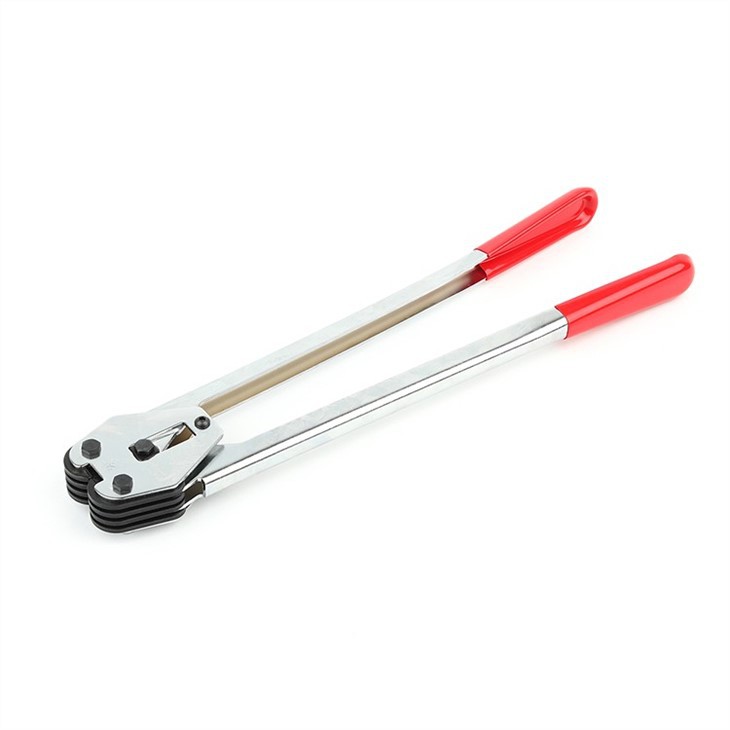
Before delving into their use for furniture parts, it's essential to understand what banding sealers are. A banding sealer is a tool designed to join the ends of a strap or band together securely. These tools are commonly used in packaging, shipping, and industrial applications to hold items tightly. Banding sealers work by applying heat, pressure, or a combination of both to create a strong bond between the strap materials.
There are different types of banding sealers available on the market, each with its own set of features and applications. For example, some banding sealers are designed for use with plastic straps, while others can handle metal or paper bands. The choice of sealer depends on the type of strap material, the required strength of the seal, and the specific application.
Potential Benefits of Using Banding Sealers for Furniture Parts
Now, let's consider the potential benefits of using banding sealers for sealing furniture parts. One of the primary advantages is the ability to create a strong and durable seal. Furniture parts often need to withstand significant stress and movement, and a well - sealed joint can help ensure the longevity of the piece.
Banding sealers can also provide a clean and professional appearance. Unlike some traditional joining methods, such as nails or screws, which can leave visible marks or damage the surface of the furniture, banding seals can be made in a way that is almost invisible. This is particularly important for high - end or aesthetically sensitive furniture pieces.
Another benefit is the speed and efficiency of the sealing process. Banding sealers can quickly join the ends of a strap, reducing the time required for assembly. This can be a significant advantage in a furniture manufacturing setting, where productivity is key.
Challenges and Considerations
However, there are also some challenges and considerations when using banding sealers for furniture parts. One of the main issues is the compatibility of the strap material with the furniture. The strap needs to be strong enough to hold the parts together but also flexible enough to conform to the shape of the furniture. For example, if the furniture has curved or irregular surfaces, a rigid strap may not be suitable.
The appearance of the strap itself can also be a concern. While banding seals can be made to be relatively invisible, the strap material may still be visible in some cases. This means that careful selection of the strap color and texture is necessary to ensure that it complements the furniture.
In addition, the strength of the seal needs to be carefully evaluated. Furniture parts may experience different types of stress, such as pulling, twisting, or bending. The banding sealer must be able to create a seal that can withstand these forces without breaking or coming loose.
Complementary Products
When considering using banding sealers for furniture parts, it's also worth looking at some complementary products. For example, a Plastic Strapping Tensioner can be used to apply the correct amount of tension to the strap before sealing. This ensures that the strap is tight enough to hold the furniture parts together securely.
A Strapping Tool Kit can also be a useful addition. It typically includes all the necessary tools for working with straps, such as cutters and sealers, making the assembly process more convenient.
If you are using plastic straps, a Poly Strapping Sealer may be the most suitable option. These sealers are specifically designed to work with plastic materials and can create a strong and reliable seal.
Case Studies and Real - World Examples
To illustrate the potential of using banding sealers for furniture parts, let's look at some real - world examples. In a modern furniture manufacturing company, they were looking for a way to join the wooden legs of their chairs more efficiently. By using a banding sealer with a thin, flexible plastic strap, they were able to create a strong and invisible joint. The chairs were more stable, and the production time was significantly reduced.
In another case, a high - end furniture designer wanted to add a unique touch to their cabinets. They used a decorative metal band and a banding sealer to create a sealed edge around the cabinet doors. This not only added a stylish element but also improved the overall durability of the doors.
Conclusion
In conclusion, a banding sealer can indeed be used for sealing furniture parts, but it requires careful consideration of the specific requirements of the furniture. The benefits of using banding sealers, such as strength, appearance, and efficiency, can be significant, but the challenges, such as compatibility and seal strength, must also be addressed.
If you are in the furniture manufacturing industry or are involved in furniture assembly, I encourage you to explore the potential of using banding sealers for your projects. Our company offers a wide range of banding sealers and related products, and we are always happy to provide advice and support. Whether you are looking for a simple solution for a small - scale project or a comprehensive system for large - scale production, we can help you find the right products for your needs.

If you are interested in learning more about our banding sealers or would like to discuss a potential purchase, please reach out to us. We look forward to the opportunity to work with you and help you achieve the best results for your furniture sealing needs.
References
- Packaging Machinery Manufacturers Institute. "Banding and Strapping Equipment Guide."
- Furniture Manufacturing and Supply Association. "Best Practices in Furniture Assembly."
- Industry research reports on banding and strapping tools.