

Are there any limitations to the size of the object that a pneumatic tensioner can tension?
As a supplier of pneumatic tensioners, I often encounter inquiries from customers regarding the capabilities and limitations of our products. One of the most common questions is whether there are any limitations to the size of the object that a pneumatic tensioner can tension. In this blog post, I will delve into this topic, exploring the factors that influence the size limitations of pneumatic tensioners and providing insights based on our experience in the industry.
Understanding Pneumatic Tensioners
Before we discuss the size limitations, it's important to understand what pneumatic tensioners are and how they work. Pneumatic tensioners are tools used to apply tension to straps, cords, or cables in various industries, such as packaging, construction, and transportation. These tools utilize compressed air to generate the force needed to tighten the strapping material around an object securely.
The key components of a pneumatic tensioner include an air motor, a tensioning mechanism, and a control system. The air motor converts the energy from compressed air into mechanical energy, which drives the tensioning mechanism. The tensioning mechanism, typically consisting of gears, pulleys, or chains, is responsible for gripping and pulling the strapping material to achieve the desired tension. The control system allows the operator to adjust the tension level and control the operation of the tool.
Factors Affecting the Size Limitations
Several factors influence the size limitations of pneumatic tensioners. These factors can be broadly categorized into three main areas: the design and specifications of the tensioner, the properties of the strapping material, and the characteristics of the object being tensioned.
Design and Specifications of the Tensioner
The design and specifications of the pneumatic tensioner play a crucial role in determining its size limitations. Some of the key design features that affect the size of the object that can be tensioned include:
- Tensioning Capacity: The tensioning capacity of a pneumatic tensioner refers to the maximum amount of tension that the tool can apply to the strapping material. This capacity is typically measured in pounds or kilograms and is determined by the power of the air motor and the strength of the tensioning mechanism. A higher tensioning capacity allows the tensioner to handle larger and heavier objects.
- Strap Width and Thickness: The width and thickness of the strapping material that the tensioner can accommodate also affect its size limitations. Pneumatic tensioners are designed to work with specific strap widths and thicknesses, and using a strap that is too wide or too thick can cause the tensioner to malfunction or fail to achieve the desired tension.
- Head Size and Clearance: The head size of the pneumatic tensioner, which is the part of the tool that comes into contact with the strapping material, can also limit the size of the object that can be tensioned. A larger head size may require more clearance around the object, which can be a problem when tensioning small or irregularly shaped objects.
Properties of the Strapping Material
The properties of the strapping material, such as its strength, flexibility, and elasticity, also have a significant impact on the size limitations of pneumatic tensioners. Some of the key properties to consider include:
- Tensile Strength: The tensile strength of the strapping material refers to the maximum amount of tension that the material can withstand before breaking. Using a strapping material with a higher tensile strength allows the tensioner to apply more tension to the object, which can be beneficial when tensioning larger or heavier objects.
- Flexibility and Elasticity: The flexibility and elasticity of the strapping material affect its ability to conform to the shape of the object being tensioned. A more flexible and elastic strapping material can be wrapped around irregularly shaped objects more easily, while a stiffer material may require more force to achieve the desired tension.
Characteristics of the Object Being Tensioned
The characteristics of the object being tensioned, such as its size, shape, weight, and surface texture, also influence the size limitations of pneumatic tensioners. Some of the key characteristics to consider include:
- Size and Shape: The size and shape of the object being tensioned can affect the ease of use and the effectiveness of the pneumatic tensioner. Larger and more irregularly shaped objects may require more time and effort to tension, and may also require a tensioner with a larger head size or a higher tensioning capacity.
- Weight: The weight of the object being tensioned can also affect the performance of the pneumatic tensioner. Heavier objects may require a tensioner with a higher tensioning capacity to achieve the desired tension, and may also put more strain on the tool and the strapping material.
- Surface Texture: The surface texture of the object being tensioned can affect the grip of the strapping material and the tensioner. A smooth or slippery surface may require a strapping material with a higher coefficient of friction or a tensioner with a more aggressive gripping mechanism to ensure a secure hold.
Examples of Size Limitations
To illustrate the size limitations of pneumatic tensioners, let's consider some examples of objects that can and cannot be tensioned using these tools.
Objects That Can Be Tensioned
- Pallets and Crates: Pneumatic tensioners are commonly used to secure pallets and crates for shipping and storage. These objects typically have a regular shape and a relatively flat surface, which makes them easy to tension using a pneumatic tensioner. Depending on the size and weight of the pallet or crate, a pneumatic tensioner with a tensioning capacity of 500 to 10,000 pounds may be used.
- Pipes and Tubes: Pneumatic tensioners can also be used to secure pipes and tubes for transportation and installation. These objects may have a round or cylindrical shape, which can be challenging to tension using other types of tools. A pneumatic tensioner with a flexible strapping material and a suitable gripping mechanism can be used to apply tension around the circumference of the pipe or tube.
- Bundles of Materials: Pneumatic tensioners are often used to bundle together materials such as lumber, steel bars, or cables. These bundles can vary in size and shape, but a pneumatic tensioner with a adjustable tensioning capacity and a wide range of strap widths can be used to secure them effectively.
Objects That May Be Difficult to Tension
- Large and Irregularly Shaped Objects: Objects that are very large or have an irregular shape may be difficult to tension using a pneumatic tensioner. These objects may require a custom-designed tensioning solution or a combination of different tools to achieve the desired tension.
- Fragile or Delicate Objects: Objects that are fragile or delicate may require special care when tensioning to avoid damage. A pneumatic tensioner with a gentle gripping mechanism and a low tensioning capacity may be used to secure these objects without causing any harm.
- Objects with Limited Access: Objects that have limited access or are located in hard-to-reach areas may be challenging to tension using a pneumatic tensioner. In these cases, a portable or flexible tensioning tool may be required to reach the object and apply the necessary tension.
Overcoming Size Limitations
While there are limitations to the size of the object that a pneumatic tensioner can tension, there are several ways to overcome these limitations. Some of the strategies that can be used include:

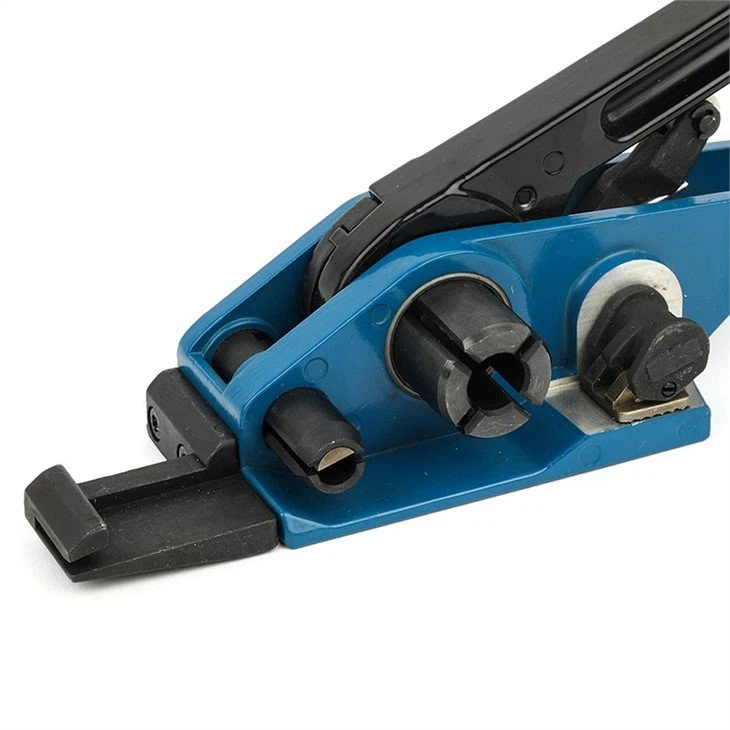
- Selecting the Right Tensioner: Choosing a pneumatic tensioner with the appropriate tensioning capacity, strap width, and head size for the object being tensioned is essential. By selecting the right tool for the job, you can ensure that the tensioner can handle the size and weight of the object and achieve the desired tension.
- Using the Right Strapping Material: Selecting a strapping material with the appropriate strength, flexibility, and elasticity for the object being tensioned is also important. A high-quality strapping material can help to overcome some of the size limitations of the tensioner and ensure a secure hold.
- Modifying the Tensioning Process: In some cases, modifying the tensioning process can help to overcome size limitations. For example, using multiple straps or a different strapping pattern can distribute the tension more evenly around the object, allowing the tensioner to handle larger or heavier loads.
- Using Customized Solutions: For objects that are very large or have an irregular shape, a customized tensioning solution may be required. This may involve designing a custom tensioning tool or using a combination of different tools to achieve the desired tension.
Conclusion
In conclusion, while there are limitations to the size of the object that a pneumatic tensioner can tension, these limitations can be overcome by selecting the right tensioner, using the right strapping material, modifying the tensioning process, or using customized solutions. As a supplier of pneumatic tensioners, we have the expertise and experience to help you choose the right tool for your specific application and provide you with the support and guidance you need to ensure a successful tensioning operation.
If you have any questions or need further information about our pneumatic tensioners or other Cord Strap Tensioner, Cord Strapping Tensioner, Manual Strapping Tensioner, please don't hesitate to contact us. We look forward to working with you to meet your tensioning needs.
References
- "Pneumatic Strapping Tools: A Comprehensive Guide." Packaging World, 2023.
- "Strapping Materials: Properties and Applications." Industrial Packaging, 2023.
- "Tensioning Techniques for Different Objects." Material Handling and Logistics, 2023.